



Illinois Public Adjusters
Licensed claim representation for property owners statewide
When a carrier estimate misses damage or stalls a decision, an Illinois-licensed public adjuster documents the loss, tests the policy language, and negotiates on your side. We handle commercial, farm, and residential property claims across the state.
Three ways an Illinois property claim goes sideways
Most policyholders do not call because a claim was denied outright. They call because the number on the page does not match the damage, or because weeks have passed with no answer.
Underpaid
The scope misses code-required repairs, matching siding, or the full cost to rebuild at Illinois labor rates. A line-item review shows what the estimate left out.
Stalled
Weeks pass between inspection and decision, or the adjuster stops returning calls. We put the claim back on a documented schedule and press for a written position.
Denied
A denial letter often rests on causation or a policy exclusion rather than the facts. We read the wording against the loss record and respond in writing.
Representation you can verify
Illinois licenses public adjusters at the state level. Taylor Bezek leads the Illinois practice, and the license number below can be checked with the state before you sign anything.

Illinois public adjuster license
Licensed as an Illinois public adjuster under #17007117, within Article XLV of the Insurance Code.
Verify the license
Check the record through the Illinois Department of Insurance agent lookup, which routes to the NAIC SBS search.
First-party property claims
Illinois public adjuster licenses cover first-party claims, the kind an owner brings against their own property policy.
A written contract, before work
Illinois requires a written Public Adjuster Contract with the license number, the services, the full fee, and the exact percentage if the fee is a share of the settlement.
Ready to put the policy to work?
Get a Free Claim ReviewWhat Illinois weather does to property
The state sees hail, straight-line wind, tornadoes, lake-effect snow, ice dams, and combined-sewer backups. Each one produces a different coverage argument.
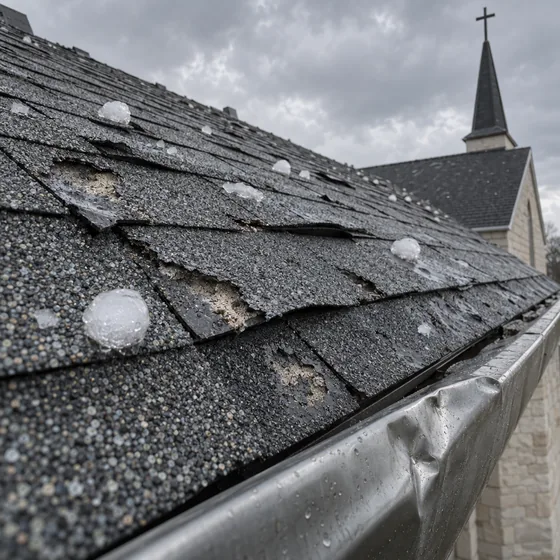

Dented shingles, gutters, and soft-metal vents. Hail claims turn on inspection evidence and matching, not just the age of the roof.
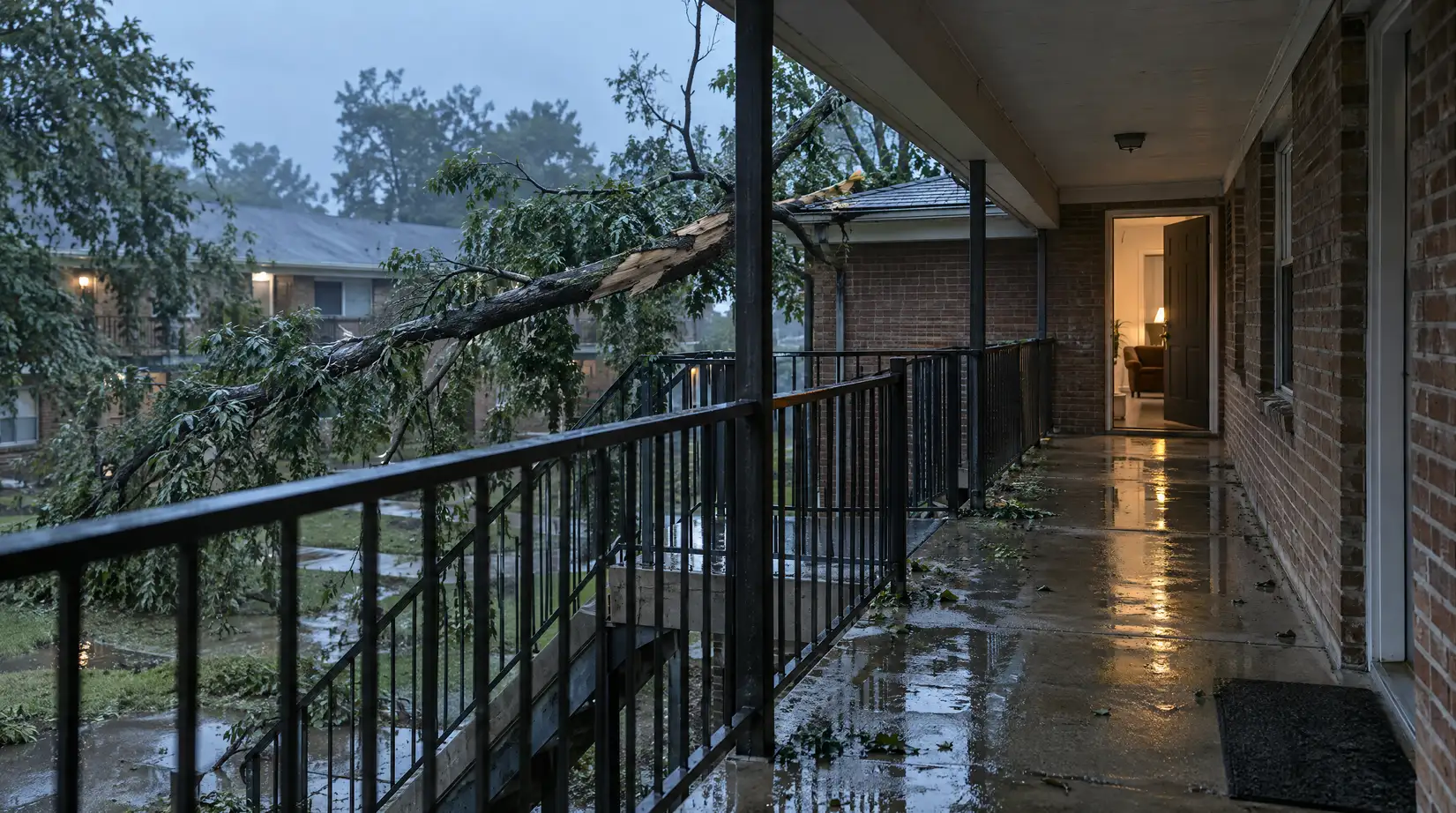

A derecho is a long-lived straight-line wind storm that can strip roofing and drop trees. Wind versus water causation decides the deductible.
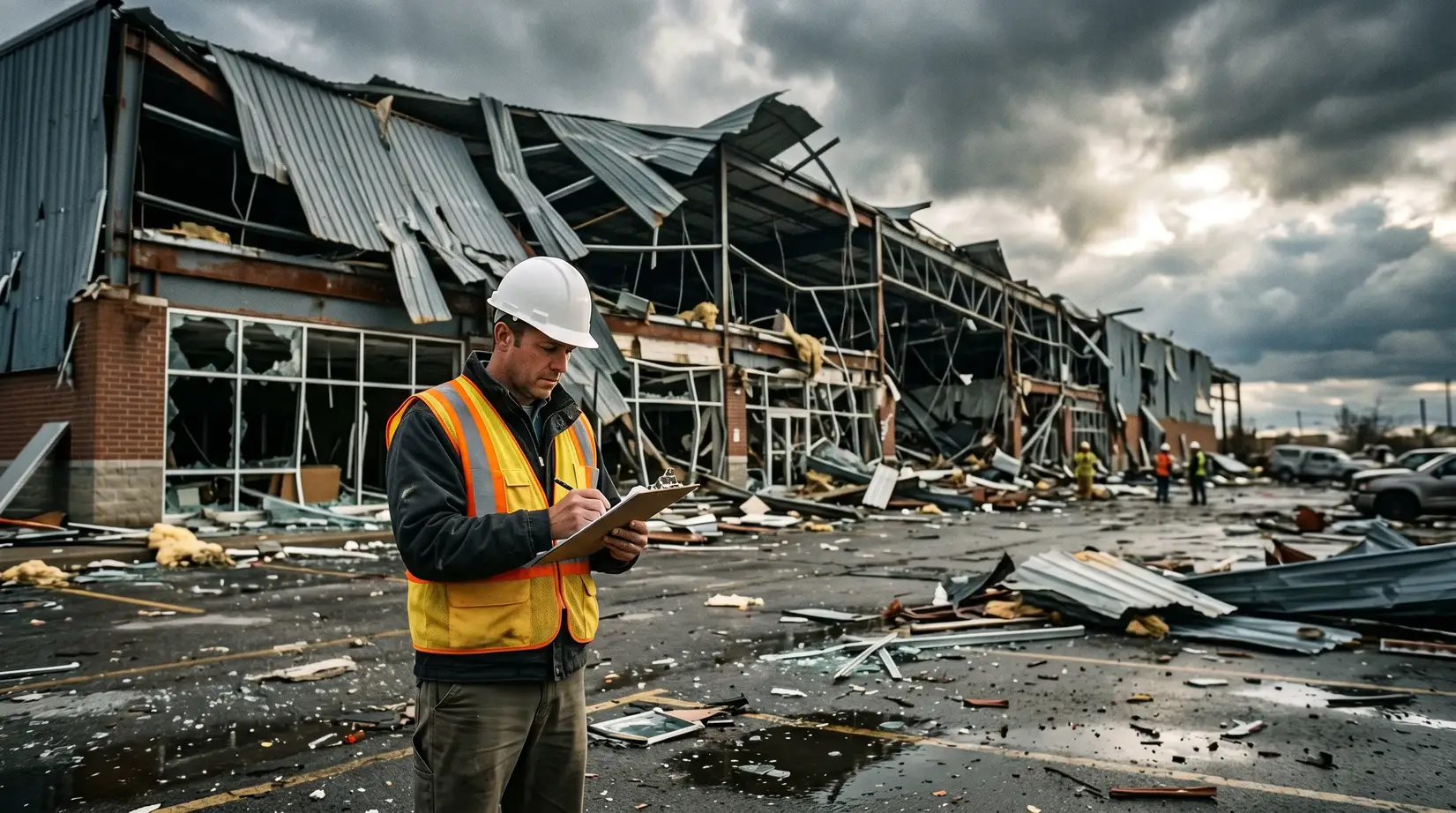
Structural loss, debris removal, and outbuilding damage. Document the path and the sequence before cleanup changes the site.
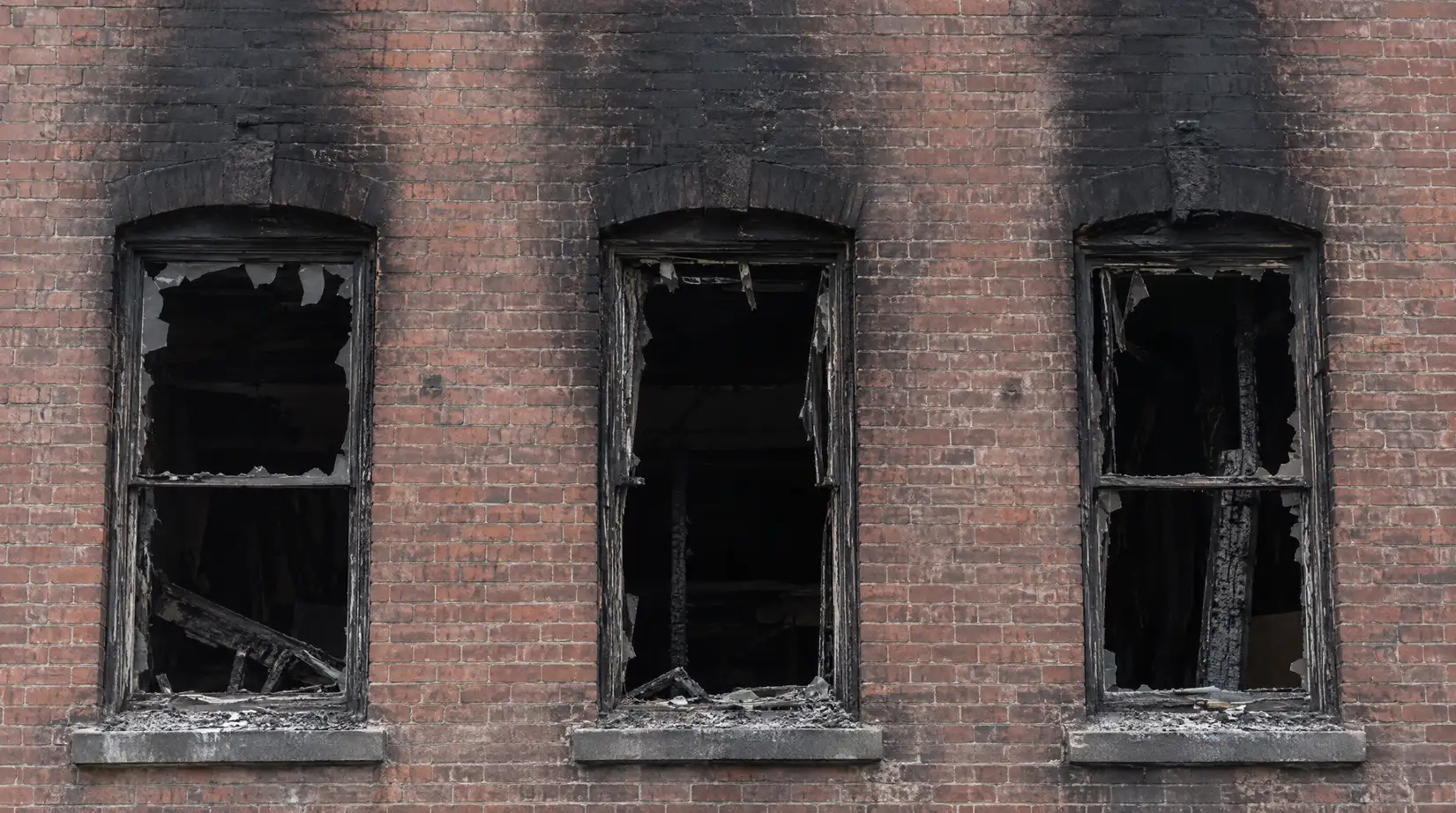

Smoke travels through HVAC and wall cavities. The scope has to include cleaning, sealing, and contents, not just the burned room.
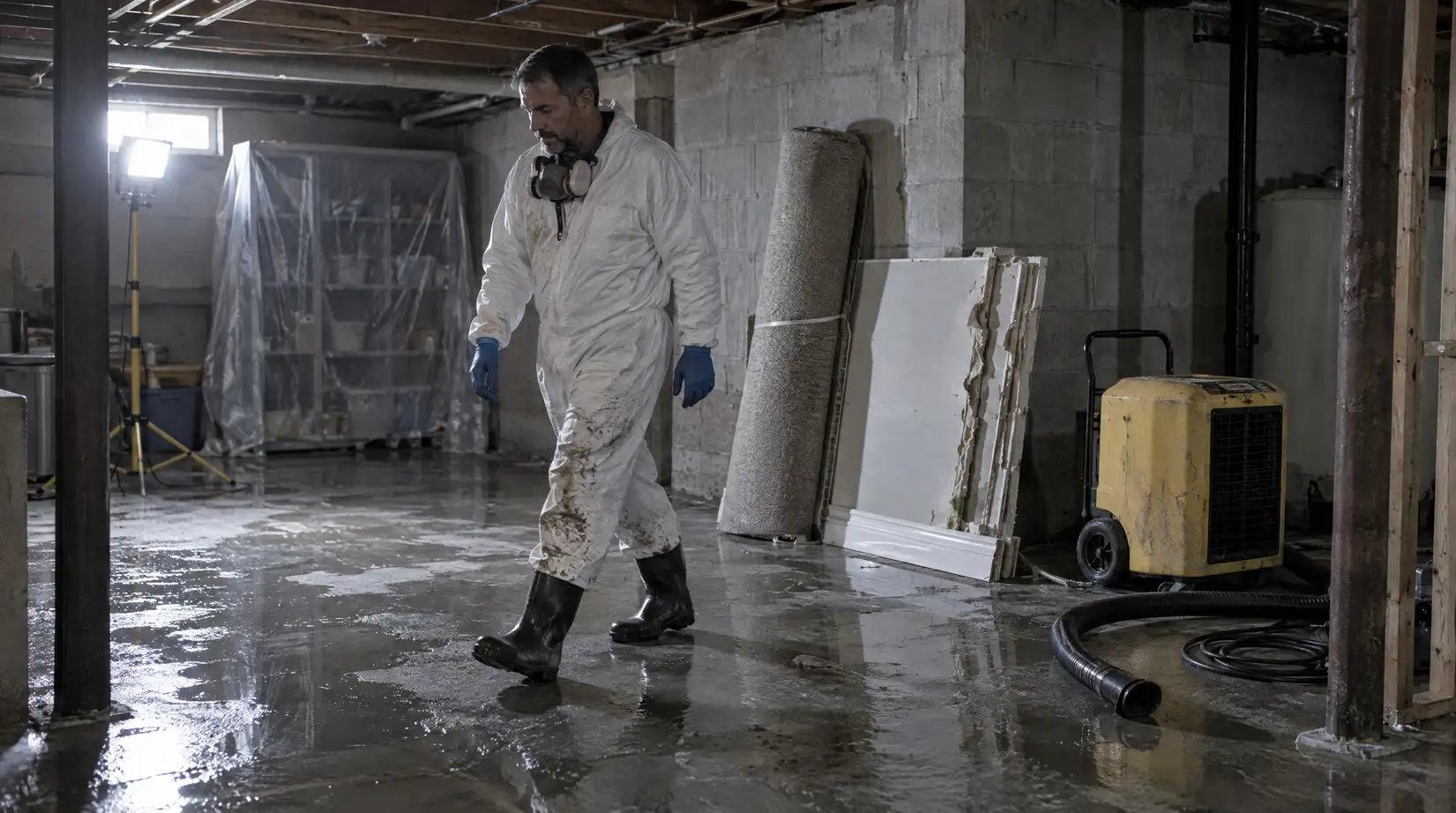

Combined-sewer backups are a separate coverage grant with their own limit. Category 3 water requires tear-out, not drying in place.


A denial often rests on causation or an exclusion. We compare the policy language to the loss record and respond in writing.
Not sure which peril your carrier is pricing?
Get a Free Claim ReviewIllinois property owners, county by county
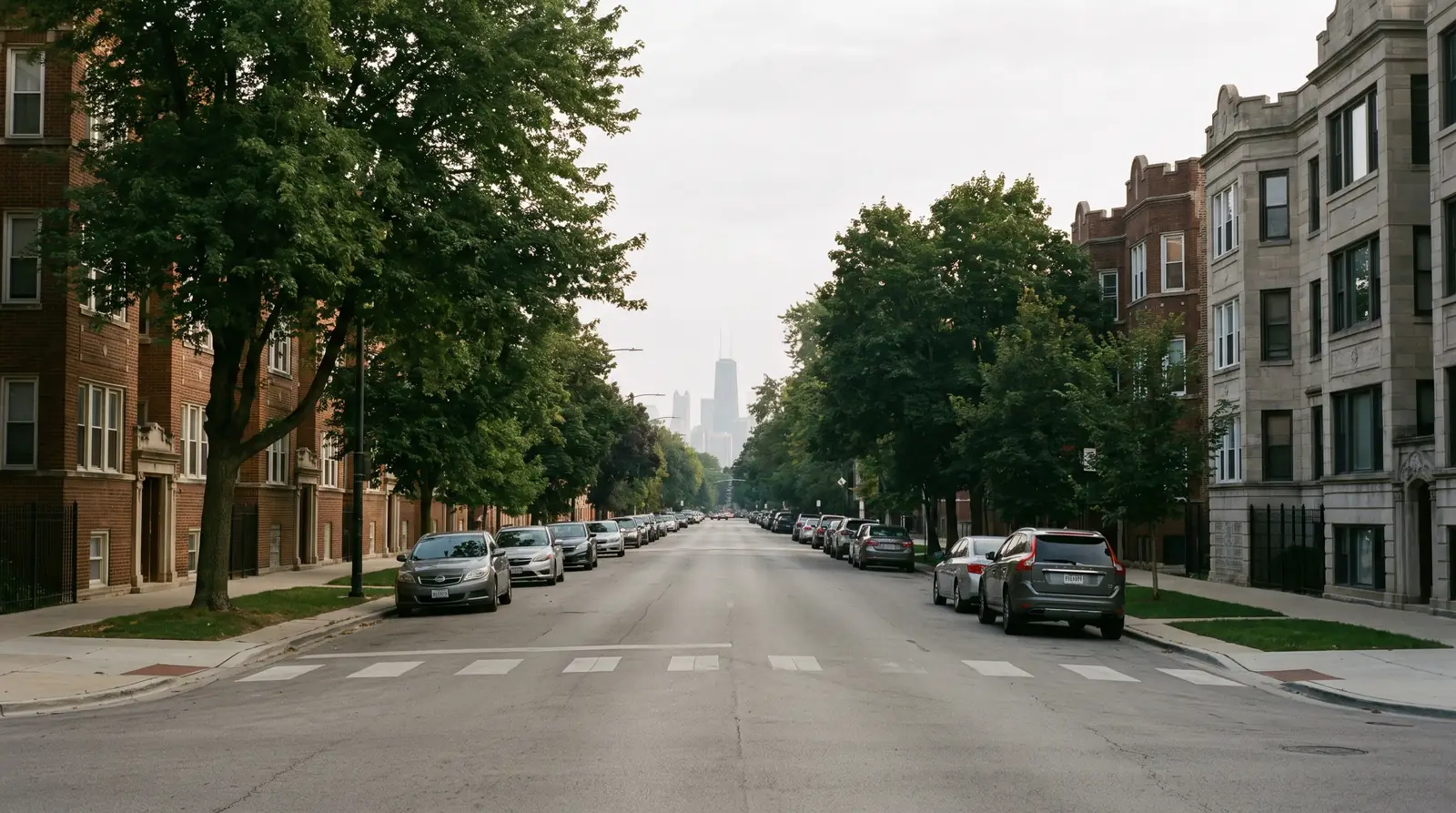
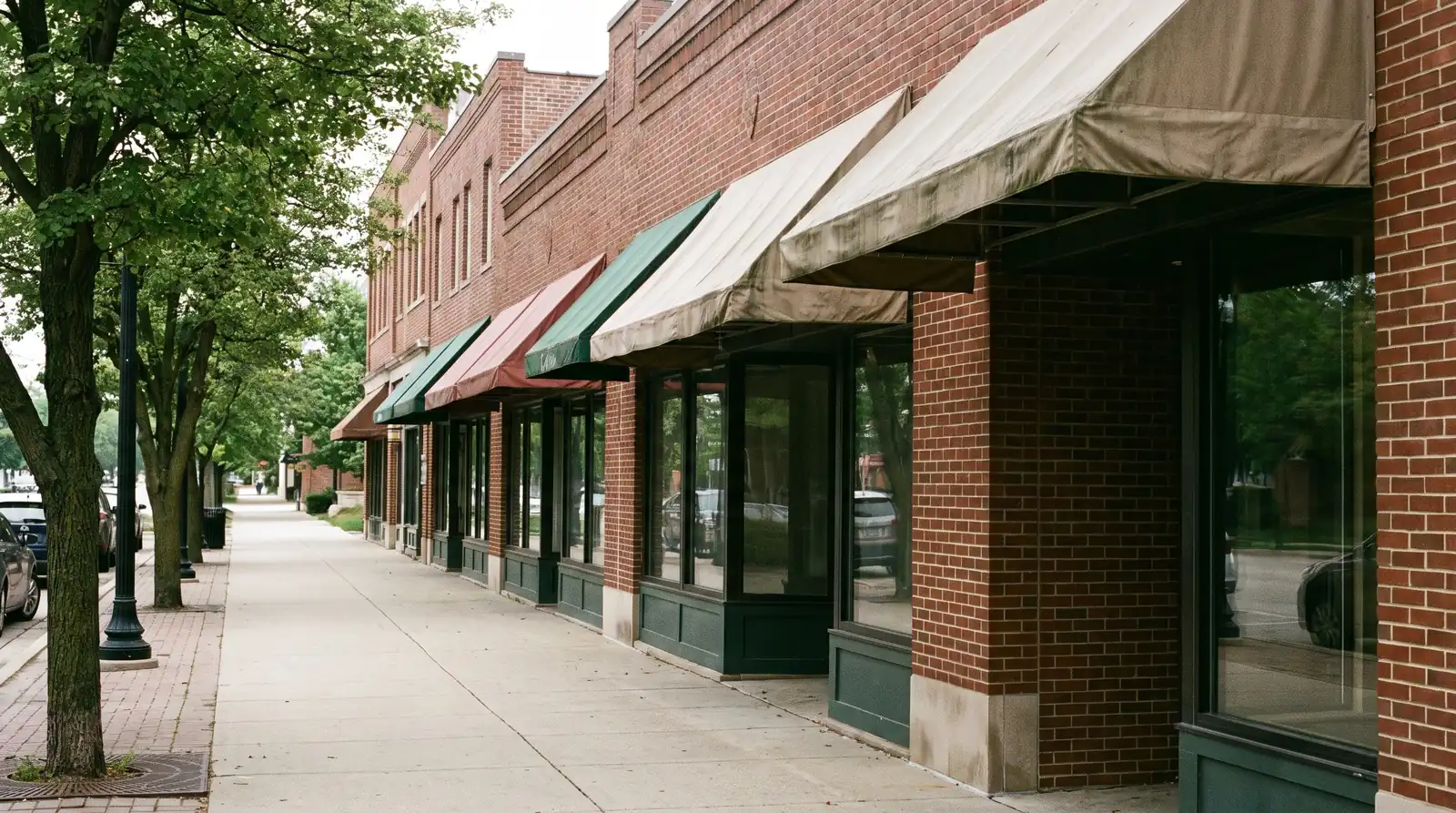
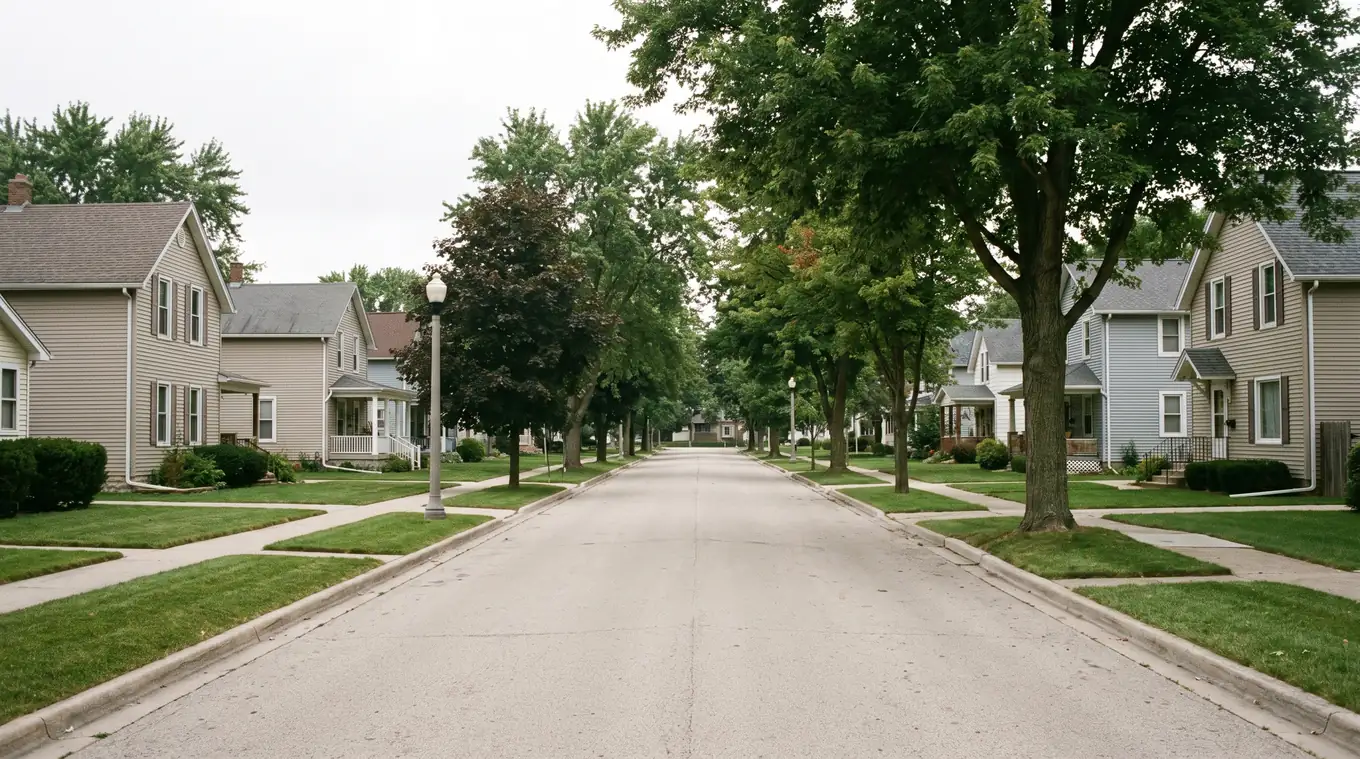
From Chicago's two-flats and greystones to Metro East river towns and central-Illinois farm operations, the policy language changes with the property. We read it that way.

Four numbers that decide your Illinois claim
The carrier's estimate is not one number. It is four policy decisions stacked together. Test each one before you accept the total.
The same loss can carry two prices. ACV pays depreciated value first; RCV releases the difference after repairs. Ask which valuation applies to the building, the roof, and the contents.
Your deductible is not always one number. Wind, hail, and named-storm deductibles can be separate — sometimes a percentage of the building limit. Confirm which one the carrier used.
Ordinance or law coverage is a line item, not a favor. A, B, and C pay to rebuild, demolish, and tear out undamaged work required by code. If the estimate omits them, the number is incomplete.
ALE covers a household's extra living costs; business income and extra expense cover lost earnings and continuing costs. Both need documentation tied to the repair timeline.
Send the policy and the carrier's estimate. We will show you which of the four is moving the number.
Get a Free Claim ReviewBuilt for documented negotiation
The Illinois practice is built around three things: a documented license, a policy-first file, and a review that covers the building, contents, and business income.
Two adjusters, two different jobs
The carrier's adjuster is paid to evaluate the loss for the insurer. A public adjuster is retained by the policyholder and owes loyalty to the insured under Illinois law.
The insurer's adjuster
Scopes the loss for the carrier, applies the carrier's pricing, and reports to the carrier. Their work product is not prepared for you.
Your public adjuster
Reads the policy for you, documents the full scope, and negotiates the number. Illinois requires objectivity and complete loyalty to the insured.
Four steps from first review to settlement

Free claim review
Send the policy, the carrier estimate, and photos. We identify what the scope missed and whether representation makes sense.

Document the loss
We build a room-by-room or building-by-building record: measurements, photos, code items, contents, and business income exposure.

Negotiate or appraise
We present the documented scope to the carrier. If the number stays disputed, the policy's appraisal clause can decide the amount of loss.

Recover and close
We track payment, recoverable depreciation, and any supplemental items until the file is settled.
Start with the policy and the estimate.
Get a Free Claim Review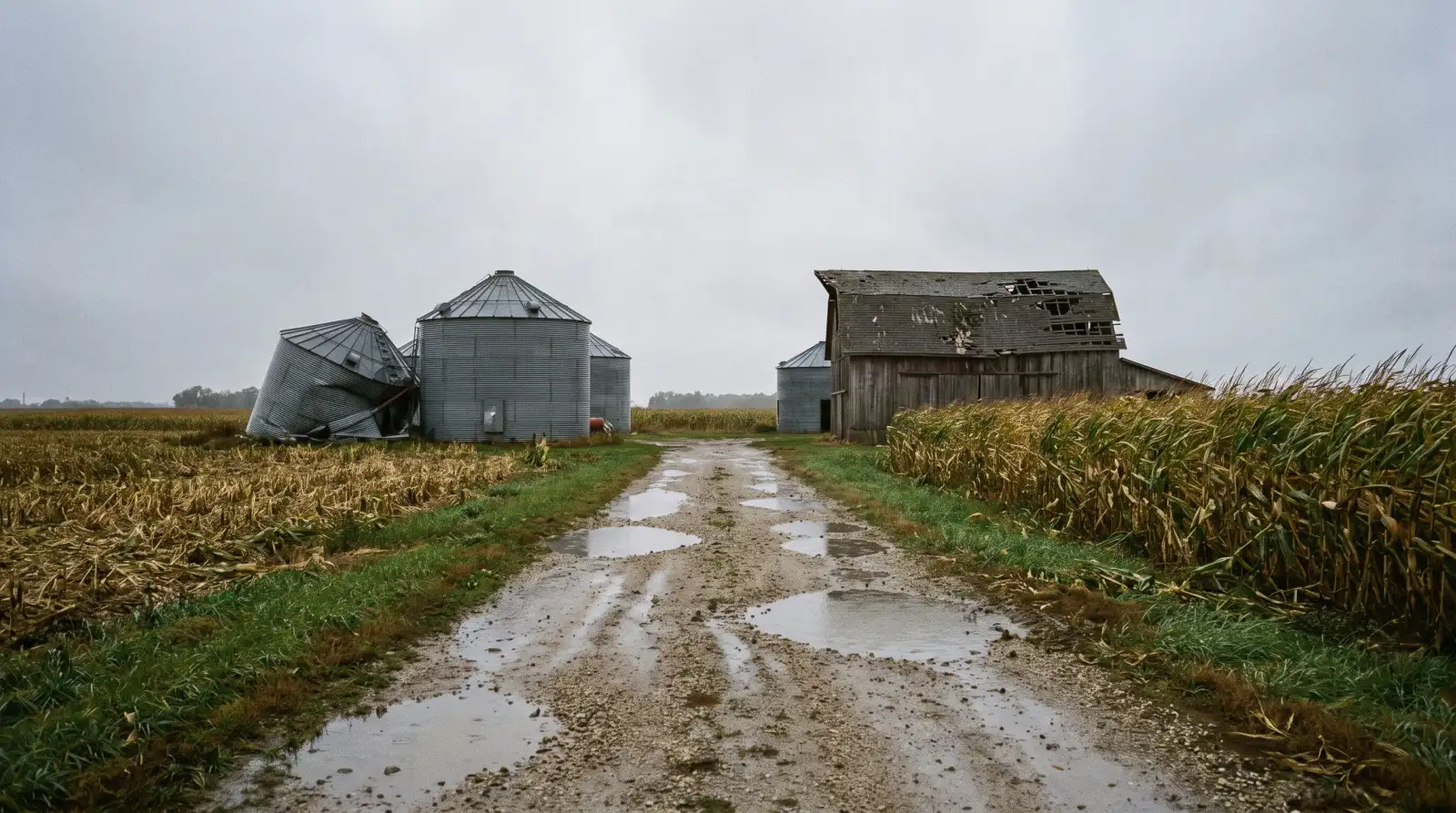
Farm and ranch claims in Illinois
Illinois farm losses rarely stop at the building. Grain storage, drying equipment, machinery, livestock structures, and interrupted operations each carry their own policy treatment.
-
Grain bins and drying systems
Spoiled grain after a power loss or storm damage is a contents and business-income question, not just a building repair.
-
Barns, outbuildings & equipment
Older barns may carry functional replacement cost or agreed value. Machinery needs the unit, attachment, and downtime scheduled. The valuation clause decides what the policy pays.
-
Agribusiness interruption
Document the production cycle and contracts so lost income is measured against the operation, not a generic estimate.
Rights written into Illinois law
Licensing and first-party claims
Illinois licenses public adjusters under Article XLV of the Insurance Code, and the license covers first-party property claims.
Fees and the catastrophic-event cap
For property other than a personal residence, a claim resulting from a catastrophic event is capped at 10% of the amount the insurer pays, unless the Director approves more in writing.
Contract terms and cancellation
The contract must disclose the full fee and the exact percentage. IDOI says it can only be cancelled by certified mail within five business days.
Appraisal and vexatious delay
If the insured's full appraised loss is upheld, 215 ILCS 5/397.05 shifts the insured's appraisal and umpire fees to the insurer. 215 ILCS 5/155 lets a court award fees, costs, and a penalty for vexatious delay.
Not sure which clause applies to your loss?
Get a Free Claim ReviewLegal information, not legal advice. Statutes summarized as of October 28, 2026; the statutory text controls. Last reviewed: October 28, 2026.
Statewide coverage, four regions in focus
Illinois claims are not uniform. Labor rates, code enforcement, and storm patterns change between the lakefront and the Mississippi bottomlands.
Northeastern Illinois
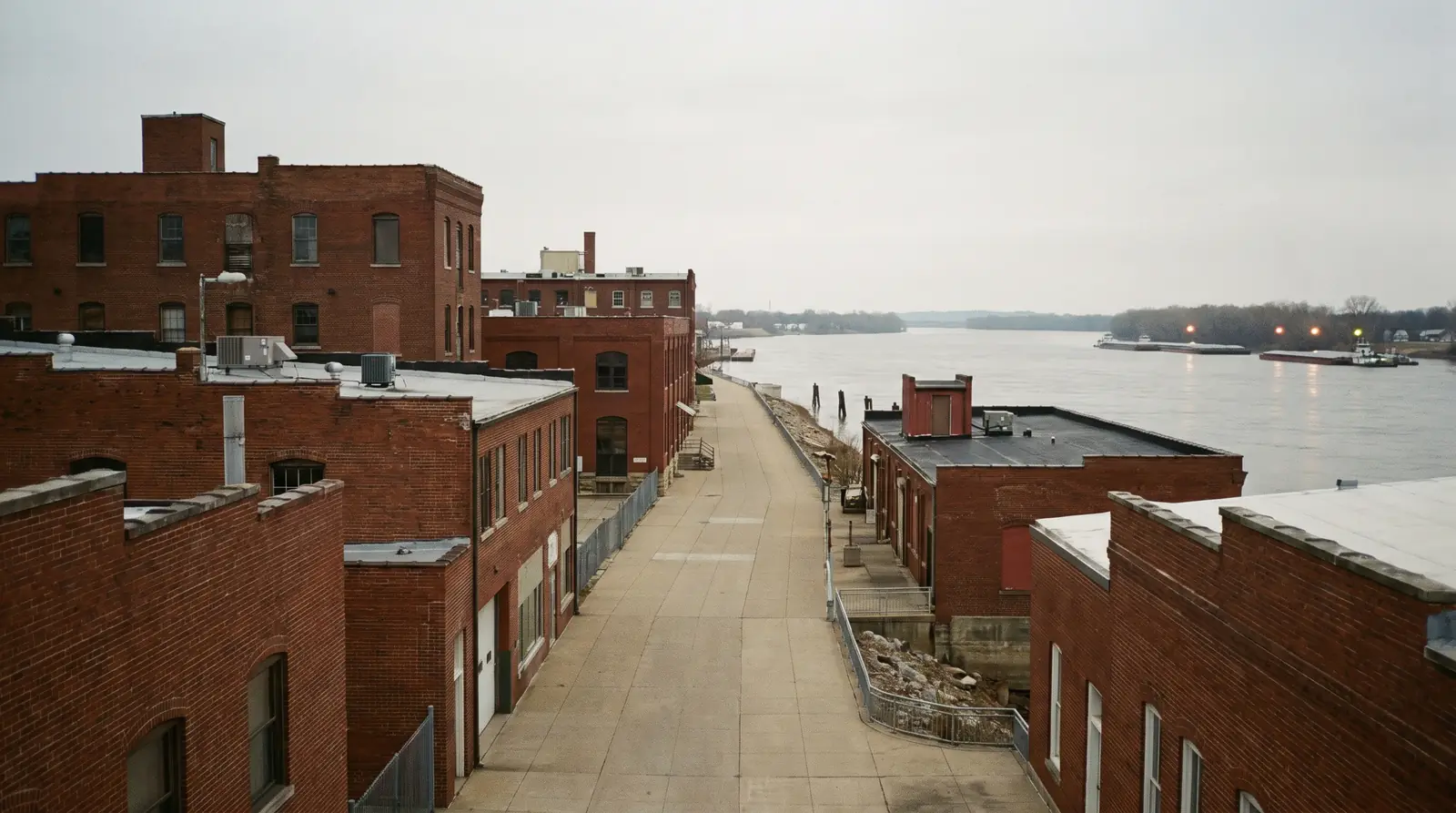
Cook, DuPage, Lake, and Will counties, where dense commercial stock and older housing meet lake-effect snow and ice dams.
Live
Central Illinois
Springfield, Peoria, and Champaign-Urbana, where hail, straight-line wind, and agricultural losses drive claims.
Live
Quad Cities
Rock Island and Henry counties, with river flooding, sewer backup, and cross-state contractor logistics.
Live
Metro East
Madison and St. Clair counties, where storm, hail, and Mississippi River exposure overlap.
Live
Commercial losses we document
Commercial claims turn on property type, occupancy, and the policy's valuation method. The scope has to survive a carrier review line by line.

Retail Strip Centers
Storefront glass, signage, roof membranes, and tenant improvements each sit under different policy limits.

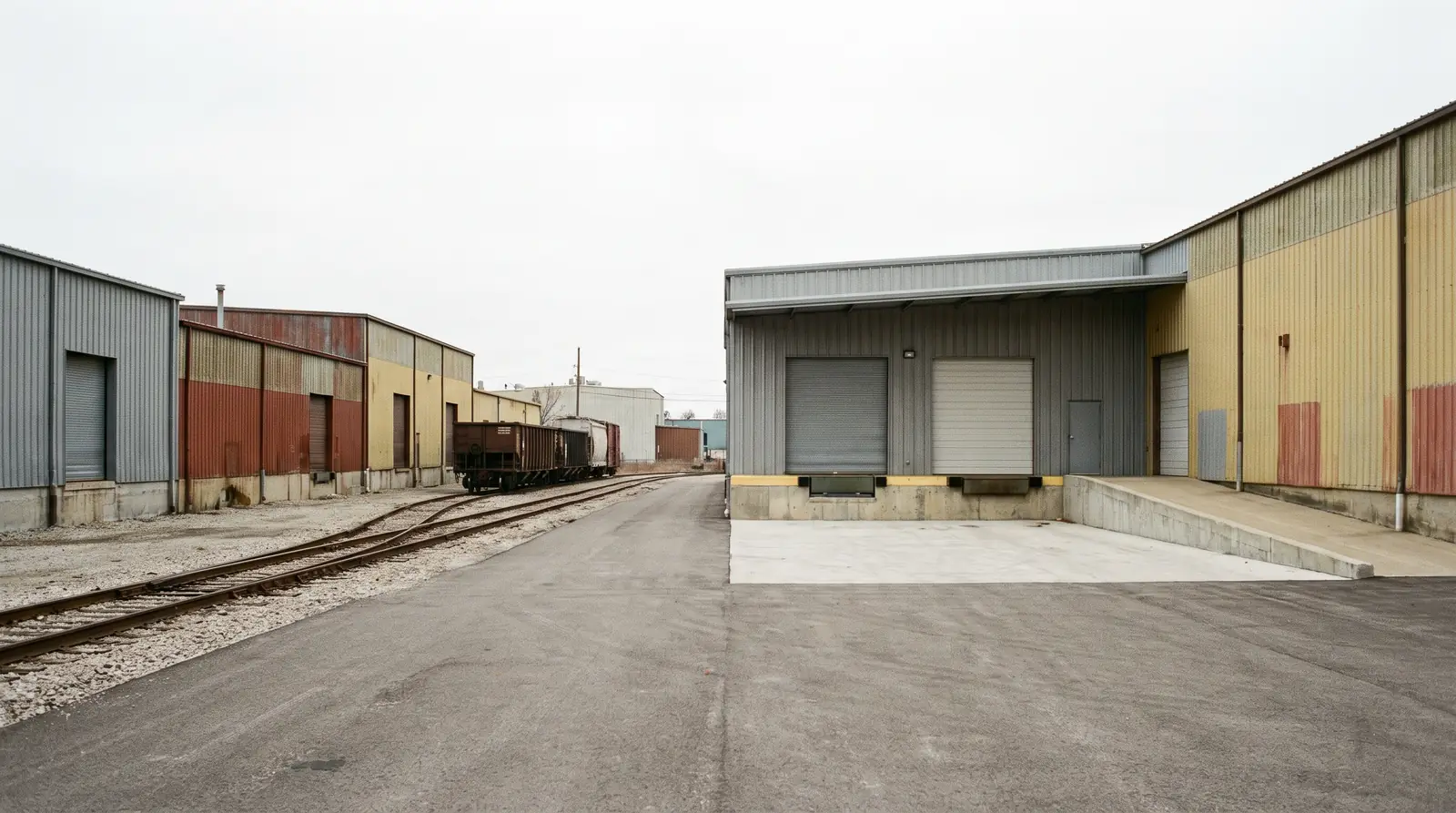
Warehouse & Industrial
Racking, inventory, machinery, and roof systems. Business interruption usually outweighs the building repair.
Medical & Dental Offices
Imaging equipment, sterile rooms, and tenant build-out require documentation beyond a standard office scope.

Multi-Family & HOA
Master policies, unit owner coverage, loss assessment, and ordinance or law limits decide who pays for what.

Hotels & Hospitality
Guest relocation, lost room revenue, and smoke damage in unsprinklered spaces drive the claim beyond the structure.

Self-Storage Facilities
Tenant goods, access control, and rental income loss need separate documentation from the building shell.
Commercial claim already in progress?
Get a Free Claim ReviewRead before you sign
Three plain-language guides on timing, proof of loss, and coverage limits: When is it too late to hire a public adjuster? · Sworn statement in proof of loss · Sublimits and coverage caps
Who handles your Illinois claim

Taylor Bezek
Taylor Bezek leads the Illinois practice and represents policyholders on commercial, farm, and residential property claims. The work starts with the policy language, then builds a line-item scope from inspections, photos, code requirements, and business records. Taylor handles carrier correspondence and negotiation, including appraisal when the number stays disputed. The first review is a fit check: policy, estimate, photos, and the open questions. Taylor holds Illinois public adjuster license #17007117 and is licensed in multiple states.
Claim guides for Illinois property owners
Illinois public adjuster questions
Illinois separates referring a claim from adjusting it. A contractor can introduce the owner, but only a licensed public adjuster may negotiate the loss for compensation. The adjuster also cannot pay a commission or fee to an unlicensed person for investigating or settling the claim, so an arrangement that shares the adjuster's fee with an unlicensed contractor creates a licensing problem for both sides.
Once the owner signs a public adjuster contract, the adjuster notifies the insurer and the carrier routes claim correspondence to the adjuster. Illinois allows the contract to name the public adjuster as a co-payee on the insurer's payment. The owner should still ask for regular progress updates, because settlement money is paid to the insured and the agreed fee comes out of that recovery.
Ask for the adjuster's Illinois license number and check it through the Department of Insurance agent lookup, which routes to the NAIC SBS search. The same number must appear in the Public Adjuster Contract. A business entity needs its own license, so verify the individual and the firm; the IDOI consumer line is (866) 445-5364.
No. The cap is narrower than it sounds. Illinois limits public adjuster compensation to 10% of the amount the insurer pays when the loss is to property other than a personal residence and the claim results from a catastrophic event. The Director of Insurance can approve a higher amount in writing, and the request must show that the policyholder accepts it.
Illinois requires a written contract titled Public Adjuster Contract. It must identify the adjuster by legal name, business address, email, phone and license number, describe the insured, property, loss and services, show both signatures with dates and times, state that the adjuster is bonded, and disclose the full fee, including any applicable cap. A percentage-based fee must state the exact percentage.
Often it can, for amount only. Illinois' standard fire policy includes an appraisal process, and 215 ILCS 5/397.05 requires the insurer to pay the insured's appraisal fee and the umpire's fee when the insured's full appraised loss is upheld by the appraisers or umpire. Appraisal decides the amount of loss, not whether the policy covers the cause of loss.
Illinois does not set a single rate for residential claims. The Department of Insurance says public adjusters are typically paid a percentage of the settlement, that fees are negotiable, and that the contract must state the compensation. If the fee is a share of the settlement, the exact percentage must appear in the contract, along with any expenses estimated in dollars.
The contract is binding once signed, but Illinois gives the owner a short exit. The Department of Insurance says the contract can only be cancelled by certified mail within five business days after the date it was signed. Send the cancellation to the address in the contract and keep the certified-mail receipt as proof of the date.
Illinois does not set a stopwatch. Under 215 ILCS 5/155, a court may award reasonable attorney fees, costs, and a penalty when an insurer's delay in settling or refusal to pay is vexatious and unreasonable. Courts look at the insurer's attitude, whether the insured had to sue, and whether a genuine coverage dispute existed.
Illinois bars solicitation while the loss-producing occurrence is continuing or while the fire department is on site, and between 7:00 p.m. and 8:00 a.m. The adjuster also cannot have a financial interest in the claim beyond the contract. If someone approaches you at the scene, ask for the license number and verify it with the Department of Insurance before signing anything.