Hail & roof damage
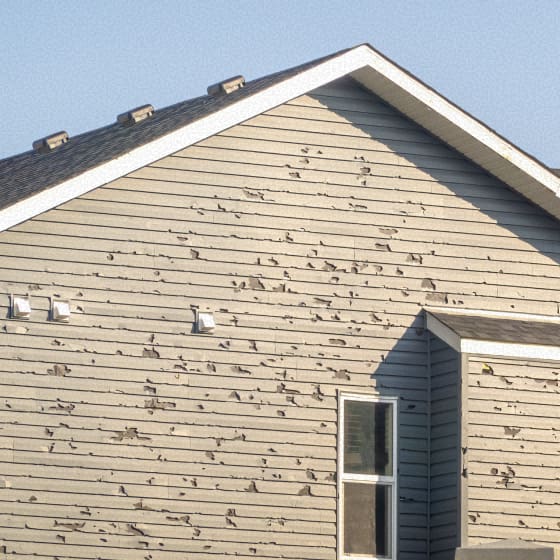
Hail bruises shingles, dents vents and gutters, and breaks the seals that keep water out. We document the full roof system and the interior damage that follows — not just the shingles visible from the ground.
Minneapolis winters and storm seasons attack a house from every direction. Ice dams back water under shingles, frozen pipes burst inside walls, hail bruises roofs, and spring wind opens seams that leak for weeks. The first estimate often prices what is visible, not the full repair. Our Minneapolis public adjusters document the entire loss, manage the carrier, and get paid only when you recover.
 Hail, wind, tornado & storm damage claims
Ice dams, frozen pipes & hidden water intrusion
Fire, smoke & tree-fall damage
No recovery, no fee — zero upfront cost
We only get paid when you do.
Tell us about your property and the damage. We'll review it at no cost.
No upfront cost. We only get paid if you recover. Licensed Minnesota public adjuster.
Results vary by claim. Figures reflect JustClaims claim experience.
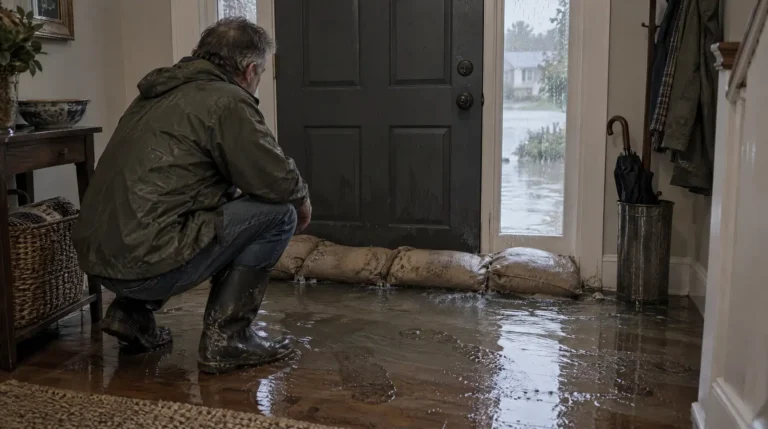
Minneapolis losses rarely stay in one trade. Hail and wind open the roof; ice dams push water under shingles; a frozen pipe floods the interior long after the storm is gone. We scope the cause and every resulting repair as one claim.
Hail bruises shingles, dents vents and gutters, and breaks the seals that keep water out. We document the full roof system and the interior damage that follows — not just the shingles visible from the ground.
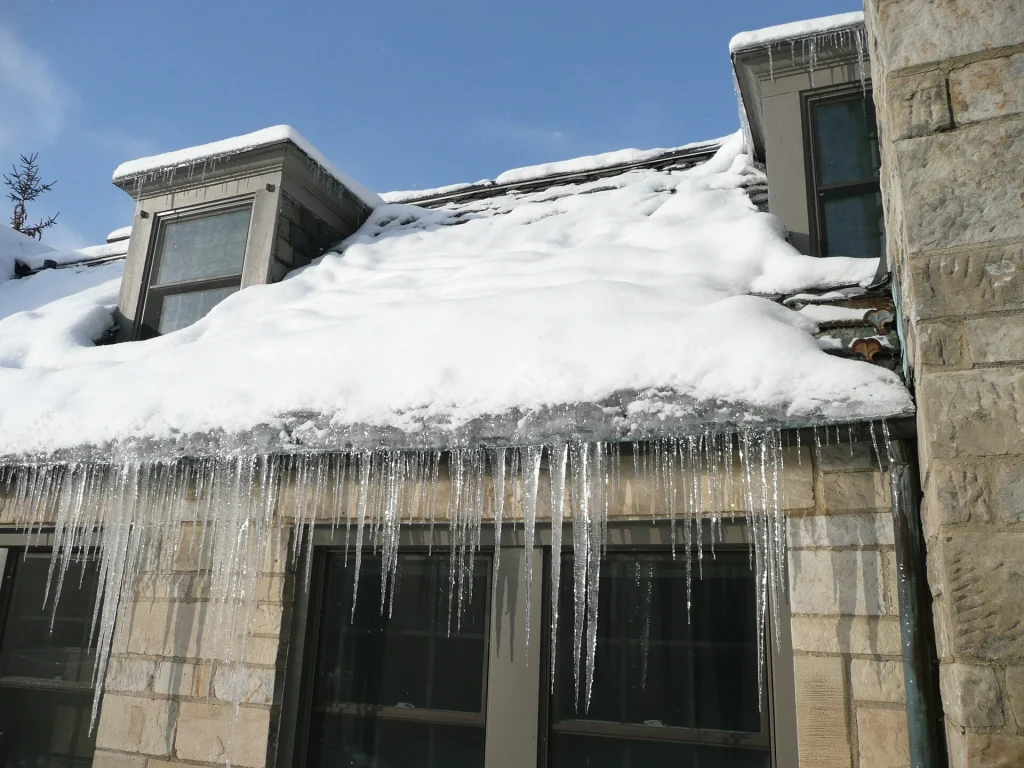
Ice dams force meltwater under shingles and into ceilings; frozen pipes burst inside walls. We document the water path, the failed component, and the full interior repair before the carrier labels it maintenance.

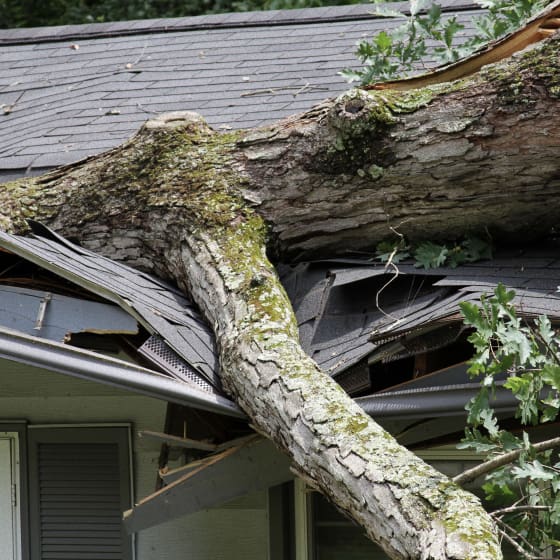
Straight-line wind and tornadoes lift roofing, break windows, and drop trees onto structures. We scope the building envelope, structural damage, and debris removal as one claim.
The carrier's estimate is below your contractor's bid
Damage is labeled "wear and tear," "maintenance," or "seepage"
Ice-dam or frozen-pipe damage is scoped as cleaning only
The adjuster missed hidden moisture, code upgrades, or matching
The settlement won't cover the full repair
Minnesota sets claim-handling deadlines and specific rules for public adjuster contracts. The public adjuster statute does not set a percentage fee cap, but the fee must be disclosed in writing. Here is the framework — general information, not legal advice.
Your insurer must acknowledge your claim and provide the necessary claim forms within 10 business days of notice, unless the claim is settled within that period. Minn. Stat. § 72A.201, subd. 4(1).
The insurer must complete its investigation and accept or deny the claim within 30 business days of notice, or explain in writing why it needs more time and give an expected date. After a properly executed proof of loss, the outer limit is 60 business days. § 72A.201, subd. 4(3), (11).
You may cancel a public adjuster contract within 72 hours of signing by written notice. Payments and any note must be returned within 10 days. Minn. Stat. § 72B.135, subds. 1–3. Verify a Minnesota license.
Minnesota hail policies require suit within one year of the loss and provide appraisal on written demand when the parties disagree on the amount. § 65A.26. Other policy types have their own terms — check your policy.
JustClaims provides public adjusting services, not legal advice. Policy terms and current Minnesota law control. Consult a licensed Minnesota attorney for legal questions. Last reviewed October 2026.
No upfront cost. We only get paid when you recover.
Tell us what happened. We review your policy and damage at no cost and tell you honestly whether a public adjuster adds value.
Start your free claim review →
We inspect, photograph, and scope every line item, then present a complete, evidence-backed claim to your insurer.
We handle the back-and-forth and push for the coverage your policy supports. You only pay when you recover.
Minneapolis' mix of older housing stock, winter weather, storms, water, fire, HOA, and commercial property creates claims that rarely fit a single template.
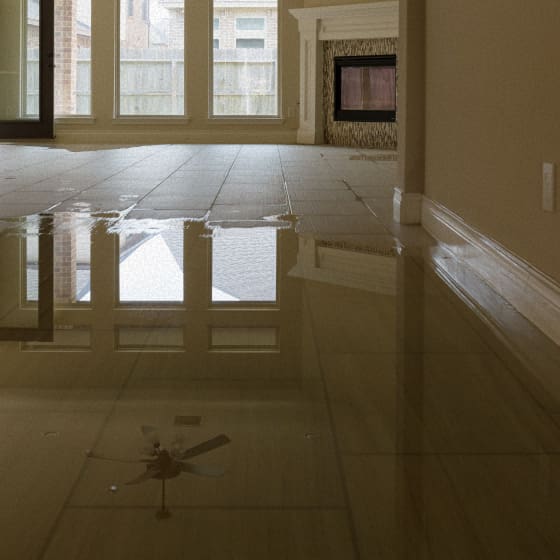
Ice dams and burst pipes drive water into ceilings, walls, and basements. We document the source and the full interior repair before the carrier calls it maintenance.
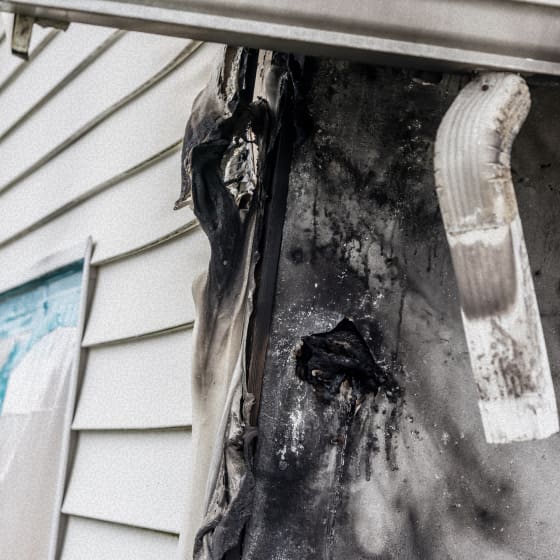
Structure fires, smoke travel, and ash damage scoped for full repair and cleaning, not just the visible damage.

Master-policy gaps, loss assessments, and shared-structure damage in Minneapolis condos and HOA communities.

Business property, lost income, and mixed-use building claims for Minneapolis owners and operators.
Code-sensitive repairs, matching, and plaster-and-lath construction in the city's older neighborhoods.
Shared walls, landlord and tenant coverage, and rental income losses in Minneapolis townhomes and rentals.
We represent policyholders only. From the first inspection to the final settlement, we handle the carrier so you can focus on the property.
We reopen the estimate, document what the carrier missed, and negotiate the full scope of repair.
We manage the carrier's requests, deadlines, and follow-ups so the file keeps moving.
We challenge unsupported "wear and tear," "maintenance," or "cosmetic" findings with evidence.
Single-family homes
Older & historic homes
Condos & townhomes
HOA communities
Rental properties & duplexes
Multi-family buildings
Commercial & retail
New construction

As General Manager at JustClaims, Taylor Bezek leads our Minnesota claims practice and works directly with Minneapolis owners on hail, ice dam, frozen-pipe, tornado, wind, water, and fire losses. His approach is documentation-first: build the scope from the damage up, answer the carrier's likely objections before they are raised, and keep the policyholder in control of the claim. Taylor is a licensed Minnesota public adjuster and works only for policyholders — never the insurance company.
We represent policyholders across Hennepin, Ramsey, Dakota, Anoka, and Washington counties — from Minneapolis and St. Paul to the surrounding suburbs.
We work with roofers, restoration companies, and general contractors to document the loss and align the scope so their customers' claims reflect the full repair.
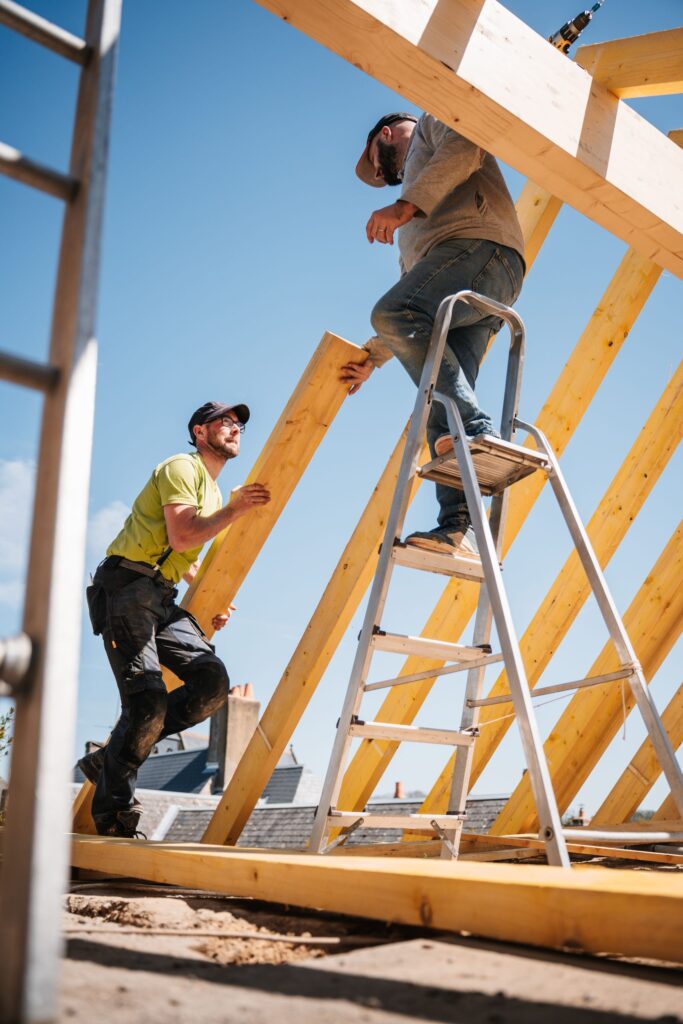
Hail, wind, and storm roofing claims documented to full replacement where the policy allows — with the interior damage included.

Water, fire, and smoke mitigation scoped correctly from day one, so the repair estimate and the claim tell the same story.

We handle the insurance paperwork and negotiation so your scope of work is fully documented for the carrier.
Emergency tarping is usually part of the covered storm loss when the roof was damaged by a covered peril. Keep the invoice, photos, and the tarping company's scope. Send them to your insurer promptly and ask that the cost be added to the claim. Do not make permanent repairs before the insurer inspects, unless more damage is likely. If the carrier excludes the tarp or calls it maintenance, document why the work was necessary to prevent further damage.
The policy and the lease control. The owner's policy usually covers the building, including ice-dam damage to the roof and structure, while a tenant's renters policy usually covers their contents. If both policies respond, the carriers may sort out responsibility through subrogation. Start by reading the lease and both declarations pages, then report the loss to the right carrier. Do not assume the tenant's policy pays for the building or the owner's policy pays for the tenant's belongings.
Your contract controls. Read the termination and cancellation terms, and ask the current adjuster in writing what they need to close the file and release records. Minnesota allows a 72-hour cancellation right after signing, but switching later depends on the contract. A new adjuster will also need your claim file, estimates, and correspondence. Get the transition terms in writing before you sign anything new. This is general information, not legal advice.
Possibly. The HOA master policy and your HO-6 unit-owner policy cover different things. The master policy may cover the building's common elements and the association's insured structure, while your HO-6 policy may cover your unit's interior, personal property, and loss assessments. Whether you can file depends on both policies, the association's governing documents, and what the master claim already covers. Report the loss to your HO-6 carrier promptly and ask how it coordinates with the master claim.
Keep dated photos and video of every affected unit, the damage, and the repairs. Save leases, rent rolls, notices to tenants, and proof of lost rent. Keep contractor bids, invoices, receipts, and any temporary housing or mitigation costs. Preserve texts and emails with tenants and the insurer. A simple claim folder with a timeline helps show what was damaged, when it happened, and what it cost. Give the carrier copies, not your only originals.
Weather records can help. Hail claims often turn on whether a storm capable of causing the damage passed over the property on a specific date. Save your photos with timestamps, contractor inspection reports, neighbor reports, and any weather data for the address. A public adjuster can compare the damage pattern with storm reports and the carrier's own date-of-loss records. The policy and the evidence still control, but a documented weather match can support a reconsideration or supplement.
It only takes a few minutes. No upfront cost. We only get paid when you do.
Minnesota-licensed public adjuster · Contingency fee, no upfront cost · Serving Minneapolis and the Twin Cities metro · Company-wide results; individual outcomes vary