



North Carolina Public Adjusters — Coming Soon
Hurricane, flood, hail & fire claims — from the Outer Banks to the Blue Ridge.
JustClaims is expanding to North Carolina, and our license application is already in progress with the NC Department of Insurance. We recover underpaid property claims for homeowners, HOAs, farms and businesses — and when we open here, you'll want to be at the front of the line. No upfront cost. We only get paid when you do.
We only adjust claims where we're licensed — and NC is next.
Public adjusting is a licensed profession in North Carolina, and doing it without a license is a crime under NC law. Here's exactly where JustClaims stands.

Multi-state licensed team
Our adjusters hold active public adjuster licenses across the country — Minnesota, Missouri, Texas, Florida, Georgia, Washington, Colorado and Montana.
NC application in progress
Our North Carolina public adjuster license application is filed with the NC Department of Insurance. We won't touch a single NC claim until it's issued — and this page opens for full service the day it is.
Read the state's own guide first
The NC Department of Insurance publishes a consumer guide to public adjusters. Read it before you sign with anyone — including us.
A track record that travels
$50M+ recovered for property owners, 100+ combined years of claims experience, and a no-recovery-no-fee model in every state we serve.
Be first in line when we open in North Carolina.
Join the NC Priority ListThe North Carolina cities on our launch map.
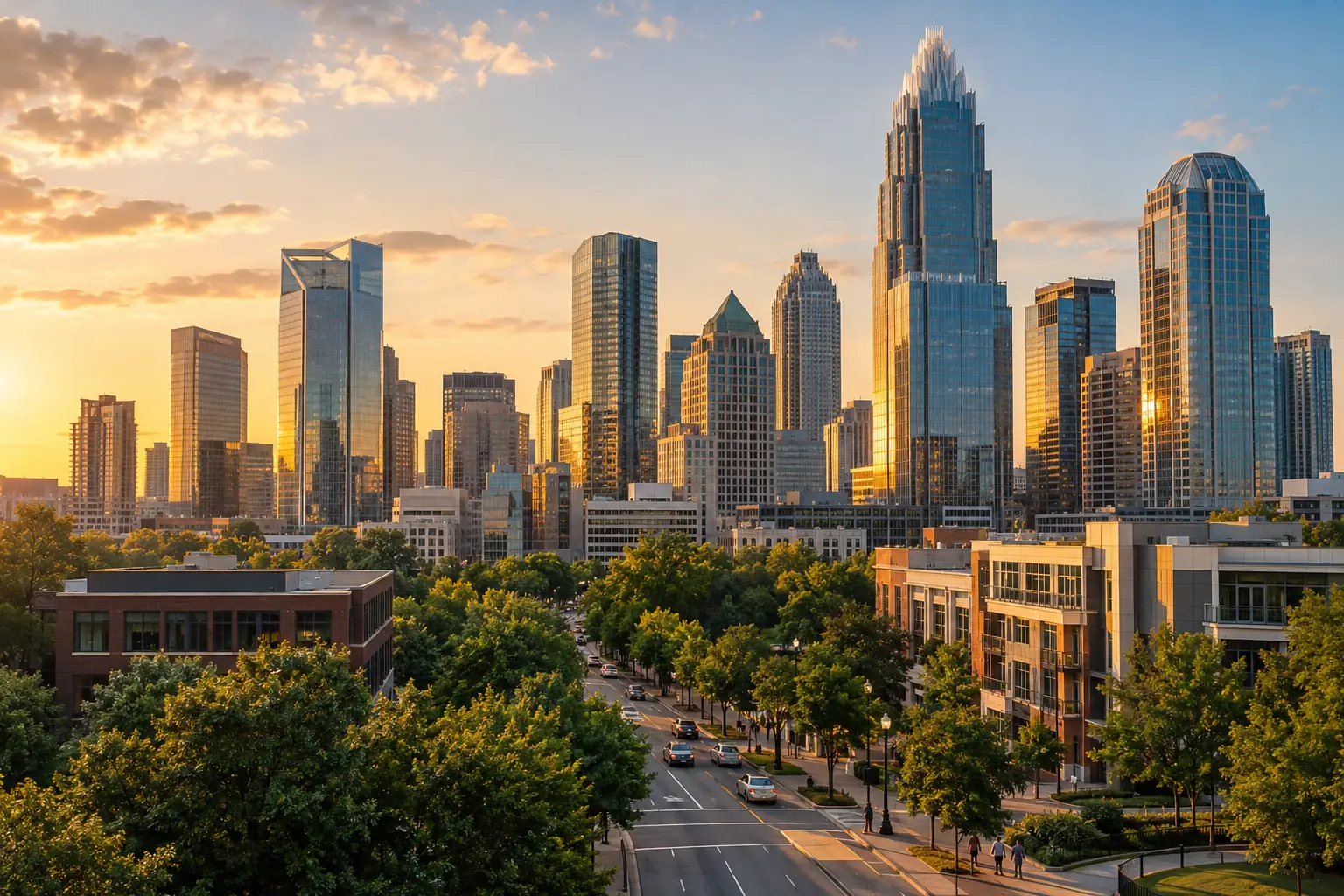
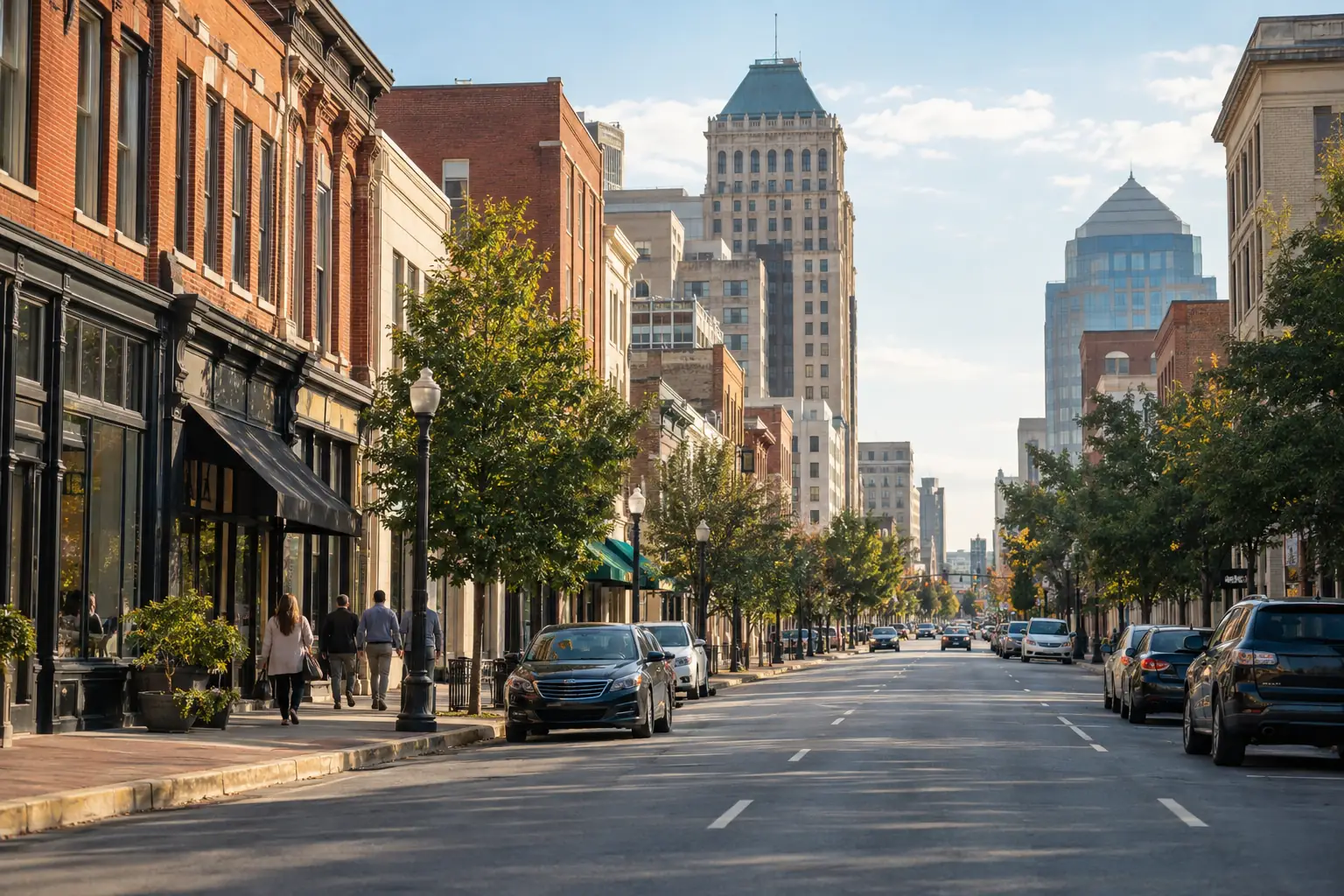
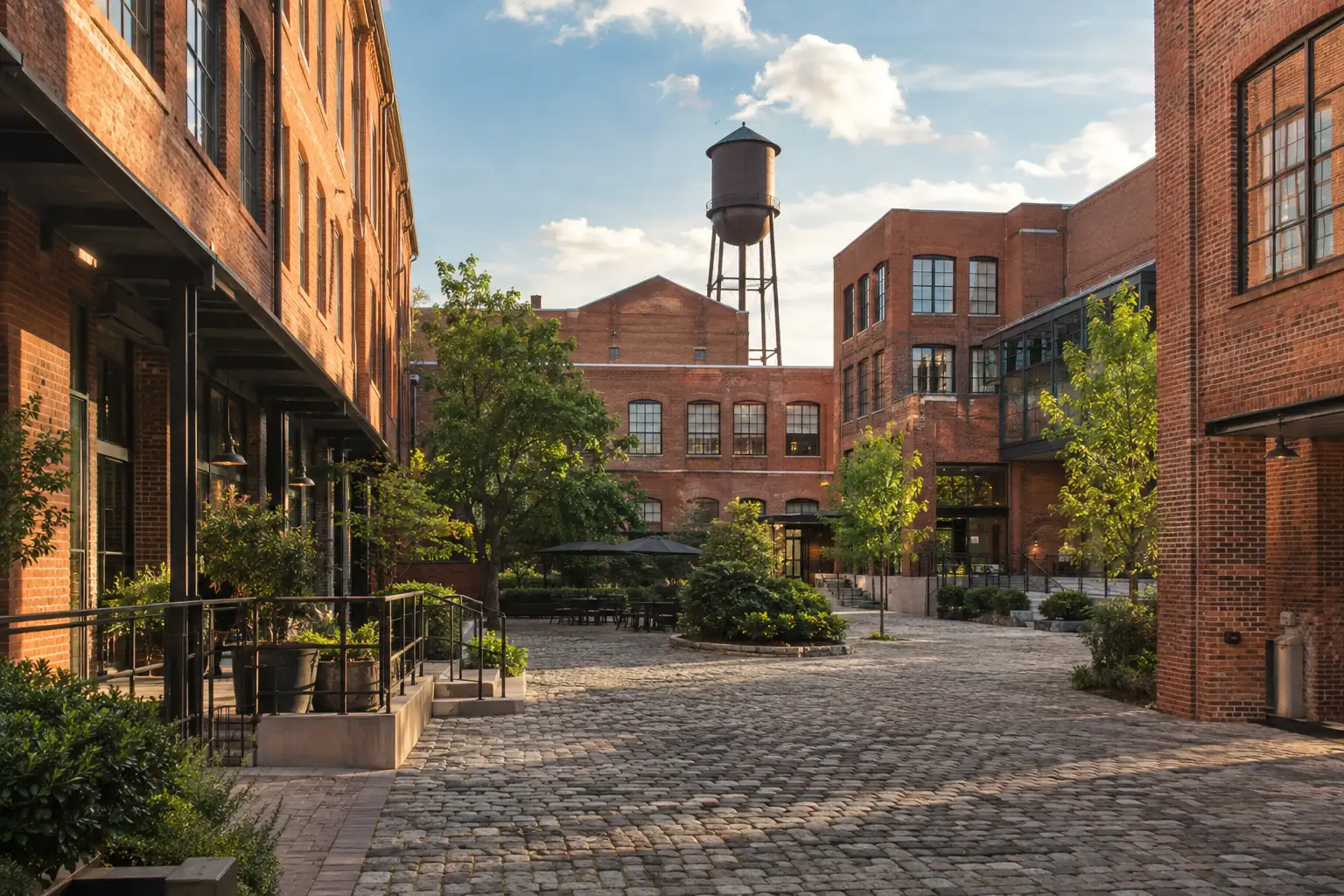
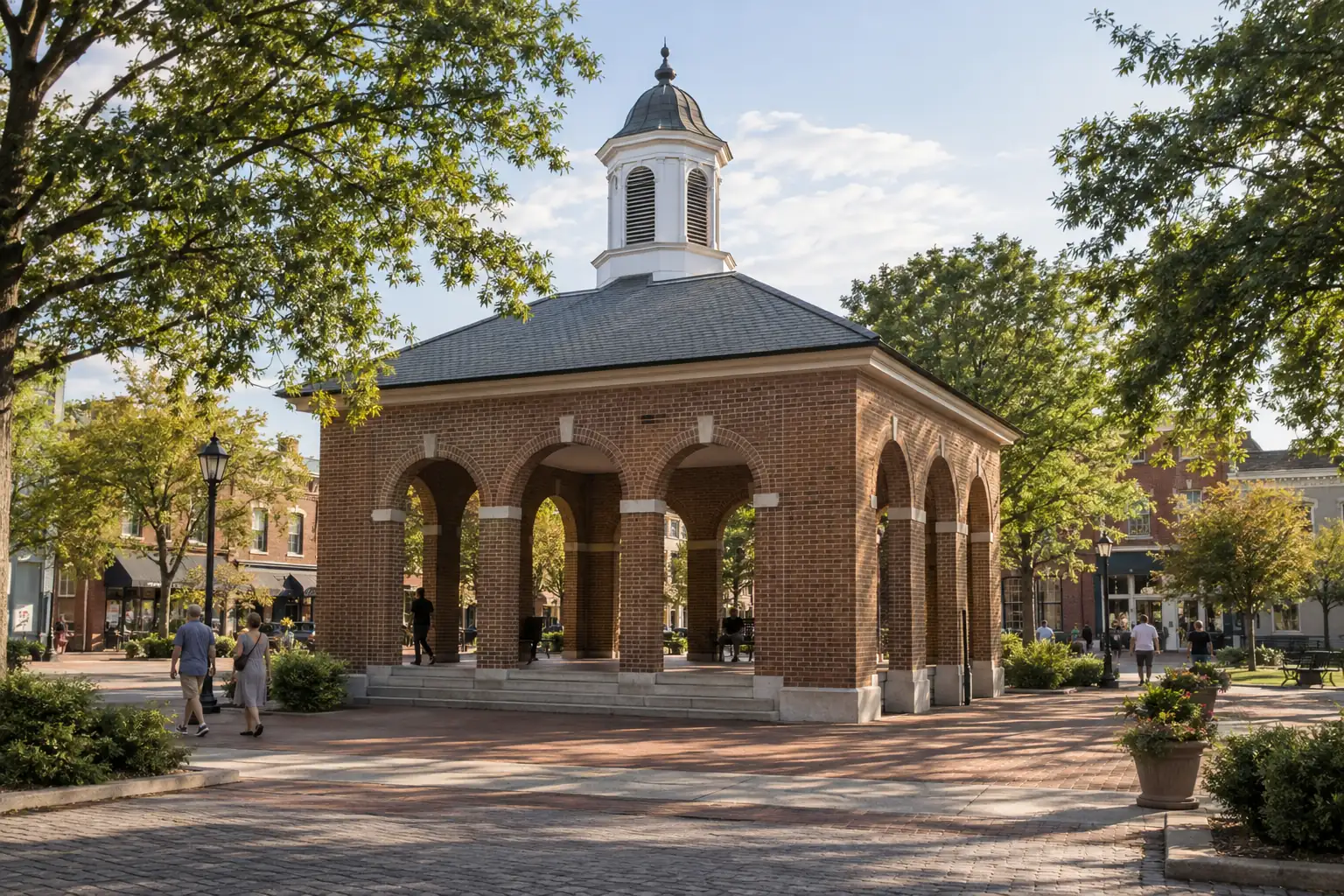
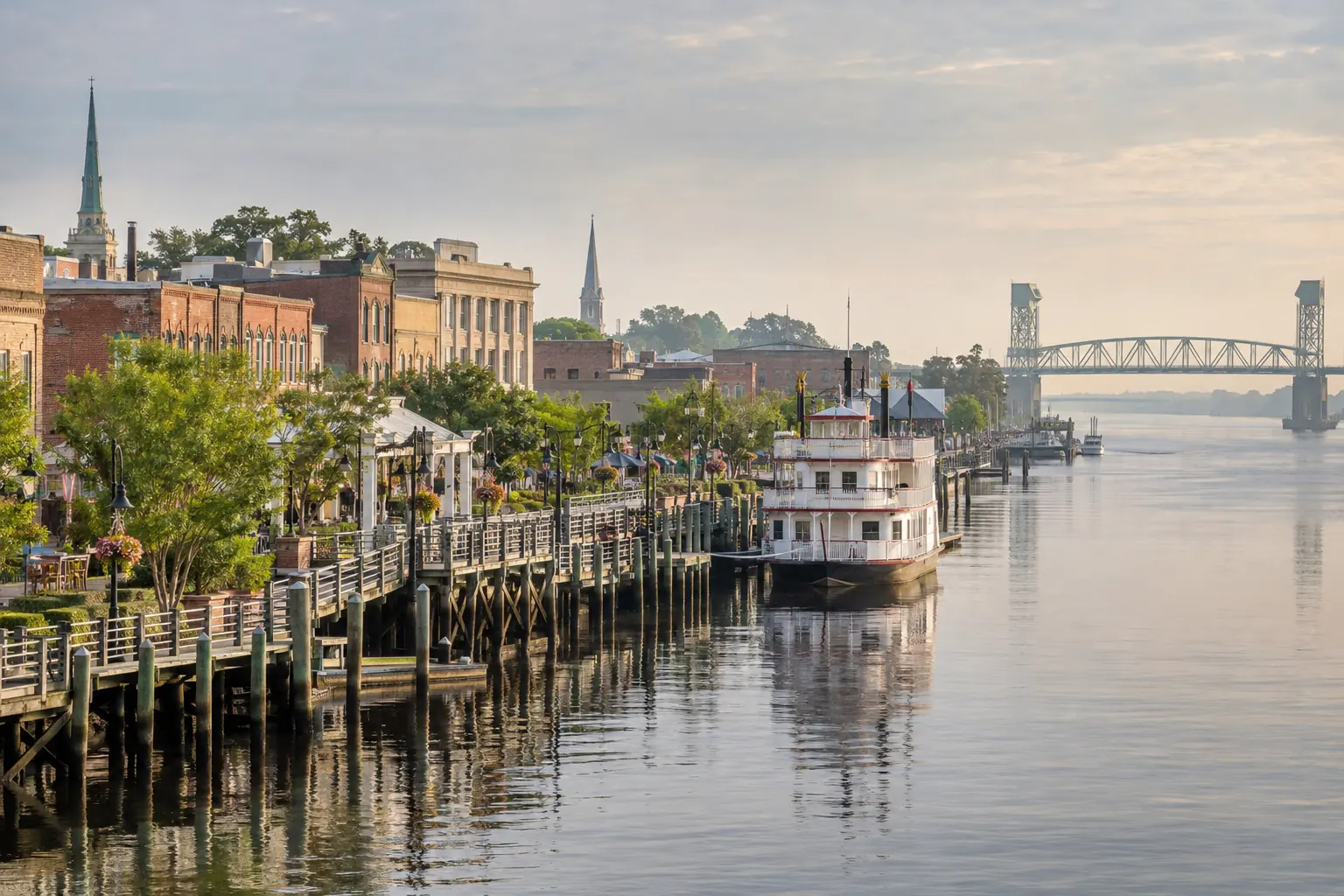
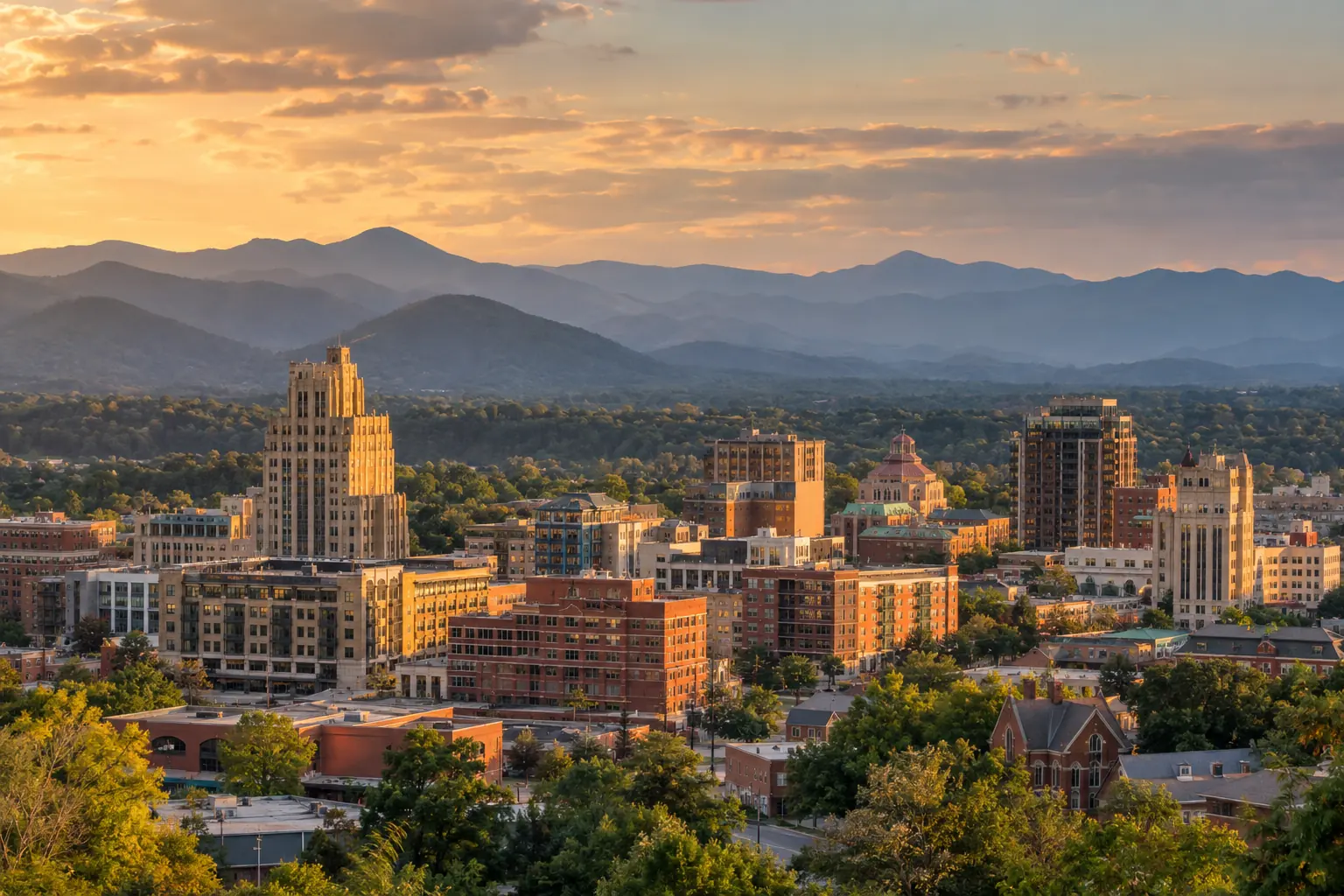
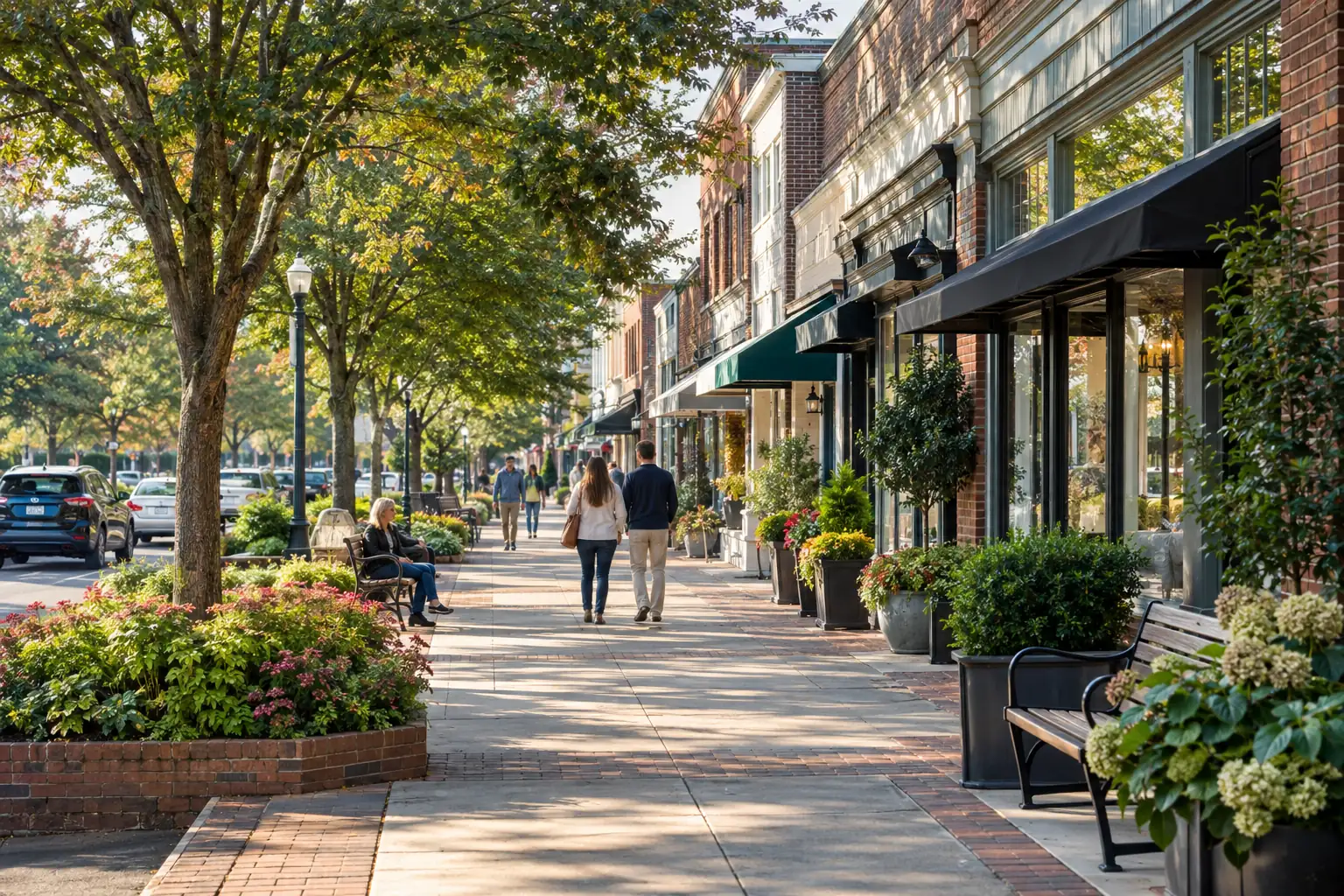
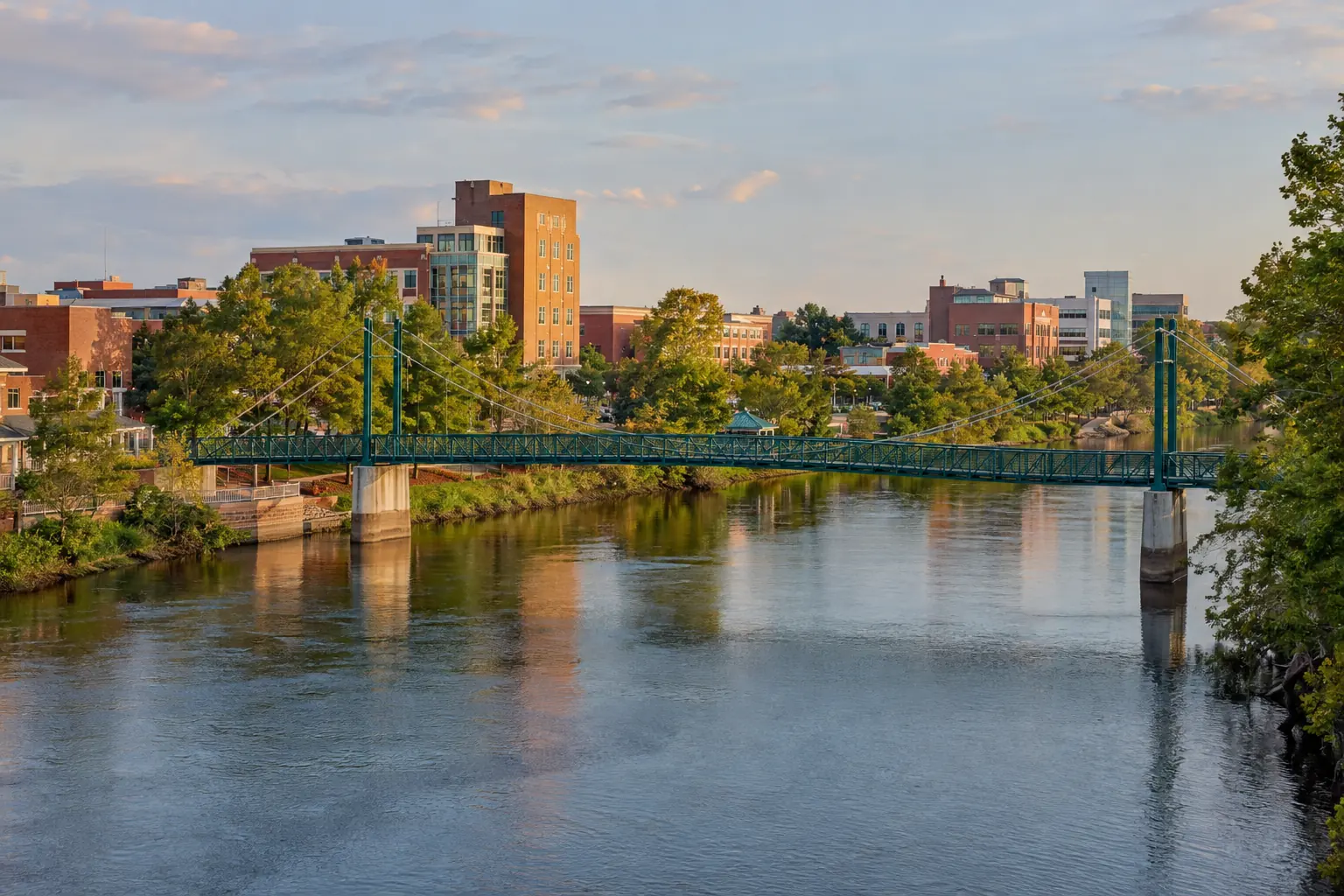
From the hurricane coast to the Triangle, the Triad and the Blue Ridge — these are the first communities we plan to serve once licensed.


Real licenses. Real accountability.
North Carolina is strict about who may advertise or negotiate a property claim. Here's where JustClaims stands — statewide and nationwide.
The losses North Carolina properties face most.
Coastal hurricanes, Piedmont hail, mountain flooding and rural fire — NC claims run the full map. When we're licensed, these are the property types we'll fight for.

Historic & Coastal Homes
Older construction, beach-plan policies and named-storm deductibles make coastal claims their own fight.

Single-Family Homes
Piedmont hail alleys and spring tornadoes hammer roofs from Charlotte to Raleigh.

Mountain & Inland Properties
Helene proved it: standard homeowners policies exclude flood, and wind-vs-water causation decides everything.

Rural & Farm Properties
Barns, poultry houses, hog operations and equipment — rural losses get scoped the lightest.

Condos & Townhomes
Master policy vs. unit owner — who pays for what is where these claims go wrong.

Retail & Small Business
Property damage plus lost income while the doors are closed — both belong in the claim.
Not sure how your damage fits?
Join the NC Priority ListPublic adjuster vs. every other adjuster.
In North Carolina, only a licensed public adjuster or an attorney may negotiate a first-party property claim for a policyholder. JustClaims services begin upon NC licensure.
Underpaid, delayed, or denied?
The three moves carriers run everywhere — and the three we'll be built to fight in North Carolina.
Did they underpay you?
Lowball scopes, missed damage, named-storm deductible "surprises." We rebuild the number from the actual loss and document the full scope independently.
Is your claim stuck?
Silence, re-inspections, endless document requests. We keep the file moving and hold the carrier to the deadlines your policy and NC law set.
Were you denied?
Wind-vs-flood causation, "wear and tear," "pre-existing damage." A denial isn't the end — we review the policy, document what's covered, and re-submit with independent evidence.
Two adjusters. Two very different jobs.
After a hurricane, fire or burst pipe, the first adjuster you meet works for your insurance company. A public adjuster is licensed to represent only you — the policyholder — and North Carolina strictly limits who may do this work.
The Insurer's Adjuster
Works for the insurance company. Their estimate is built in the carrier's interest, often on preferred-vendor pricing. On a large or complex loss, that first number is rarely the full number.
Your Public Adjuster
Works only for you. Documents the full loss independently, files or reopens the claim, and negotiates the maximum recovery your policy supports — paid on contingency, so no recovery means no fee.
Three numbers every NC policyholder should know.
Before the next storm forms, check your declarations page. These three figures decide what a claim actually pays.
In North Carolina, hurricane deductibles are a percentage of your dwelling coverage — not a flat fee. Each 1% on a $350,000 home is $3,500 you pay before the insurer pays a dime. Find your figure on the declarations page now, not after the storm.
Wind damage goes to your homeowners policy. Flood damage goes to a separate NFIP or private flood policy. Miss either one and that part of the loss goes unpaid — Helene proved it across western NC.
North Carolina's standard fire policy generally gives you three years from the loss to take your insurer to court. Your policy sets the exact deadline — an attorney can confirm it. Miss it and the claim is gone.
How NC owners will work with JustClaims.

Get on the list
Join the NC priority list — it takes two minutes and costs nothing. When our license is issued, you're first in line for a claim review.

We document your damage
A licensed adjuster inspects and documents every covered loss independently — before any contractor estimate goes to the carrier.

We negotiate with the carrier
We file or reopen your claim and negotiate directly with the insurer on your behalf. You never argue with the company alone.

You recover your settlement
When the claim settles, our fee comes out of the recovery. No recovery, no fee.
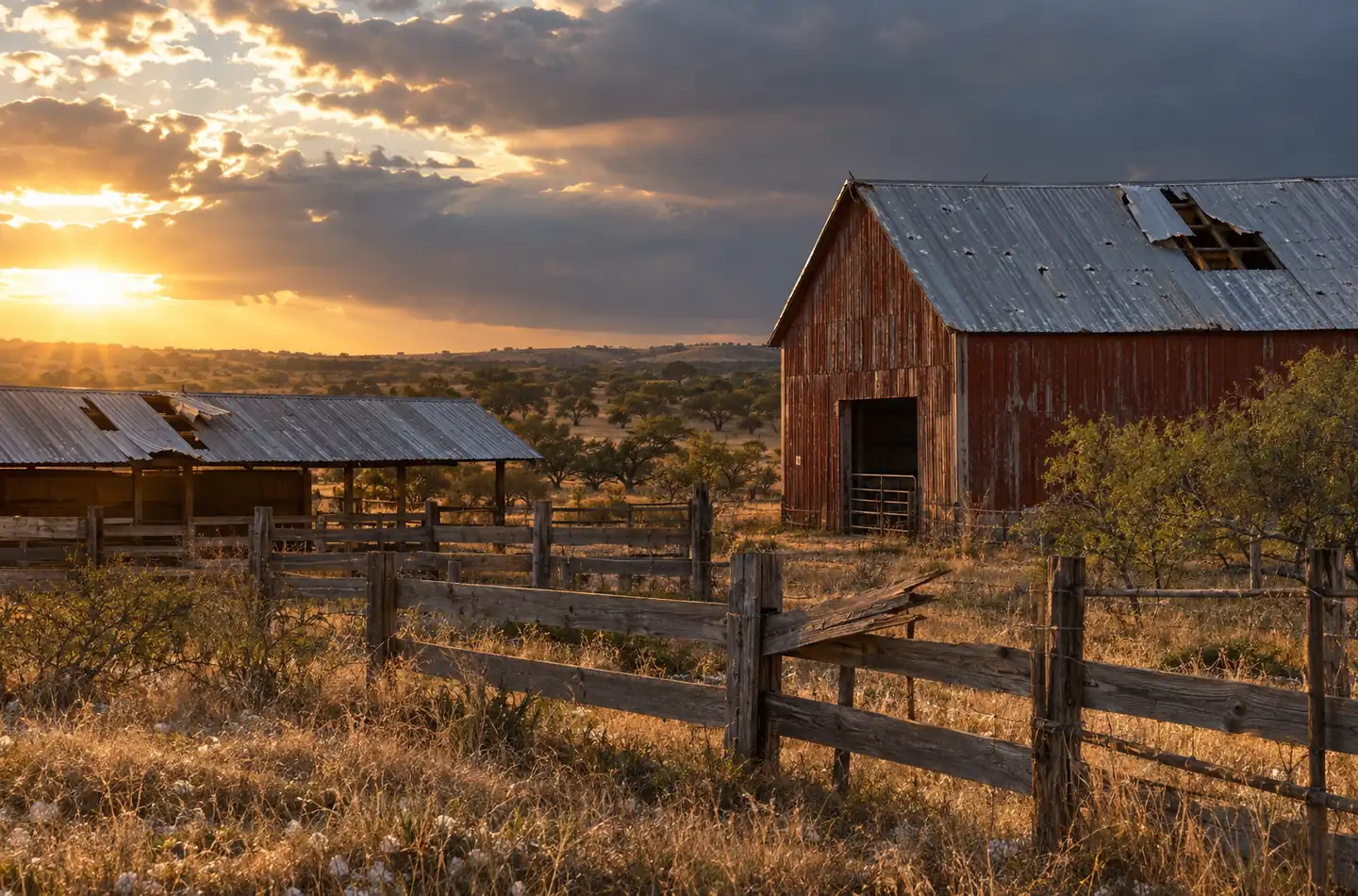
An adjuster for NC farm claims.
North Carolina is one of the nation's largest producers of sweetpotatoes, tobacco, hogs and poultry — and rural claims get scoped the lightest. When we're licensed, farm claims get the same fight as downtown commercial losses.
-
Every structure counts.
Dwelling, barns, poultry houses, hog barns, silos, fencing and equipment — not just the farmhouse.
-
Depreciation games on ag buildings.
Older barns get actual-cash-value math. We fight for full replacement cost where the policy allows.
-
Rural losses get under-inspected.
Metro-based adjusters miss acreage damage. We walk the whole property.
What North Carolina policyholders need to know.
→ You can complain to the state
If your insurer lowballs, stalls or denies you, file a complaint with the NC Department of Insurance. After a declared disaster, NCDOI can also open free disaster mediation for residential amount-of-loss disputes — it ran the program for Helene.
→ Public adjuster fees are capped after catastrophes
NC law caps public adjuster fees at 10% of the settlement after a declared catastrophic incident, and no public adjuster may charge you anything before your claim settles. (NCGS § 58-33A-60)
→ A 3-year legal clock
The standard NC fire policy generally requires any lawsuit against your insurer within three years of the loss. Your policy controls the exact deadline — confirm it with an attorney.
→ Appraisal is built into most policies
Disagree with the amount of loss? Most NC property policies include an appraisal clause: each side hires an appraiser, and a neutral umpire breaks the tie. Check your policy for the exact process.
Questions about your rights in North Carolina?
Join the NC Priority ListThis is general information, not legal advice. Statutes and policy terms control — confirm the specifics of your situation with an attorney.
Four NC markets, one launch plan.
Our rollout starts where NC's claims are.
Charlotte
Hail, wind and storm claims in the state's largest metro — plus the growth corridor around it.
Coming Soon
Raleigh-Durham
Wind, hail and water losses across the Triangle's homes, townhomes and commercial corridors.
Coming Soon
Wilmington & Coast
Hurricane, named-storm and beach-plan claims — the coast's own rulebook.
Coming Soon
Asheville & Mountains
Flood, water and storm recovery in the region Helene hit hardest.
Coming Soon
Hurricane & flood claim guides, written for owners.
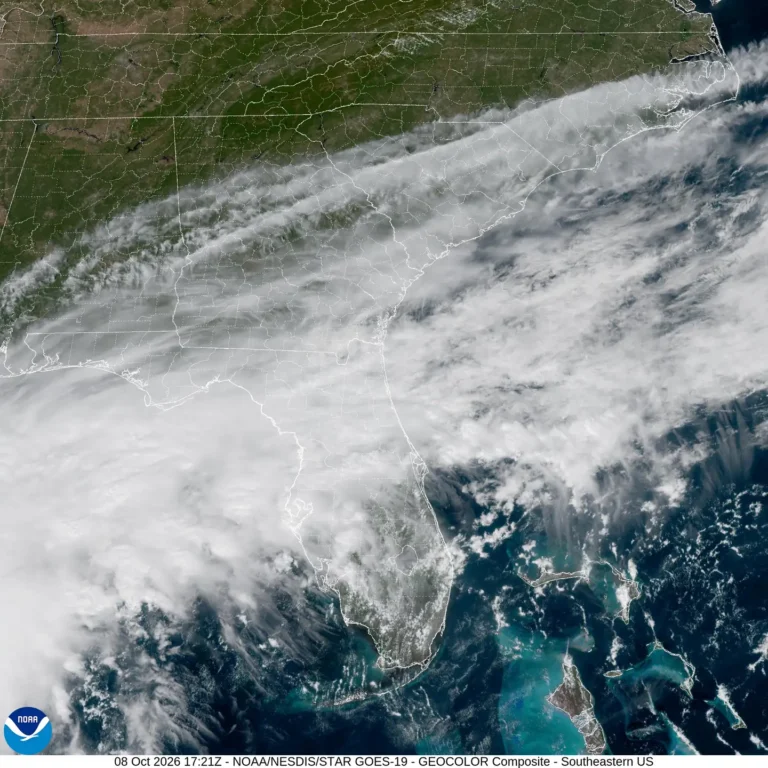
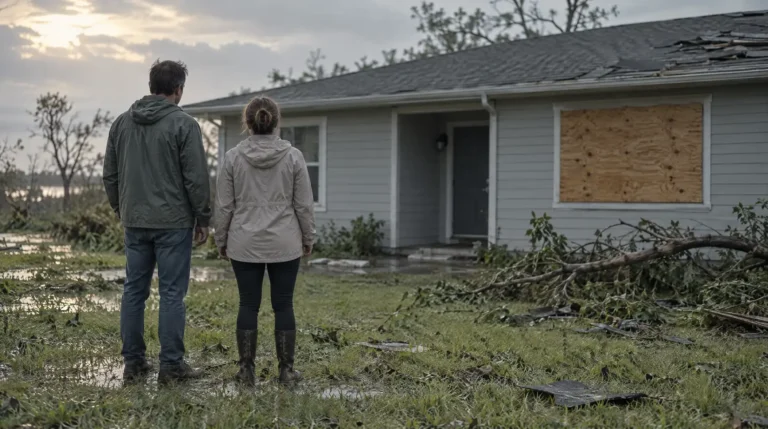
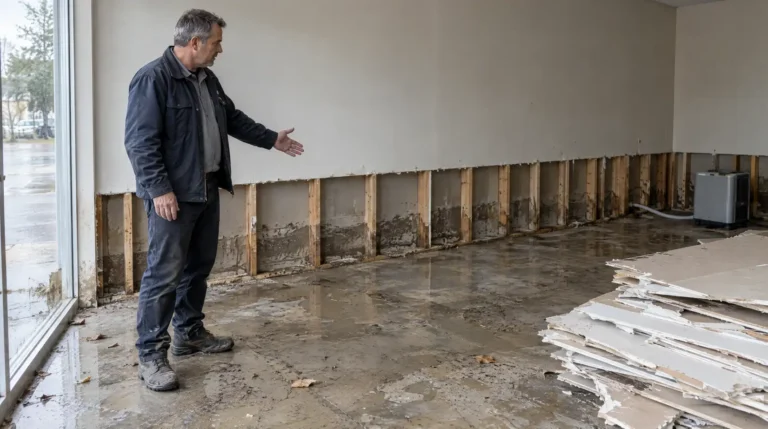
Meet our North Carolina lead public adjuster.

Taylor Bezek
As General Manager at JustClaims, Taylor Bezek leads our North Carolina launch, serving policyholders statewide from the coast to the mountains once licensure is complete. A multi-state licensed public adjuster, he has handled complex hurricane, hail, flood, wind, and fire losses, with deep experience in commercial and large-loss property. Taylor founded his own firm before joining JustClaims to scale a tech-forward approach for policyholders, pairing claims expertise with AI to drive faster, clearer, and fuller settlements. He works only for policyholders — never the insurance company — and holds public adjuster licenses in states including Texas, Florida, Georgia, Minnesota and Washington.
North Carolina public adjuster FAQs.
It's a separate, higher deductible that applies when damage comes from a named storm or hurricane, and it's usually a percentage of your dwelling coverage rather than a flat dollar amount — for example, 1% of $300,000 in Coverage A means $3,000 out of pocket. The trigger conditions and exact percentage are printed on your policy's declarations page, so check there first. In some coastal areas, wind coverage is written separately through the Coastal Property Insurance Pool with its own deductible.
North Carolina law says a public adjuster may not charge you any fee, retainer or deposit before your claim settles. On top of that, after a declared catastrophic incident, fees are capped at 10% of the settlement proceeds. Outside of catastrophes, fees are set by the written contract between you and the adjuster — so read it before you sign.
North Carolina's standard fire policy generally requires you to file any lawsuit against your insurer within three years after the loss begins. Your own policy controls the exact deadline and some policies differ, so treat three years as the general rule and confirm your date with an attorney — missing it can end the claim entirely.
It's North Carolina's insurer of last resort for wind and hail coverage in coastal areas, run by the NC Insurance Underwriting Association — an association of insurance companies created by state law, not a state agency. If your homeowners policy excludes windstorm near the coast, the Pool is where that coverage typically comes from, and it has its own deductibles and claim process. You may know it by its old name, the Beach Plan.
No. Standard homeowners policies exclude flood — including storm surge, rising rivers and surface water — which is why so much of Helene's mountain flooding was uninsured. Flood coverage comes from a separate NFIP or private flood policy. Wind damage from the same storm is still a homeowners claim, and the line between wind and water damage is exactly what adjusters fight over.
File online with the NC Department of Insurance at ncdoi.gov/assistance-or-file-complaint — the department's consumer services team reviews complaints, contacts the insurer on your behalf and tracks patterns of misconduct. It costs nothing, and you don't need a lawyer or an adjuster to do it. Have your claim number, policy documents and the insurer's letters ready before you start.
After a declared state of disaster, the NC Insurance Commissioner can activate free mediation for residential property claims where you and the insurer disagree on the amount of loss. A neutral mediator sits down with both sides — it's nonbinding, so you keep your appraisal and lawsuit rights if it doesn't settle. NCDOI activated the program for Hurricane Helene claims.
Our North Carolina public adjuster license application is in progress with the NC Department of Insurance, and we open for NC claims the day it's issued. Join the NC priority list now and you'll be first in line — we'll reach out the moment we can take your claim.
Still have questions? Get on the list.
Join the NC Priority ListBe first in line when JustClaims opens in North Carolina.
Join the NC priority list — it takes two minutes, costs nothing, and puts you at the front when our license is issued.
NC public adjuster license application in progress · No recovery, no fee · Charlotte · Raleigh · Wilmington · Asheville