Denver Hail Damage: What Contractors Need to Do in the First 72 Hours
June 01, 2026
Written by Taylor Bezek
Share


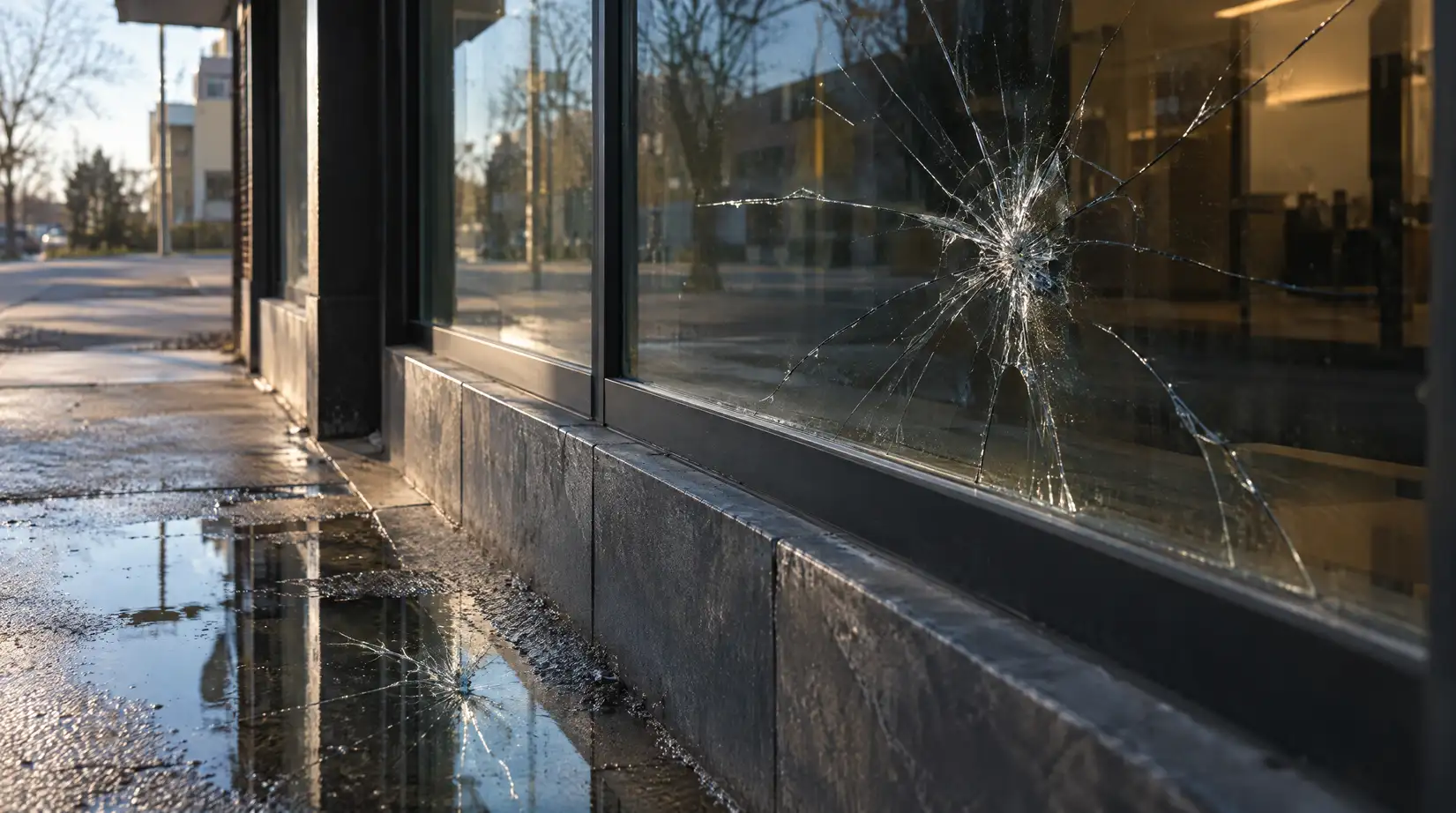
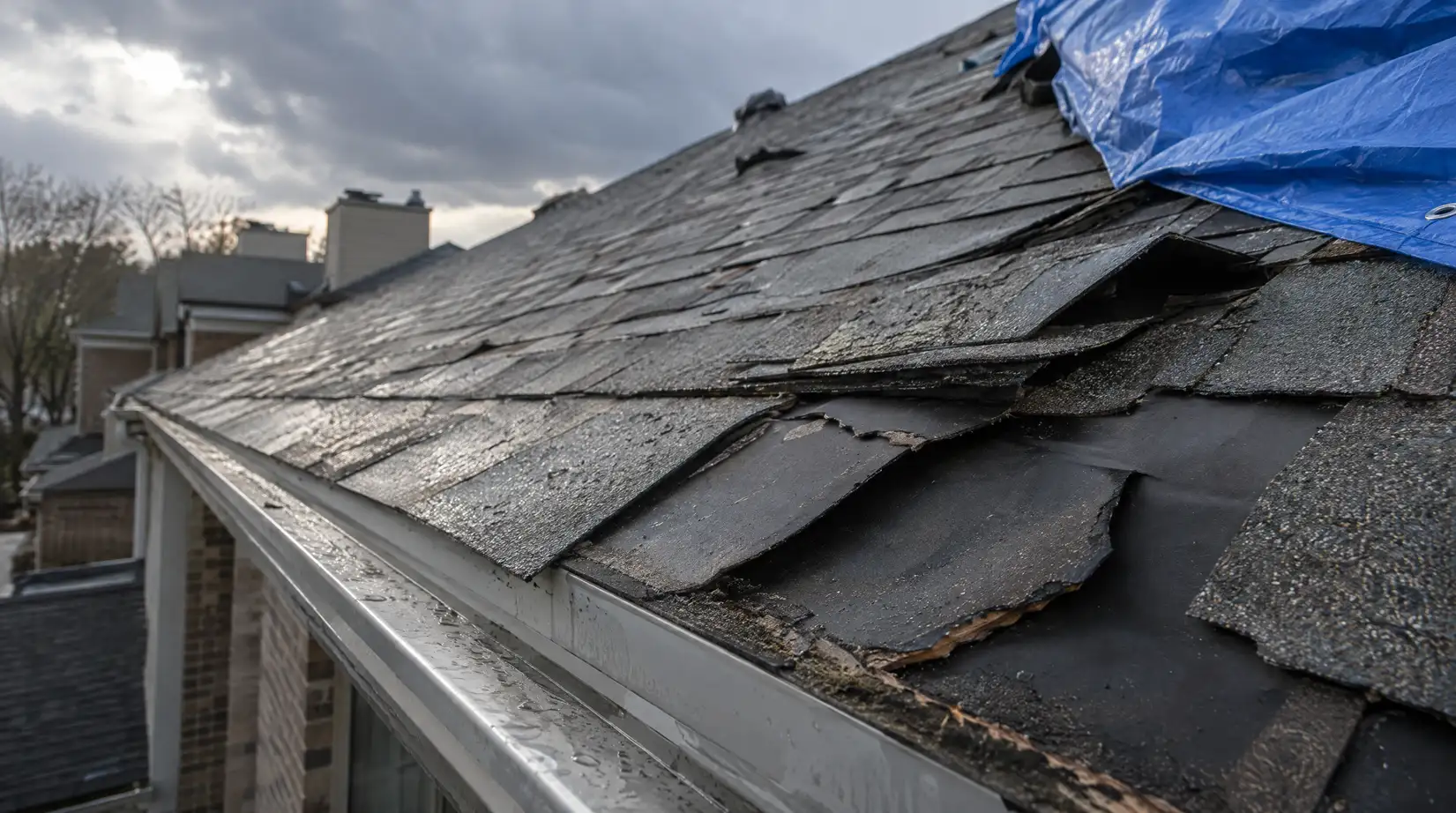
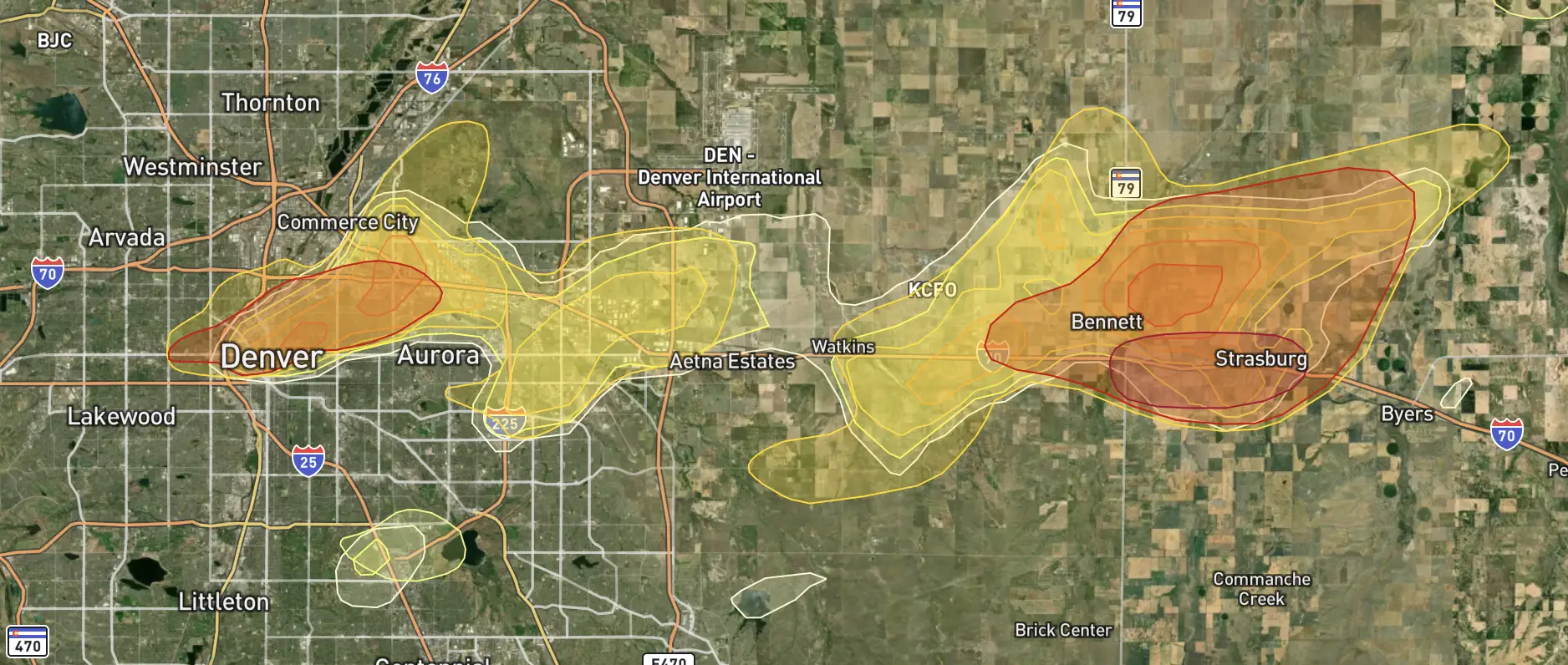
June 1, 2026 marks the unofficial start of hail season on the Front Range. Large hail moved across parts of the Denver metro, potentially damaging roofs, siding, gutters, windows, and vehicles in a matter of minutes. For contractors in roofing, restoration, siding, and exterior work, that means phones start ringing fast and schedules fill up even faster.
What happens in the next 72 hours can have a major impact on whether those jobs are properly scoped, properly documented, and ultimately paid at the level they should be.
Denver Hail Damage: What the Numbers Mean for Contractors
Denver continues to be one of the most hail-exposed metro areas in the country, and Colorado ranks among the most active hail-loss states in the United States. Denver-area storms have produced repeated large-loss events, including a 2024 metro hailstorm that caused nearly $2 billion in damage across Colorado.
According to JustClaims’ internal hail exposure report, Denver County averages $279 million in projected annual hail damage, with 9 to 10 significant hail events per year. The same report places Arapahoe County at $246 million, Jefferson County at $223 million, and Adams County at $169 million in projected annual hail damage. Those internal figures should be read as company research estimates, but they reflect the broader reality that the Front Range remains one of the most active restoration markets in the country.
That creates real opportunity for contractors. It also creates pressure, because insurers and adjusters move quickly after a major storm and the first estimate often shapes the rest of the claim.

Why the First Estimate Shapes the Entire Hail Damage Claim
After a large hail event, carriers typically deploy adjusters quickly, inspect losses, and issue early estimates so reserves can be set and files can move. In practice, those first estimates are often prepared before the full scope is documented by the contractor or policyholder, which means legitimate items may be missing or underpriced.
Once that initial estimate is in the file, it often becomes the working baseline. Supplements are still possible, but each added item usually requires additional documentation, additional follow-up, and additional negotiation.
That is why experienced contractors do not wait until the claim is already stuck. Early documentation and early strategy can change how the file develops from day one.
Five areas that are often under-scoped
Based on claim patterns commonly seen in Colorado hail losses, there are five categories that are frequently missed, under-scoped, or pushed into later supplements. Before the first estimate is signed, avoiding the contractor mistakes that kill hail claims matters just as much as the contractor’s own credentials.
- Code and ordinance items. Roof replacement work may require items beyond what was previously installed, including components such as drip edge, ice-and-water protection, and ventilation-related upgrades depending on the structure and applicable code. These items are often not fully captured in the first estimate unless they are documented and supported early.
- Hidden substrate damage. Decking and related damage may not be visible until tear-off begins. When that happens, the claim often shifts into a supplement discussion unless the possibility of concealed damage was documented from the outset.
- General conditions and O&P. Overhead and profit, site protection, project coordination, and cleanup are real costs of completing storm work professionally, yet they are often disputed or narrowed in residential claim handling.
- True like-kind-and-quality replacement. Where materials are discontinued, mismatched, or no longer capable of producing a uniform result, partial repair may not restore the property to a consistent, warrantable condition. Those matching disputes are a recurring issue in hail claims.
- Soft costs and related scope items. Permit costs, engineering, temporary protection, and other necessary project expenses are commonly omitted early and added only after focused documentation.
Colorado gives policyholders real leverage
Colorado law provides meaningful tools when a claim is under-scoped, delayed, or disputed. Under current law, appraisal can address not only the amount of loss, but also causation questions that are part of that loss determination, including disputes over whether damage was caused by a specific hail event rather than wear and tear.
That matters because appraisal is different from full litigation. It is a policy-based process that can often resolve scope and causation disputes more efficiently, and appraisal awards are generally binding as to the amount of loss. Contractors handling Denver hail damage use it to settle scope without litigation.
Colorado also prohibits insurers from unreasonably delaying or denying covered benefits. When that happens, a policyholder may seek two times the covered benefit that was unreasonably delayed or denied, plus reasonable attorney fees and court costs.
What Early Engagement Looks Like for Roofing and Restoration Contractors
The strongest storm claims are usually built before the file hardens around an incomplete scope. That is why many contractors bring in claim support while they are documenting the loss, not after weeks of supplement disputes. The same 72-hour clock runs south of Denver, where hail damage claims in Colorado Springs follow an almost identical pattern.
A more effective early-claim process often looks like this:
- Before the adjuster visit, document the loss thoroughly and submit a complete, supportable scope so the carrier sees the job through the lens of the full damage picture, not just a quick field estimate.
- During the claim, track communications, deadlines, and missing scope items so any unreasonable delay or underpayment is clearly documented.
- If the claim stalls, evaluate appraisal as a practical way to resolve amount-of-loss and causation disputes without waiting for full litigation to unfold.
Contractors handle production. Public adjusters help protect claim value and claim process compliance. That division of labor is exactly what post-loss assignment of benefits used to shortcut — and why the states closed it down.
The case for acting early
Contractors who address claim strategy early are often in a stronger position than contractors who wait until after the first inspection and first estimate are already in place. Early engagement can improve documentation quality, reduce avoidable supplement friction, and create leverage when scope disputes arise.
JustClaims’ internal results indicate that early professional involvement can materially improve claim outcomes versus an insurer’s initial offer. Those outcomes vary based on policy language, property conditions, storm facts, and the quality of documentation, so no specific result should be assumed for every file.
What contractors should do now
If you are working storm claims in the Denver metro after today’s event, the priority is simple: document first, scope carefully, and avoid locking the claim into an incomplete position too early.
A short strategy conversation before the adjuster visit can be worth far more than weeks of back-and-forth after the first estimate is issued. JustClaims is offering free hail damage claim reviews for Denver-area roofing and restoration contractors working this storm, so claim value can be compared against the likely initial carrier approach.
Reach out at partner@justclaims.ai or visit justclaims.ai/partner-program/.
Sources
- Colorado Revised Statutes Section 10-3-1116 — Remedies for unreasonable delay or denial of benefits
- Sutton Booker — Colorado Supreme Court on unreasonable delay/denial remedies
- Hall & Evans — Overview of Colorado statutes 10-3-1115 and 10-3-1116
- Claims Journal — Tenth Circuit finds appraisal can decide causation issues
- Property Insurance Coverage Law — Colorado unreasonable delay statutes
- Property Insurance Law Observer — Tenth Circuit rules appraisers can decide causation
- CPR News — Denver hailstorm in May caused nearly $2 billion in damage
- RMIIA — Hail damage and statistics
- Denver7 / 9NEWS video coverage of Denver metro hailstorm impacts
- JustClaims — Free claim review and company site

Taylor Bezek

As the General Manager at JustClaims, Taylor Bezek brings over a decade of experience managing complex residential, commercial, and large-loss claims. A licensed Public Adjuster in TX (#2125659), FL (#W455048), CO (#769172), and 10 additional states, Taylor founded his own firm before joining JustClaims to scale a tech-forward solution for the insured. He is committed to combining industry expertise with AI to enhance speed, clarity, and outcomes for every policyholder. Taylor's mission is to modernize the public adjusting profession and ensure owners get exactly what they are entitled to.