Introducing Justin: Built for property owners - analyze your insurance policy in under 10 minutes. Always free. Analyze your policy now →

Western Slope Public Adjusters for Wildfire, Flood & Freeze Claims

From Grand Junction and Clifton to Montrose, Durango and Glenwood Springs, a Western Slope property can catch wildfire smoke in July, a burn-scar debris flow in August and a frozen pipe in January — three different losses, three different arguments with the carrier. The adjuster the insurance company sends works for them. We are licensed public adjusters who work only for you: we read the policy, price the full loss, and stay on the carrier until the settlement matches the damage.

  • Licensed Colorado public adjusters serving Grand Junction, Montrose, Durango, Glenwood Springs and the wider Western Slope
  • No upfront cost — our fee comes out of what we recover for you
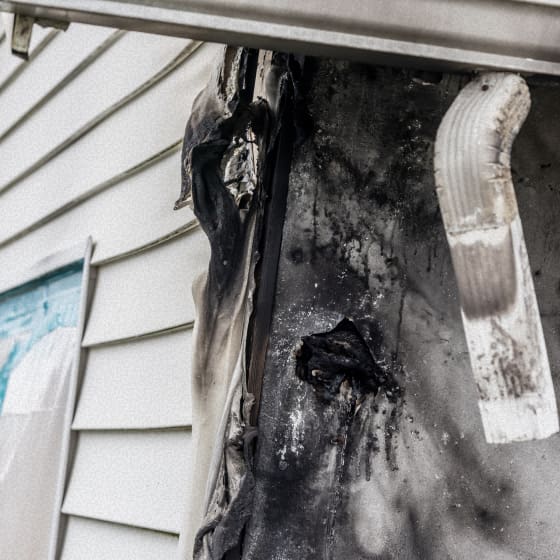
  • Wildfire, smoke, flood, freeze, wind and water losses: new, underpaid, denied or reopened

Free claim review. No obligation.

Get a Free Claim Review

Tell us where your Western Slope property is and what happened to it. The review costs nothing.

    No upfront cost. We only get paid if you recover. Licensed Colorado public adjusters.

    $50M+
    Recovered for property owners
    100+
    Combined years of experience
    3x
    Higher settlements than initial offer
    $0
    Zero upfront cost
    Western Slope areas we serve

    Covering the Western Slope town by town.

    Whether the property is in Grand Junction, Montrose, Durango or Glenwood Springs — or a mountain town in between — the claim review is free. The Colorado office is in Denver; the claims we run are here on the Western Slope.

    Grand Junction Mesa County
    Clifton Mesa County
    Fruita Mesa County
    Palisade Mesa County
    Montrose Montrose County
    Delta Delta County
    Ridgway Ouray County
    Ouray Ouray County
    Durango La Plata County
    Bayfield La Plata County
    Cortez Montezuma County
    Pagosa Springs Archuleta County
    Glenwood Springs Garfield County
    Rifle Garfield County
    Carbondale Garfield County
    Basalt Eagle County
    Aspen Pitkin County
    Telluride San Miguel County
    Western Slope Weather Risk

    One region.
    Three very different claims.

    West of the Divide the losses come in a sequence: fire first, then the flood that follows the fire, then the freeze. Each one triggers a different coverage argument, and each one gets underpaid in a different way.

    Wildfire, smoke and ash

    The Pine Gulch Fire north of Grand Junction was, when it burned in 2020, the largest wildfire in Colorado history. The Grizzly Creek Fire in Glenwood Canyon closed Interstate 70 the same year. Most Western Slope properties touched by those fires never saw a flame — smoke and ash did the damage. Those claims are underpaid by habit: contents cleaning, textiles, ductwork, insulation and sealing all belong in the file, not just a wipedown.
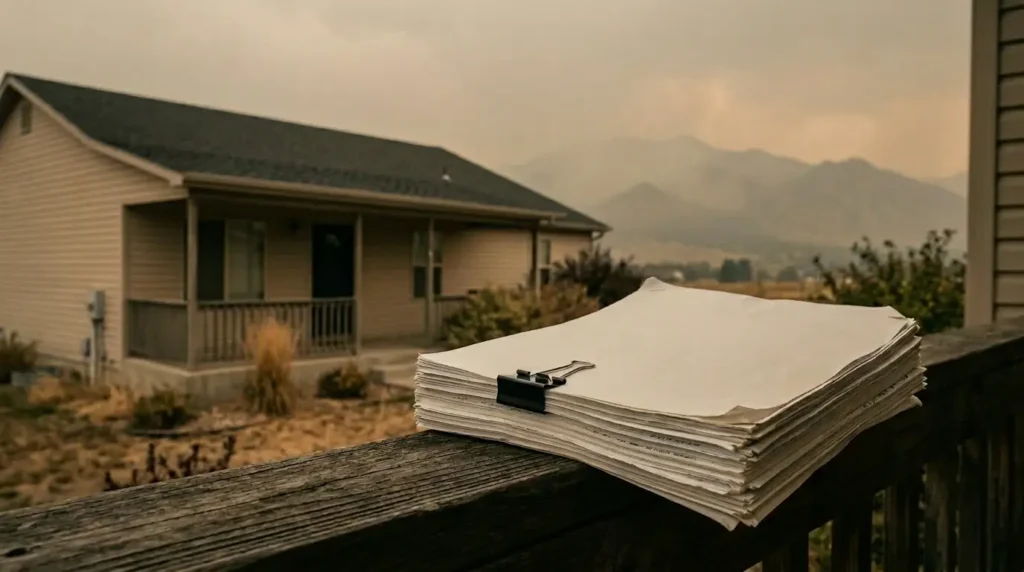
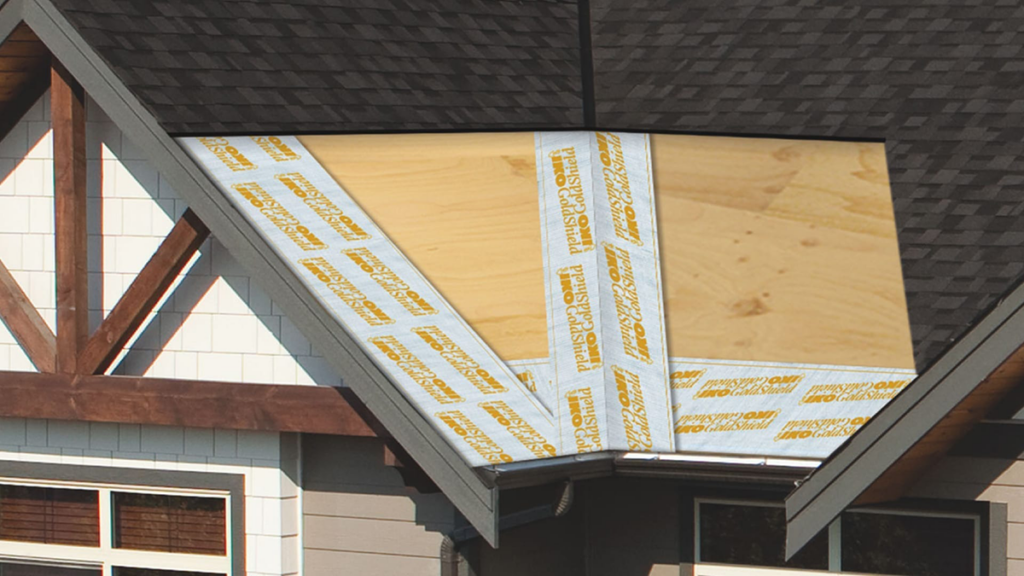
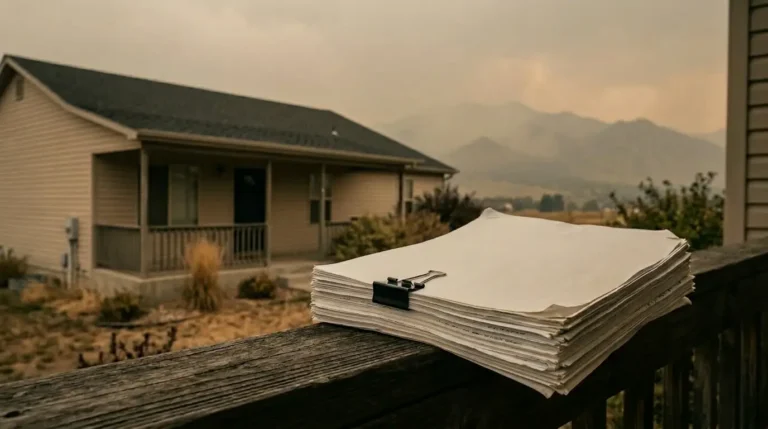
    Insurance documents on porch railing with smoky Colorado mountains — wildfire total loss claim

    Post-burn flood and debris flows

    A burn scar changes the ground. After the Grizzly Creek burn scar cut loose in July 2021, debris flows closed I-70 in Glenwood Canyon repeatedly; the 416 Fire north of Durango in 2018 left the same legacy behind it. When mud and water come through a Western Slope property after a fire, carriers reach for the flood exclusion. Separating wind-driven rain, debris impact and true flood is technical work — and it decides who pays.

    Winter freeze, ice and burst pipes

    Cold snaps at elevation split supply lines, burst fixtures and lift shingles as ice works under them. Carriers reframe these as maintenance or neglect. The cause of loss is provable — weather data, the failure mode of the pipe itself, moisture mapping — and it belongs in the claim from day one.

    How it works

    Three steps. The first one is free.

    You do not need to know what the claim is worth before you call. Working that out is the job.

    contractors-howitworks-01
    Step 1

    Send us the policy and the photos

    Send the declarations page and whatever else you have — photos, the carrier's estimate, a restoration or mitigation invoice, a denial letter. We read the coverage and tell you honestly whether you need a public adjuster at all.

    Start your free claim review →
    contractors-howitworks-02
    Step 2

    We price the entire loss

    We inspect, measure and price the damage at real Western Slope costs — not a Front Range price book — including the hidden moisture, the smoke residue, the code requirements and the line items carrier estimates leave out by habit.

    Start your free claim review →
    contractors-howitworks-03
    Step 3

    We negotiate until the number is right

    We deal with the carrier, the re-inspections and the appraisal process if it goes that far. Nothing is signed off until you approve the settlement.

    Start your free claim review →
    Western Slope insurance claim types

    Claims we handle west of the Divide.

    The loss that costs a Western Slope owner the most usually starts with water — a burst pipe, a roof leak, runoff through a crawlspace. Fire, smoke, wind and the flood that follows fire run close behind.

    Water damage and burst pipes

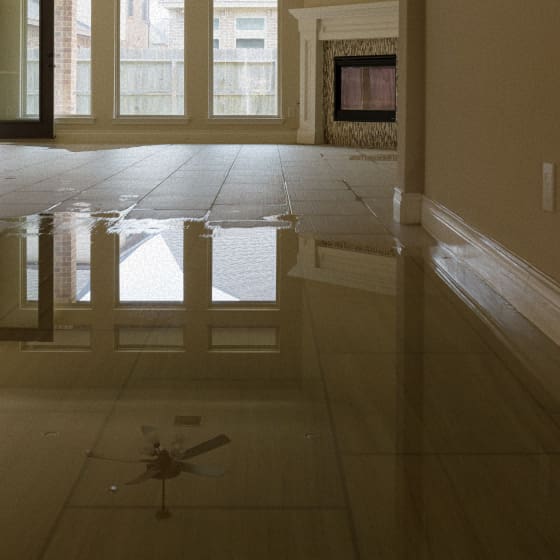
    A split line inside a wall soaks framing, insulation and flooring long before anyone hears it. Water claims in Grand Junction and across Mesa County turn on cause and timeline — documented properly from the first day, or reclassified later as seepage and maintenance.

    Learn more →

    Wildfire, smoke and ash

    Smoke and ash reach properties the fire never touches. Contents, textiles, ductwork, HVAC filtration, sealing and repaint all belong in the claim — a structure that never burned is still a real loss.

    Learn more →
    Flood Damage Insurance Claim Option

    Flood and debris flows

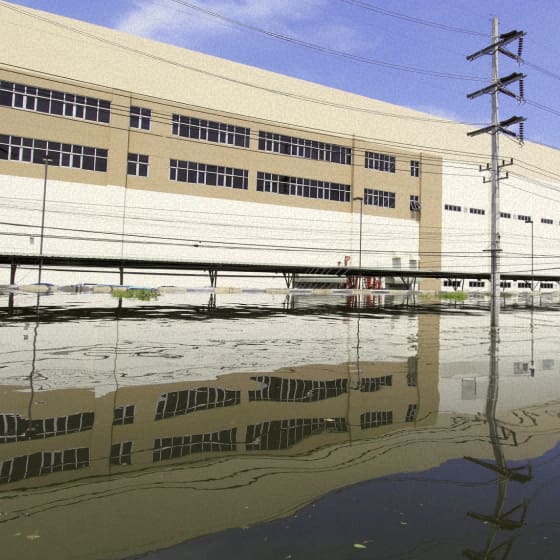
    Burn-scar runoff and flash flooding behave nothing like a burst pipe, and carriers insure them differently. Which water did the damage — and in what order — is the whole argument, and it is provable.

    Learn more →

    Wind damage

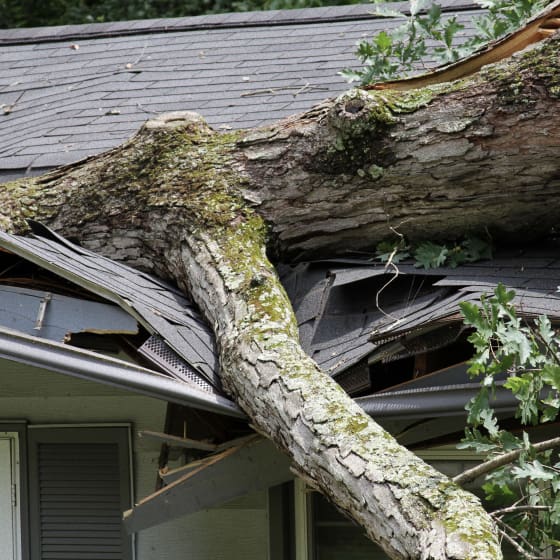
    Wind off the mesas and down the canyons lifts shingles, fascia, gutters and fencing. Wind loss usually arrives attached to another peril from the same event; separating the two correctly is what protects your deductible.

    Learn more →

    Commercial and multi-family

    Lodging, retail, restaurants and light industrial from Aspen to Durango. Business interruption and code compliance are usually the largest omissions from a carrier's estimate.

    Learn more →

    HOA and condo claims

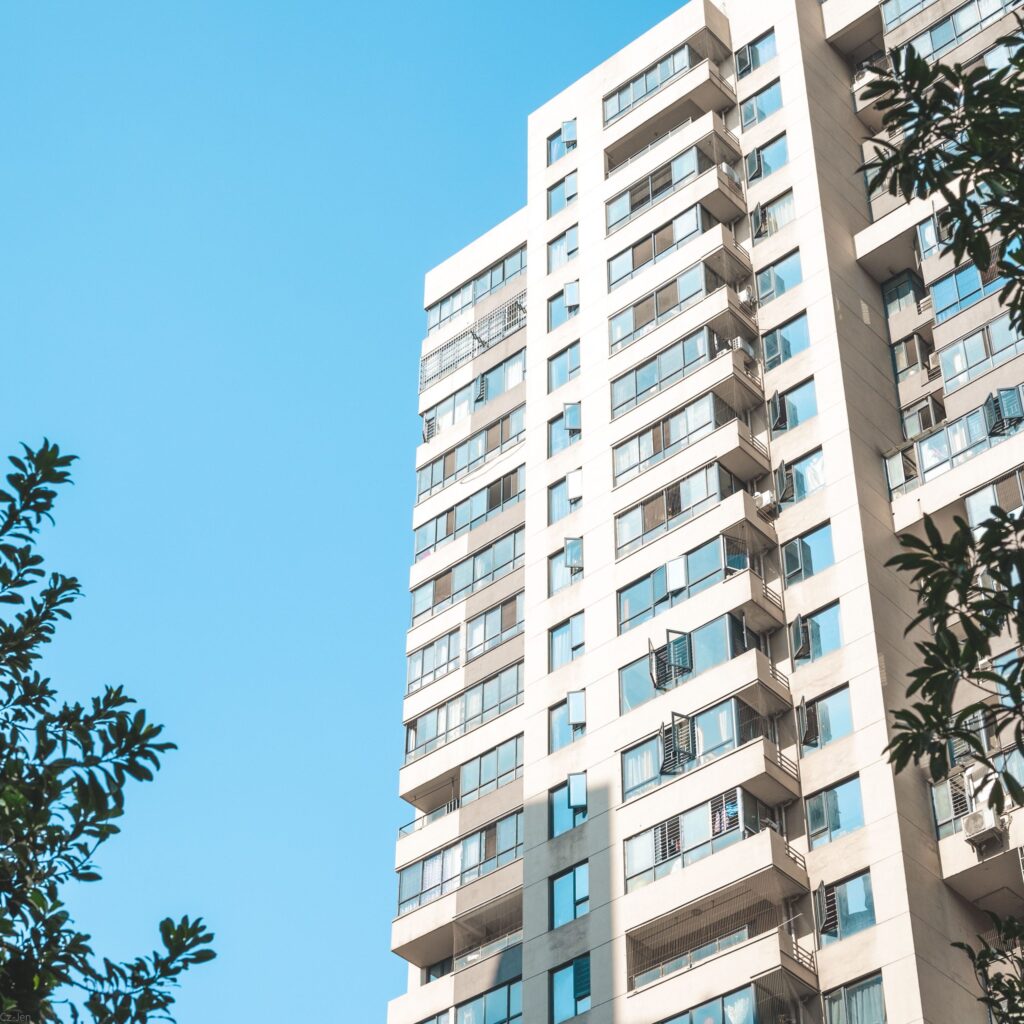
    Mountain condos and townhome associations carry layered coverage — master policy versus unit owner. Multi-building losses have to be documented building by building or the settlement comes in short.

    Learn more →
    Reality of Western Slope Claims

    When the whole region claims at once, you are one file in a queue.

    A canyon fire or a January freeze does not hit one house — it hits a region. Carriers fly in catastrophe adjusters, hand files between desk examiners, and lean on engineers to settle causation. Every one of those people is paid by the company writing your cheque. Meanwhile your property sits four hours from the Front Range offices where those decisions get made, and you are left to read a hundred-page policy and price a rebuild on your own.
    • Smoke and ash exposure dismissed because the structure never burned
    • Burn-scar runoff written off as excluded flood without separating wind-driven rain
    • Frozen pipe losses reframed as neglect or long-term seepage
    • Regional pricing applied to Western Slope labour and materials
    • Withheld depreciation that is never actually released

    Where Western Slope claims come apart.

    Most owners call after the carrier has already taken a position. That is still the right time to call — a decided claim is not a closed one.

    The first cheque will not cover the work

    Underpayment is the normal outcome, not the exception. A fast initial payment that ignores code upgrades, smoke remediation or remote-area labour rates is how a supplement-sized gap opens up — and a supplement is a claim argument, not an afterthought.

    Learn more →

    They called it maintenance, not damage

    Seepage, wear-and-tear and neglect exclusions are the standard way water and freeze losses get refused. A denial is a position built on an assumption about cause; better evidence about cause is what moves it.

    Learn more →

    The file has gone quiet

    Reassigned adjusters, unreturned calls and repeat requests for documents you already sent are how a claim slides past a whole season. Colorado requires carriers to move on a reasonable timeline, and that is enforceable.

    Learn more →

    We have expertise on all building types:

    • Office Buildings
    • Retail & Restaurants
    • Industrial & Warehouse
    • Hospitality & Lodging
    • Healthcare Facilities
    • Multi-Family
    • Religious & Community
    • REITs & Funds

    See what your Western Slope claim is really worth.

    Get a Free Claim Review

    Free review. Colorado-licensed adjusters. No upfront cost.

    Colorado Insurance Law

    What Colorado law gives you.

    The carrier's first letter is a position, not the limit of your rights. This is the part of Colorado law that matters when a Western Slope claim is disputed. General information, not legal advice.

    01

    Verify the licence before anyone gets your signature

    Working a claim for a policyholder in Colorado requires a public adjuster licence issued under state law, and it is verifiable with the Division of Insurance before you sign anything. JustClaims is a licensed Colorado public adjuster.

    02

    Declined coverage is not the end of the road

    If wildfire exposure has made your property hard to insure, Colorado created the FAIR Plan in 2023 — the state's insurer of last resort, set up so that owners declined in the standard market still have a way to carry property coverage. Worth knowing before a loss, not after one.

    03

    Appraisal settles a dispute over amount

    If the loss is accepted but the amount is not, most Colorado property policies carry an appraisal clause either side can invoke — usually faster and far cheaper than litigation. Here is how the appraisal process actually runs.

    04

    Deadlines run against you, not the carrier

    Colorado holds insurers to a duty to investigate and pay fairly within a reasonable time. But the window to act is limited by law and, usually sooner, by the "suit against us" clause in your own policy. Freeze and smoke losses surface late — that is exactly why acting early keeps the options open. More on policyholder rights.

    JustClaims provides public adjusting services, not legal advice. For legal questions, consult a licensed Colorado attorney.

    For Western Slope Contractors

    When the carrier's scope is short, we fix the scope.

    We are not bidding against you. You priced the work correctly; we are the ones who get the file corrected so the work you bid is the work that gets funded.

    Roofers

    A wind season or a big hail year fills the schedule, and then the carrier approves two slopes and a patch. We take the supplement, the re-inspection and the appraisal so the full replacement gets funded.

    Restoration

    Water, smoke and debris-flow mitigation invoices get cut line by line. We document cause of loss, drying logs and code requirements so the file actually supports what your crew did on site.

    General Contractors

    Rebuilds stall on scope disputes and on overhead and profit. We carry the carrier negotiation so your crews are not idle waiting for an adjuster to return a call.

    Colorado Claims Lead

    The adjuster behind your Western Slope claim.

    Reviewed and Verified by

    Taylor Bezek

    Taylor leads claims for JustClaims across Colorado, Western Slope files included. He spent eleven years living in Denver, started his public adjusting career there, and has personally worked close to 1,500 Colorado claims — residential, commercial and large loss — which is where the pattern recognition comes from. He holds a Master's in International Security with a Certificate in Homeland Security from the University of Denver. On Western Slope files that mostly shows up as knowing which causation argument a carrier will reach for first — seepage, neglect, excluded flood — and having the documentation that answers it ready before the letter arrives.

    General Manager at JustClaims Licensed CO Public Adjuster #769172 Nearly 1,500 Colorado Claims 11 Years in Colorado University of Denver Alum

    Western Slope Claim Questions
    Answered by licensed adjusters

    Yes — and it is one of the most commonly underpaid losses on the Western Slope. Smoke moves through soffits, attic vents and ductwork and settles into insulation, carpet, upholstery and clothing; ash is abrasive and acidic. Because nothing visibly burned, the first inspection is often light. A proper smoke damage claim covers professional contents cleaning or replacement, duct cleaning, HVAC filtration, textiles, sealing and repainting where residue has bonded, and air-quality testing where warranted. Get an independent assessment before you clean anything you cannot re-document.

    No. A first payment is the carrier's position, not the ceiling — Colorado claims can be supplemented when the real scope exceeds the initial estimate. The supplement has to be argued, not just submitted: the gap has to be priced line by line, with the code upgrades, smoke remediation and remote-area labour rates the original estimate left out. An underpaid claim and a denied one are solved the same way — with better documentation and a willingness to escalate to appraisal if the carrier will not move.

    Public adjusters in Colorado must hold a licence issued under state law, and the Division of Insurance maintains a public lookup you can check before you sign anything. That check takes minutes and it matters: the licence is what separates a regulated professional, bound by Colorado's adjusting rules, from anyone else offering to handle your claim. JustClaims' adjusters are licensed Colorado public adjusters, and the licence number is on our paperwork.

    They may raise it, and the actual test is narrower than it sounds. Policies generally cover sudden and accidental water discharge, but most contain a freeze provision: if the building is vacant or unoccupied you must maintain heat, or shut off the water and drain the system. The question is not whether you were home — it is whether heat was maintained or the system drained. Thermostat records, smart-home logs, utility data, a house-sitter's account and the plumber's report all speak to it. Start mitigation and document it regardless; slow drying creates a second, avoidable argument about mould.

    That split is the whole case, and it is where these claims get underpaid. Standard homeowners policies exclude flood — rising surface water — which normally sits with a separate flood policy. But a post-fire debris flow is rarely just rising water: wind-driven rain through damaged openings, debris impact, and water that entered before pooling are all treated differently. Carriers tend to label the whole event flood because it is the cheapest reading. The order and path of the water is provable — and who pays for what turns on proving it rather than accepting the label.

    On contingency — a percentage of what is actually recovered, agreed in writing before any work starts. There is no upfront cost and nothing owed if there is no recovery. The percentage varies with the size and complexity of the loss. Our first review is free and carries no obligation: we read the policy and the damage and tell you straight whether representation is worth it on your file. If it is not, we say so.

    Plenty of claims do not need one. If the loss is small, the cause is obvious and the carrier's estimate covers what your contractor quoted, handle it yourself. It is worth a conversation when the offer will not fund the repair, part of the loss has been called maintenance or wear, the cause is disputed, depreciation has not been released, code upgrades are missing, or the file has simply stopped moving. The review costs nothing, so finding out costs a phone call.

    Colorado HQ

    One Colorado office. The whole Western Slope.

    1776 S. Jackson St, Suite 520
    Denver, CO 80210

    Find out what your Western Slope claim is actually worth.

    One conversation, no cost, no obligation. If you do not need a public adjuster, we will tell you that.

    Licensed in Colorado · Contingency fee, no upfront cost · AI-assisted policy analysis · Serving Grand Junction, Montrose, Durango, Glenwood Springs and the Western Slope