Functional vs. Cosmetic Hail Damage: The Fight Carriers Pick Every Time
March 12, 2026
Written by Taylor Bezek
Share


The word “cosmetic” is doing a lot of heavy lifting in the insurance industry—and almost none of it is in your client’s favor.
- Carriers define cosmetic damage as damage that doesn’t impair function. They apply this label far too broadly—and often incorrectly.
- Many policies now include cosmetic exclusion endorsements that require specific documentation strategies to overcome.
- The line between cosmetic and functional is rarely clear-cut—and that ambiguity is where claims are won and lost.
- JustClaims uses impact density data and engineering analysis to make the functional case with evidence, not opinion.
What the Distinction Actually Means
In insurance terms, functional damage affects the ability of a material to perform its intended purpose. For a roof, that means protecting the structure from water infiltration, UV degradation, wind uplift, and temperature extremes. When hail impacts compromise shingle integrity, granule coverage, or the mat layer beneath, that’s functional damage—and it’s covered under virtually every standard property policy.
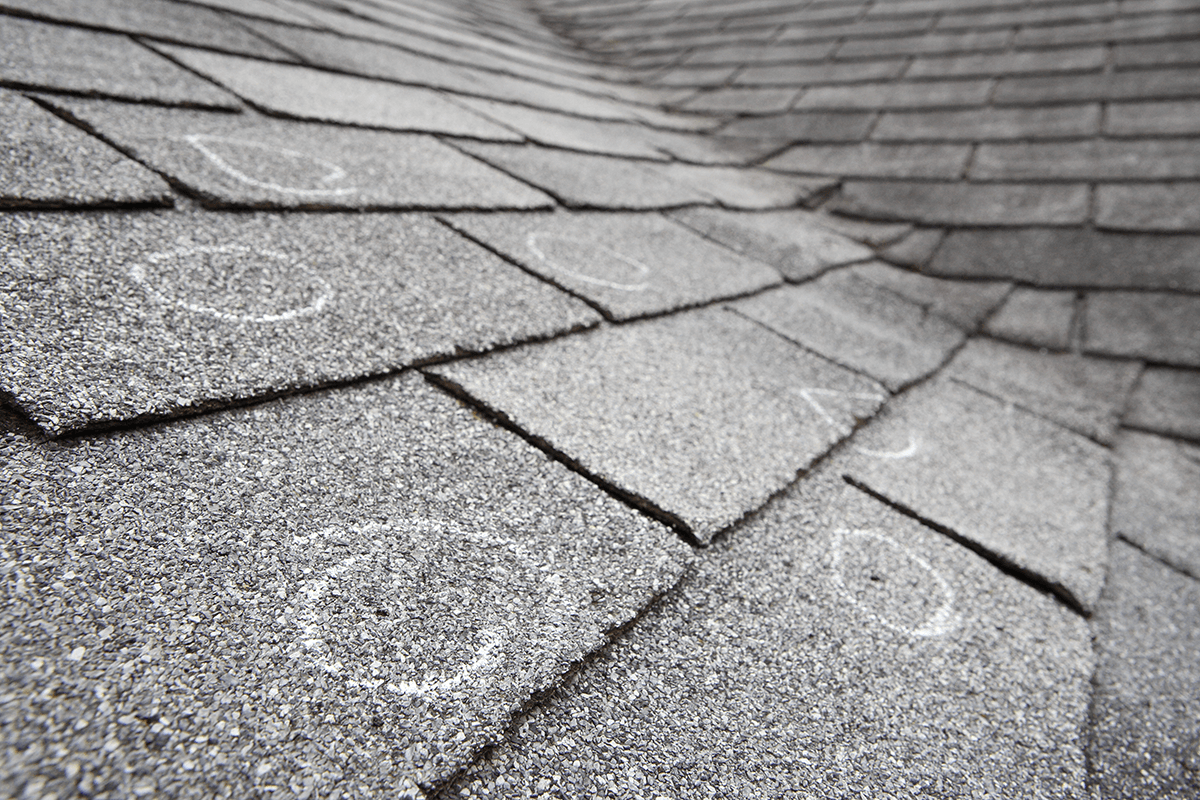
Cosmetic damage, by contrast, affects only the appearance of a material without affecting its performance. Dings on aluminum gutters. Dimples on metal fascia. Surface scuffs. At face value, that distinction is reasonable. The problem is what happens in practice: carriers have become increasingly aggressive about labeling hail impacts on asphalt shingles as “cosmetic” even when those impacts represent a genuine compromise of the roof system’s weatherproofing function. Granule loss, mat bruising, and impact cracking are documented pathways to reduced lifespan and eventual leakage. Calling them cosmetic is not an engineering judgment. It’s a financial one.
How Carriers Use “Cosmetic” to Minimize Payouts
Starting around 2015, major carriers began inserting cosmetic damage exclusion endorsements into homeowner and commercial policies—particularly in hail-prone states. These endorsements create a second tier of damage excluded from coverage even when the cause (hail) is a covered peril. The pattern typically plays out like this:
- Adjuster inspects property post-hail and documents impacts.
- Impacts on roofing materials are classified as “cosmetic bruising” or “surfacing damage only.”
- Carrier issues partial payment or denial citing the cosmetic exclusion.
- Policyholder and contractor are left to dispute a determination that requires engineering expertise to challenge effectively.
What makes this particularly costly is that many policyholders—and some contractors—don’t know the exclusion exists until they’re already in a dispute. The time to understand what a policy says about cosmetic damage is before the storm, not after the estimate arrives.
“If the policy has a cosmetic exclusion, your job as a contractor shifts. You’re not just documenting damage—you’re documenting functional impairment. That’s a different inspection protocol entirely.” — JustClaims Claims Team
Building Your Case: Documentation That Defeats the Cosmetic Defense
The key to overcoming a cosmetic designation is documentation that ties visible impacts to functional consequences. Here’s the evidence stack that works:
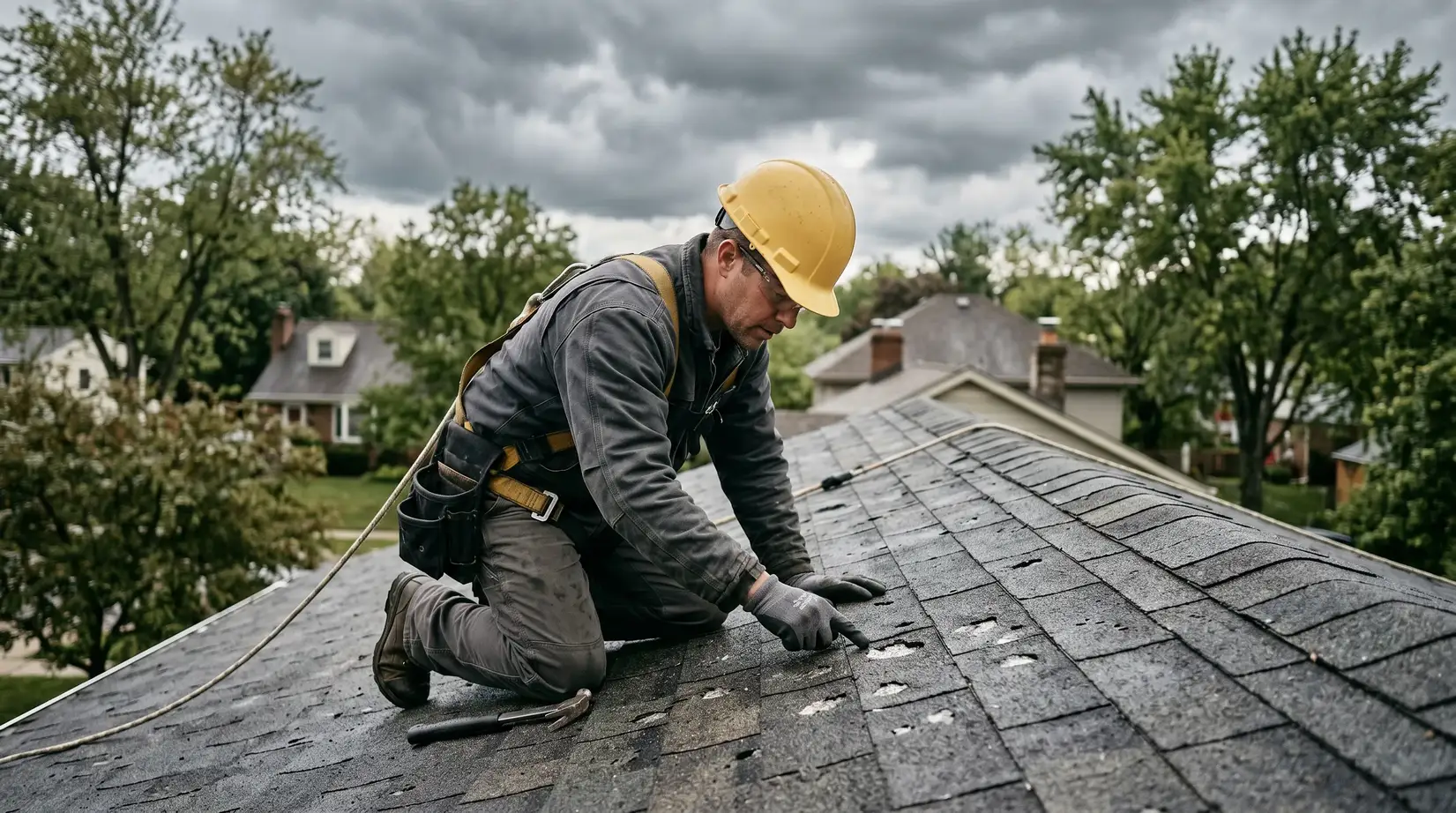
Granule loss quantification. Hail impacts accelerate granule loss on asphalt shingles. Granules protect the mat from UV degradation. Documented granule loss—measured per square foot and compared against manufacturer specifications—turns a “cosmetic” argument into a lifespan argument: fewer granules equals reduced service life equals functional impairment.
Mat bruise testing. Below the granules, hailstone impact can bruise or crack the asphalt mat itself. This is detectable through press testing and cross-section sample analysis—and it is definitively functional damage. If an adjuster didn’t find bruising, ask them to look again, with a contractor and a JustClaims expert present.
Manufacturer warranty cross-reference. Most roofing manufacturers define the conditions that void product warranties. If the documented impact pattern matches a warranty-voiding condition, the roof has lost its manufactured protection. That’s not cosmetic.
| Documentation Type | What It Proves | Best Used When |
|---|---|---|
| Granule loss mapping | Accelerated weathering / reduced lifespan | Any asphalt shingle claim |
| Mat bruise testing | Structural compromise below surface | High-density impact zones |
| Manufacturer specs | Warranty-voiding damage patterns | Newer roofs with active warranties |
| Engineering report | Third-party expert opinion on function | Large claims, appraisal proceedings |
State Laws That Can Override the Cosmetic Exclusion
Not all states give carriers free rein on cosmetic exclusions. Several states in JustClaims’ footprint carry meaningful policyholder protections:
Colorado (SB 10-117): Carriers cannot add a cosmetic exclusion to a policy without the policyholder’s affirmative election of that endorsement. Many Colorado property owners have better coverage than they realize—and carriers know it.
Texas: The Texas Department of Insurance requires clear disclosure of cosmetic exclusions. Contractors should always request the full policy, including all endorsements, before the adjuster inspection.
Minnesota: Minnesota statute requires that functional impact—not appearance—be the standard for hail damage assessment on roofing systems. Cosmetic-only denials have been successfully challenged in MN appraisal proceedings repeatedly.
The bottom line: A cosmetic exclusion is not a wall. It’s a door—and depending on the state, the policy language, and the quality of your documentation, it can be opened. Knowing which key fits is where JustClaims adds value no general adjuster can replicate.
In Summary
The word “cosmetic” should trigger a documentation protocol, not a concession. When a carrier reaches for that label, the right response is better evidence, stronger policy analysis, and—when necessary—appraisal. Contractors who understand this distinction don’t just protect their clients. They protect their own revenue from claims that evaporate because the right argument was never made.
💬 Did your client’s hail claim come back as “cosmetic only”? Let’s review the policy and the documentation before you accept that answer.

Taylor Bezek

As the General Manager at JustClaims, Taylor Bezek brings over a decade of experience managing complex residential, commercial, and large-loss claims. After founding his own firm, Taylor saw firsthand the institutional asymmetry property owners face and joined JustClaims to scale a tech-forward solution for the insured. He is committed to combining industry expertise with AI to enhance speed, clarity, and outcomes for every policyholder. Taylor’s mission is to modernize the public adjusting profession and ensure owners get exactly what they are entitled to.