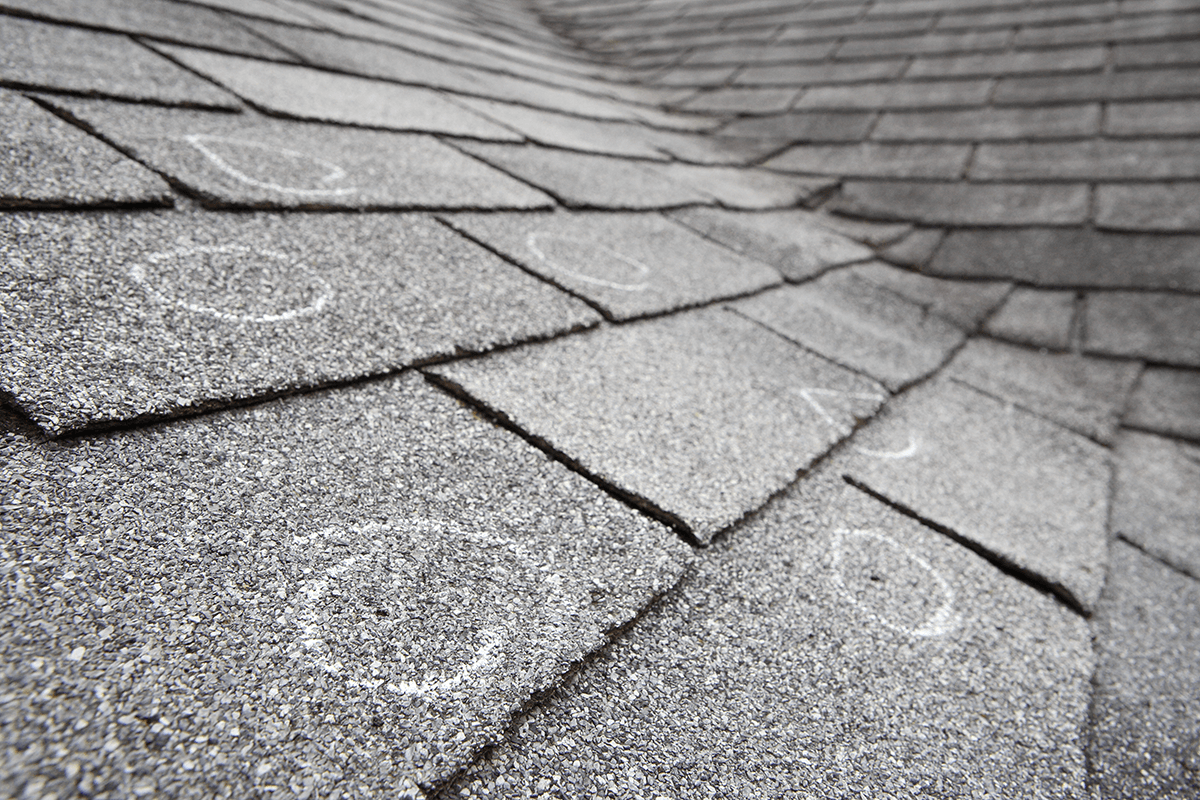
TPO & EPDM Hail Damage: Prove Functional Impairment 2026
May 26, 2026
Written by Ashley McMurry
Share


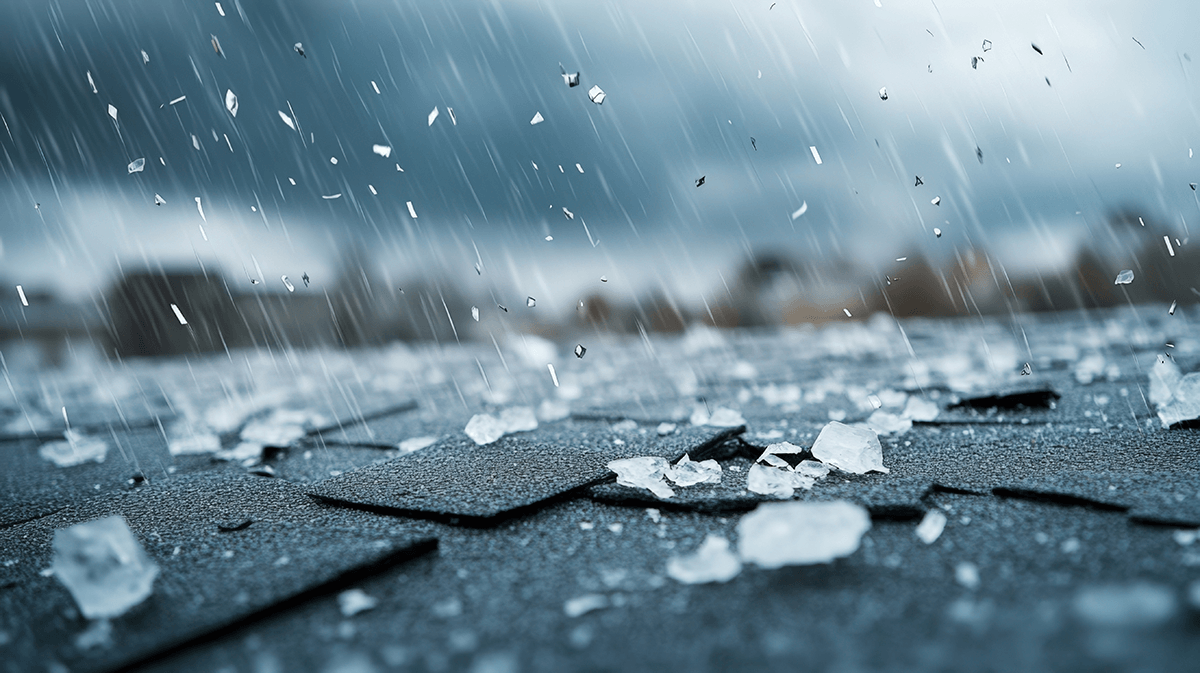
Hail impacts on commercial roofing membranes often leave microscopic damage that adjusters dismiss as cosmetic, but these hidden fractures significantly compromise structural integrity. Small punctures in EPDM and weakened seams in TPO can remain completely invisible until heavy rainfall reveals catastrophic leaks. Proving functional impairment requires identifying specific fracture patterns and insulation indentations before water infiltration destroys the underlying system.
Key Takeaways
- TPO fracture patterns: Look for concentric or star-shaped fractures in the top weathering ply — not surface scuffs.
- EPDM damage indicators: The surface may look intact while the insulation underneath is crushed — tactile inspection is essential.
- Delayed EPDM leaks: Hidden punctures won’t show until the next heavy rain — inspect immediately after the storm.
- TPO structural risks: Hail can micro-fracture welded seams invisibly — probe the seams, not just the open field.
The Functional vs. Aesthetic Damage Distinction
When a hailstone strikes a single-ply membrane, the insurance carrier’s representative often looks for obvious, gaping holes or immediate water intrusion. If the membrane appears intact from a distance, they may classify the impact marks as aesthetic damage that does not warrant replacement under the policy. However, functional impairment occurs the moment the roofing system’s ability to shed water, resist wind uplift, or reach its expected lifespan is reduced.
For commercial contractors and property owners, proving this requires shifting the conversation from surface appearance to structural integrity. Insurance policies typically exclude cosmetic damage, meaning that if a contractor cannot definitively prove that the weathering layer or the underlying substrate is compromised, the claim will be denied. Overcoming this hurdle requires a deep understanding of how different single-ply materials react to kinetic energy and how to document the microscopic failures that adjusters are trained to overlook.
The 3 Inspection Steps That Matter
Because functional impairment on single-ply systems rarely looks like traditional shingle damage, documenting specific membrane failure points is essential for a successful claim. Adjusters often rely on visual walk-throughs that miss the microscopic or subsurface damage inherent to commercial flat roofs. To prove that the system is functionally compromised, contractors must systematically document the specific failure modes unique to each material, utilizing close-up photography, core sampling, and tactile evaluations.
1. Document Concentric and Star-Shaped TPO Fractures
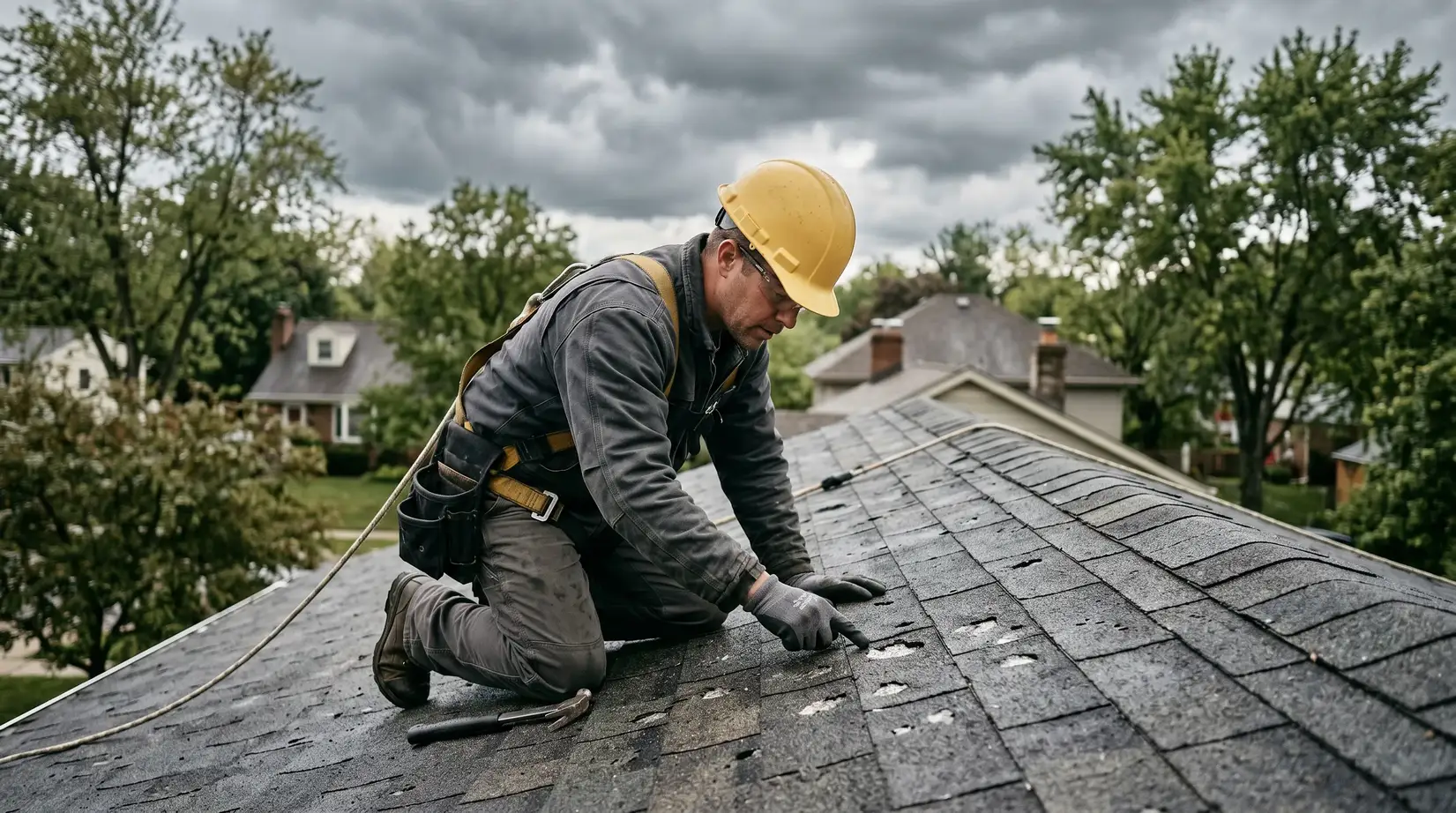
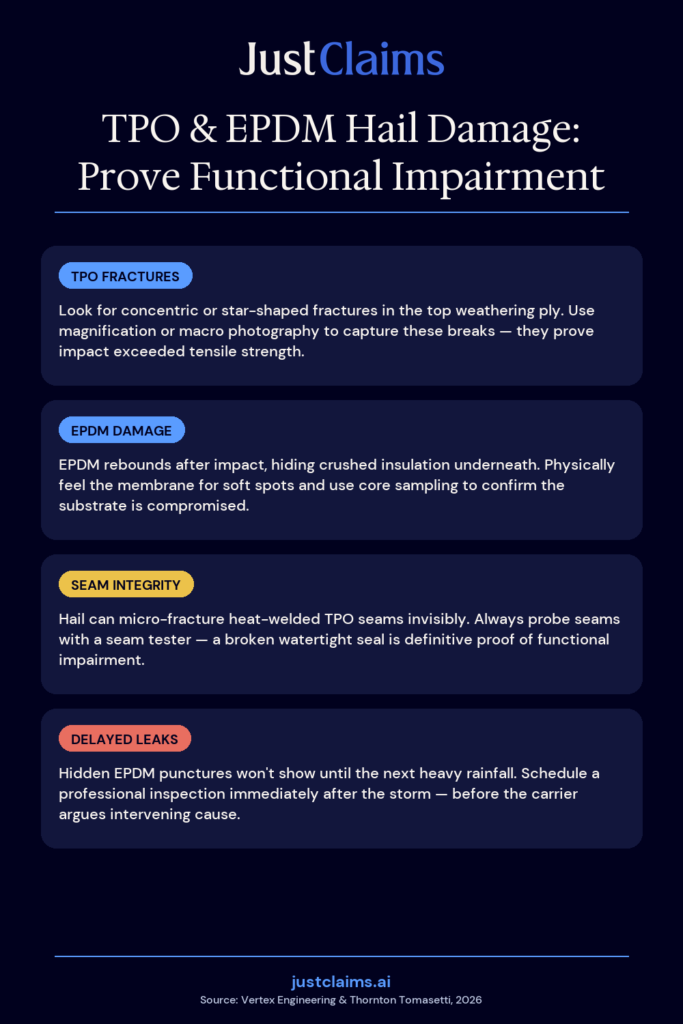
When inspecting Thermoplastic Polyolefin (TPO) systems, surface scuffs are not the primary concern. TPO surfaces struck by hail typically show concentric or star-shaped fractures within the top weathering ply [1] — distinct patterns that confirm the impact exceeded the membrane’s tensile strength. These fractures break the reinforcement scrim or the top weathering layer, allowing moisture and ultraviolet light to degrade the system prematurely. Documenting these specific fracture shapes proves that the impact exceeded the material’s tensile strength, moving the damage classification from aesthetic to functional. Contractors must clean the surface of the TPO and use magnification or high-resolution macro photography to capture these star-shaped breaks.
2. Identify EPDM Insulation Indentations and Micro-Tears
Ethylene Propylene Diene Monomer (EPDM) rubber roofs absorb impacts differently than rigid materials, often masking the true extent of the destruction. Because EPDM rubber rebounds after impact, the surface may appear intact while the rigid polyiso insulation or cover board underneath is permanently crushed — evidenced by indentations and small discrete membrane tears [1] that require hands-on tactile inspection to find. Finding these indentations requires tactile inspections—physically feeling the membrane for soft spots—and core sampling to prove the substrate is compromised. When the insulation is crushed, it creates a void beneath the membrane, making the EPDM highly susceptible to future puncture from foot traffic and compromising the roof’s thermal resistance.
3. Test for Weakened Seams and Membrane Shrinkage
The open field of the roof is not the only area vulnerable to severe weather events. TPO seams are heat-welded together to create a monolithic watertight barrier. The kinetic energy from hail striking these rigid welded seams can micro-fracture the bond [2], producing seam weakness or membrane shrinkage that is invisible on the surface but actively undermines the roof’s resistance to water infiltration. Contractors must physically probe the seams with a seam tester to demonstrate that the watertight seal has been broken. A shattered seam is a clear indicator of functional impairment requiring full replacement, as it leaves the entire roofing system vulnerable to catastrophic wind uplift during the next major storm.
Why Professional Inspections Prevent Delayed Leak Discoveries
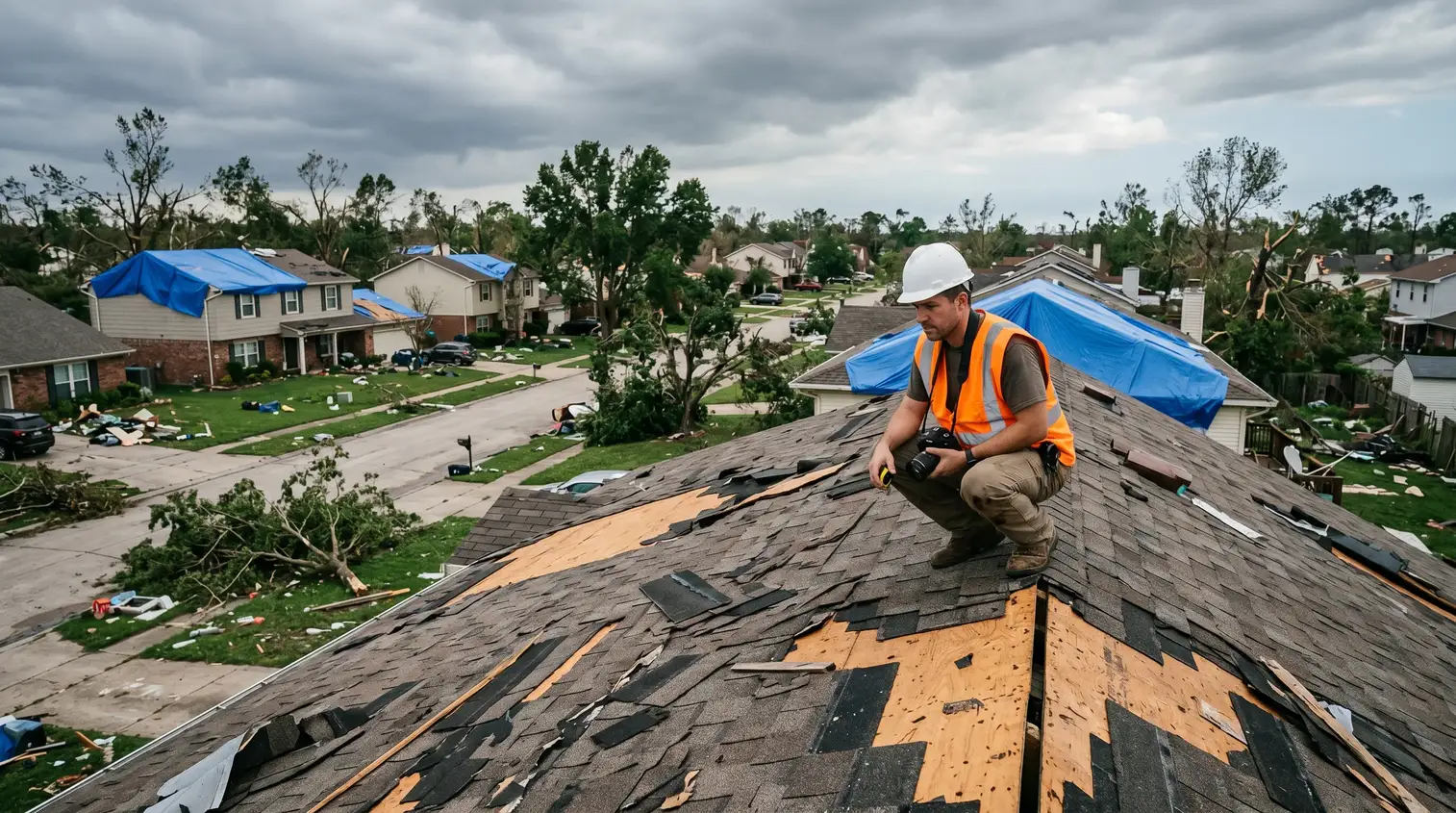
Because membrane damage is notoriously difficult to spot visually, relying on a standard adjuster walk-through often leaves property owners exposed to future water intrusion. Insurance adjusters are frequently dispatched quickly after a storm, evaluating the roof before the true consequences of the impact materialize. Small hail punctures in EPDM membranes can remain hidden until heavy rainfall reveals leaks, making professional inspections crucial for identifying functional impairment [2].
By the time a leak becomes visible inside the commercial building, the water has already saturated the insulation, rusted the metal decking, and potentially damaged interior assets or inventory. Commercial roofing contractors must utilize advanced diagnostic tools, such as infrared moisture surveys and high-resolution close-up photography, to identify these hidden punctures immediately after the storm. Waiting for heavy rainfall to prove the roof is leaking allows the carrier to argue that the damage was caused by subsequent events, wear and tear, or lack of maintenance, rather than the initial hail event. Proactive, professional inspections establish a direct timeline between the storm and the functional failure, removing the carrier’s ability to deny the claim based on delayed reporting or intervening causes.
Frequently Asked Questions
How does hail damage appear on a TPO roof?
Hail damage on TPO roofing membranes typically presents as concentric, circular fracture patterns or star-shaped fractures within the top ply [1]. These specific fracture shapes indicate that the impact was severe enough to break the material’s weathering layer, which constitutes functional impairment rather than mere cosmetic wear.
Why is EPDM hail damage hard to identify?
EPDM hail damage is often evidenced by indentations in the underlying insulation boards and small discrete tears in the membrane, which can be difficult to detect with the naked eye [1]. Because the rubber material stretches and rebounds after a hail strike, the surface may look intact while the rigid insulation system underneath is crushed and compromised.
Can hidden EPDM punctures cause long-term issues?
Yes, small hail punctures in EPDM membranes can remain hidden until heavy rainfall reveals leaks, making professional inspections crucial for identifying functional impairment [2]. If left unaddressed, this hidden damage allows water to slowly saturate the insulation, leading to severe interior water damage and biological growth.
Does hail affect the seams of a TPO roof?
The kinetic energy from hail striking heat-welded TPO seams can micro-fracture the bond [2], producing seam weakness or membrane shrinkage that is invisible on the surface but actively undermines the roof’s resistance to water infiltration. Adjusters must inspect and probe the welded seams, not just the open field of the roof, to properly assess the full scope of functional damage.
How to Secure Your Commercial Claim
When adjusters attempt to classify severe membrane impacts as mere aesthetic wear, having the right evidence is the only way to protect the property owner’s investment and ensure the roofing system is properly restored. Contractors must look beyond the surface, utilizing tactile inspections, seam probing, and core samples to reveal the true extent of the structural damage before hidden leaks destroy the building’s interior. If your commercial roof claim was denied for aesthetic reasons, JustClaims‘ AI reviews your policy language and flags underpayments before you dispute.
This content is for informational purposes only and does not constitute legal or insurance advice.
Sources
[1] https://vertexeng.com/insights/test-your-claims-knowledge-hail-damage-to-roofing-membranes/
[2] https://www.thorntontomasetti.com/news/how-hail-affects-different-types-roofing-materials