


Did they underpay your claim?
Lowball estimates and missed damage, especially water that spreads between units. We rebuild the number from the actual loss and document the full scope independently.
In the Bronx, most property losses start inside the walls: a burst riser in a pre-war six-story or a failed supply line in a two-family. By the time the damage is visible it has usually crossed into other units, and that is exactly where carriers undercount. We document the full loss and negotiate it for you.
 Licensed by the New York Department of Financial Services. JustClaims, LLC License #PA-1994667
Fees capped at 12.5%. No fee unless you recover.
Co-op and condo board experience. We work with boards and managing agents directly.
We only get paid when you do.
Tell us about your property and damage. We'll review at no cost.
No upfront cost. We only get paid if you recover. Licensed New York public adjusters.
The carrier's playbook on New York claims is to pay less than you're owed, stretch out the timeline, or say no and wait. Regulation 64 sets the deadlines. We hold them to it.
Lowball estimates and missed damage, especially water that spreads between units. We rebuild the number from the actual loss and document the full scope independently.
Silence, re-inspections, endless requests. We keep the file moving and hold the carrier to the Regulation 64 claim-handling timelines.
A denial isn't the end. We review the policy, document what's covered, and re-submit with independent evidence. New York requires carriers to put a denial in writing.
Co-op & Condo Buildings
Pre-war & Multi-Family
Office Buildings
Retail & Restaurants
Hospitality & Lodging
Mixed-Use & Ground-Floor Retail
Healthcare & Institutional
Managing Agents & REITs
Free review. NYC experts. No upfront cost.
Three steps, no upfront cost, and you stay in the loop the whole way.
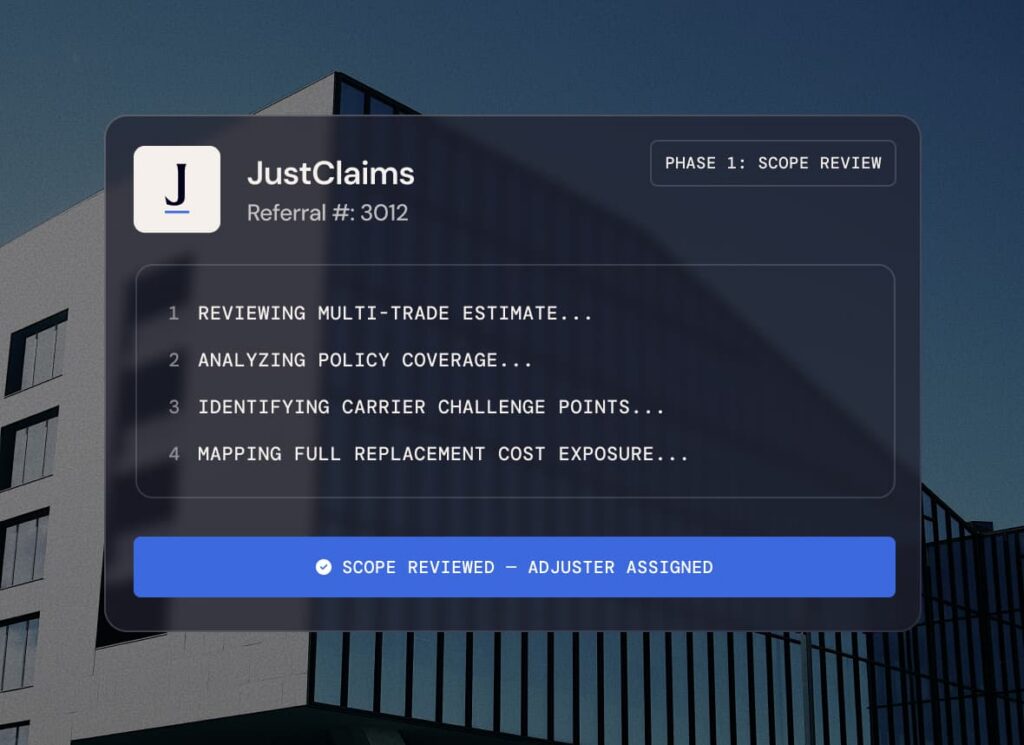
First you tell us about your property and the damage: what happened, when you noticed it, and what the carrier has said so far. Photos of the affected units and common areas are enough to start. The review is free and there is no obligation.
Start your free claim review →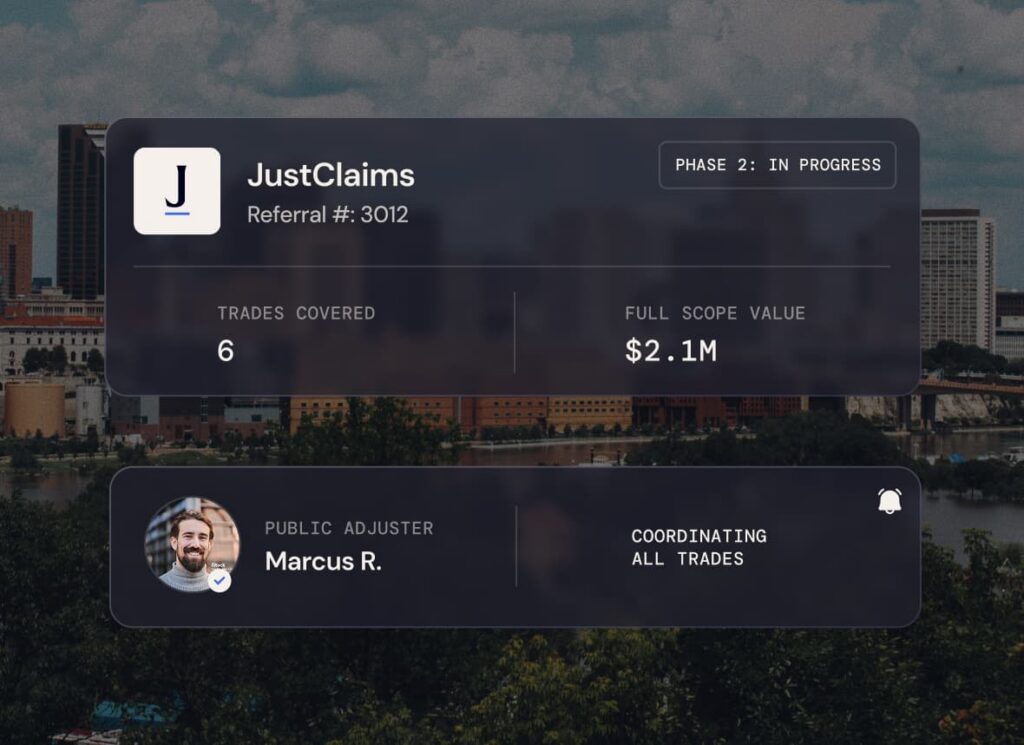
Next we assign a dedicated public adjuster who works New York claims. They inspect and document the loss independently, read your policy line by line against the building's master policy, and build the estimate the carrier should have written.
Start your free claim review →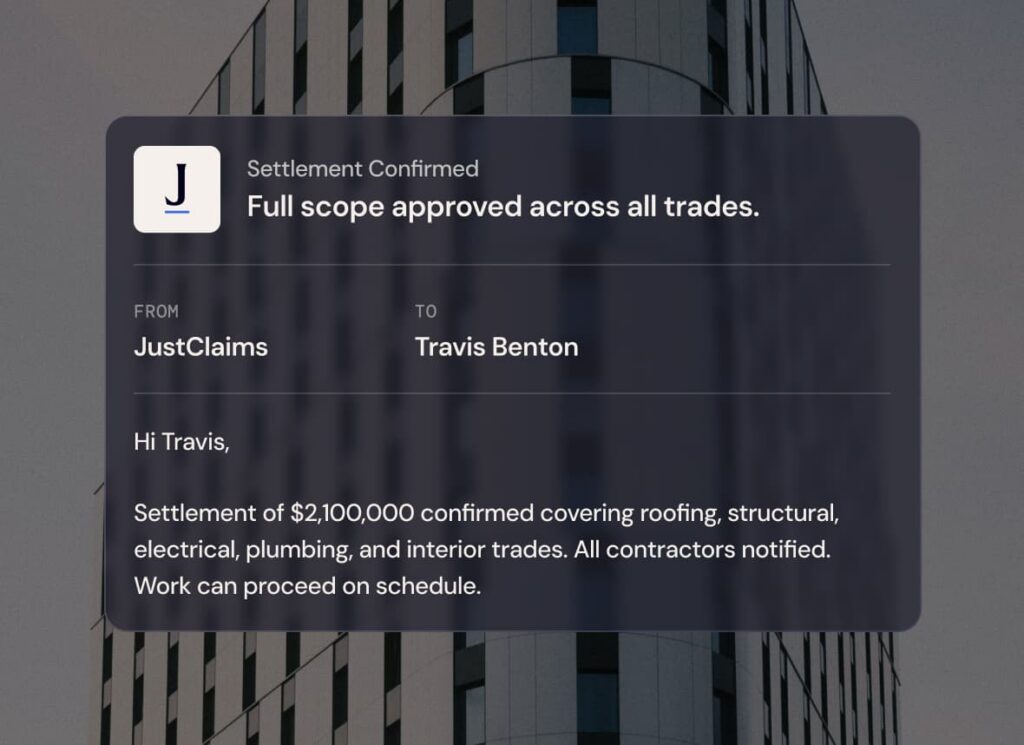
Last, we drive the claim to resolution. We present the documented scope, answer the carrier's requests, hold them to the Regulation 64 timelines, and negotiate until the settlement reflects the actual loss.
Start your free claim review →From multi-family and mixed-use buildings to retail and two-family homes, water and fire to flood and denial, we cover the full range of Bronx losses.
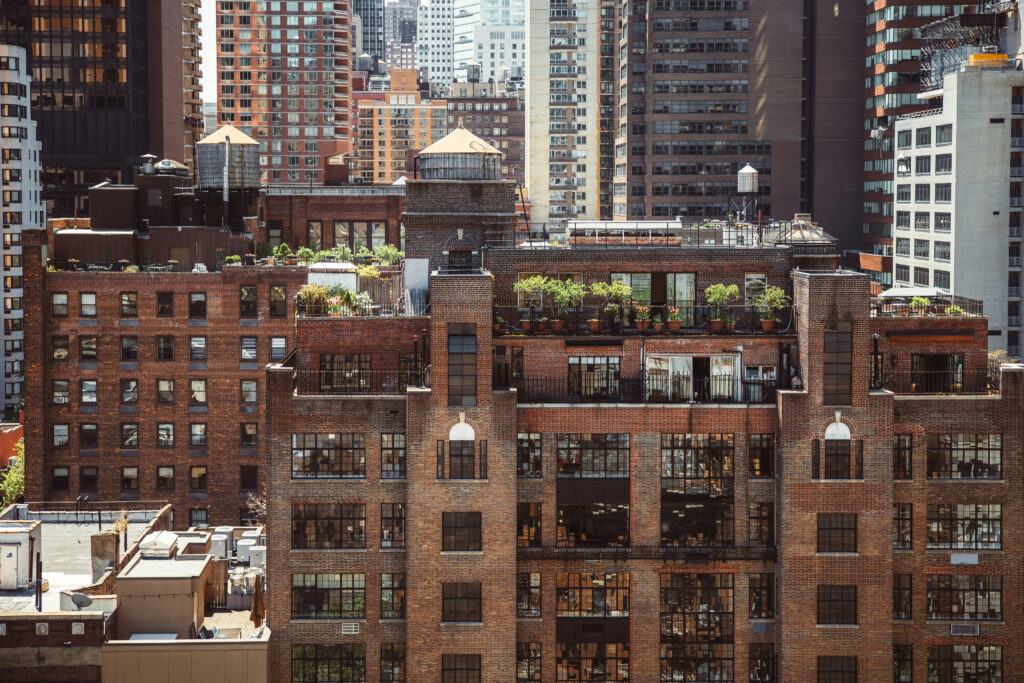
Risers, boilers, and shared systems mean one failure touches many units, and the carrier prices only the first room. We document every affected unit and the common areas.
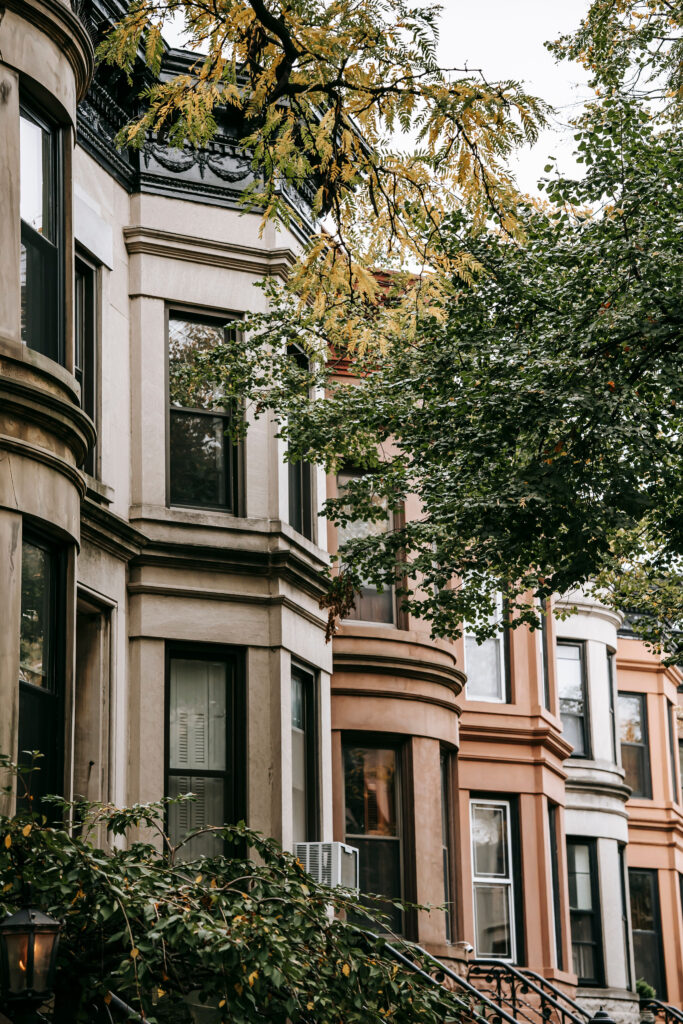
Attached construction means your neighbor's fire or water becomes your damage. We trace the full path and establish the covered cause.
Business-interruption and code-upgrade costs left out of the carrier's estimate entirely. We put them back in.

Lost income and contents undervalued, with scope cuts on the build-back. We rebuild the number from the actual loss.

From Throgs Neck to City Island, wind versus flood causation and the NFIP versus policy coverage split. Flood claims carry their own proof-of-loss rules and deadlines.
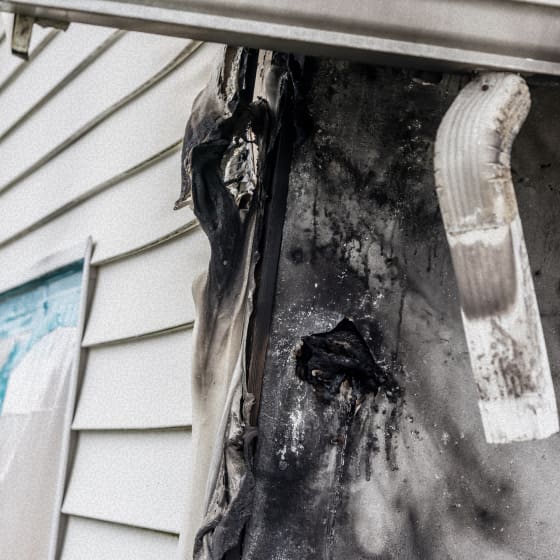
Kitchen fires, electrical fires, and smoke that travels the stack. We document the burn, the soot, and the firefighting water as one covered loss.
A Bronx loss is rarely contained to one unit. Who owns the damage, which policy responds, and how the scope gets counted all depend on the building. Here is where we spend most of our time.
We work directly with boards and managing agents. A single water loss can touch a dozen units plus the common areas, and the master policy versus unit-owner split is where offers come in low. We document the whole building, not just the room where the water was first noticed.
Original risers, aging supply lines, and stacked plumbing mean one failure travels. Carriers frequently reclassify that as long-term maintenance to avoid a sudden-and-accidental payout. We establish the cause and the date of loss with independent documentation.
Ground-floor retail beneath residential floors, shared building systems, and a business-interruption claim running alongside the property claim. Code-upgrade costs and lost income are the two line items most often missing from the carrier's estimate.
Licensed public adjusters experienced with New York City claims
Multi-family, co-op, and condo claims across the Bronx's older housing stock
We work directly with landlords, boards, managing agents, and commercial owners
We work exclusively for policyholders, never for insurance companies
New York gives policyholders more leverage than most carriers volunteer. Here is the part that matters when your claim is undervalued or stalled.
New York public adjusters are licensed and regulated by the Department of Financial Services. Licensing requires a $1,000 surety bond, a 40-hour prelicensing course, and a state exam. You can verify any adjuster through the DFS license lookup.
New York caps public adjuster fees at 12.5% of the recovery (11 NYCRR §25.7, Regulation 10). The fee must be in writing, and you may cancel the contract by midnight of the third business day after signing. No recovery, no fee.
Your insurer must acknowledge your claim within 15 business days, and accept or reject within 15 business days after it has your proof of loss and the items it requested. Extensions require written reasons, and an agreed settlement must be paid within 5 business days.
Under §2108, a public adjuster must disclose any financial interest in a repair or restoration firm they refer you to - we have none. And under §2601, carriers are barred from unfair claim practices, including unreasonable delay and underpayment.
This is general information, not legal advice. Statutes and fee rules change. Confirm the specifics for your situation.
Contractors and managing agents are some of our best partners. We quarterback the insurance claim, keep you in the loop, and stay out of the repair work. New York requires a public adjuster to disclose any financial interest in the restoration - we have none, so the arrangement stays clean and compliant.
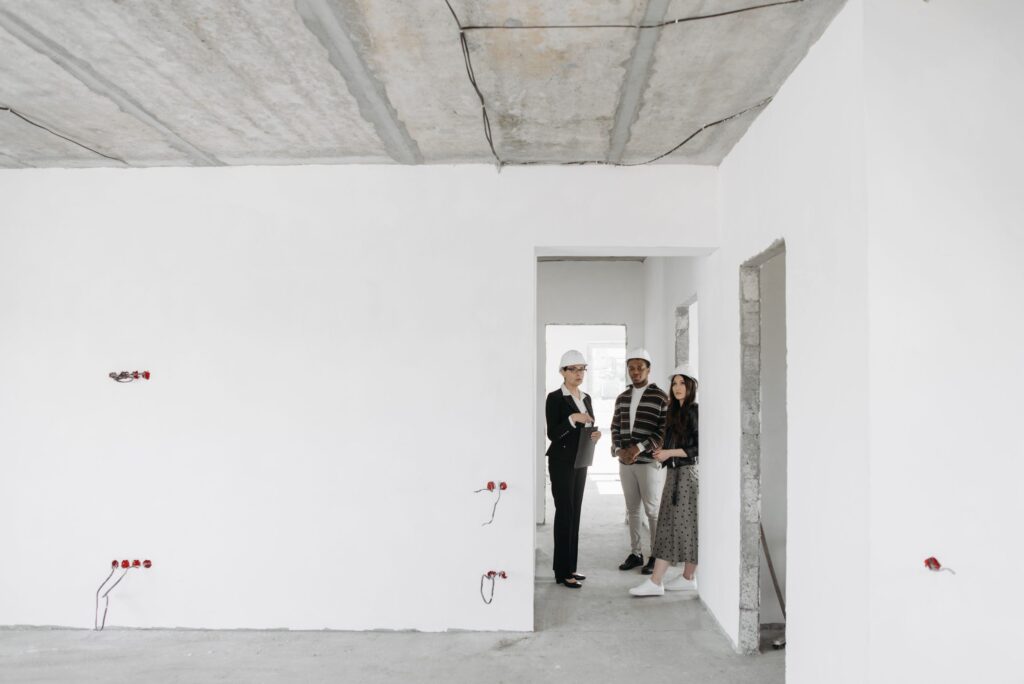
Water mitigation, fire and smoke restoration, mold remediation, and emergency response firms working New York City buildings.

Commercial builders, multi-family renovation firms, riser and supply-line specialists, and large-loss rebuild teams.
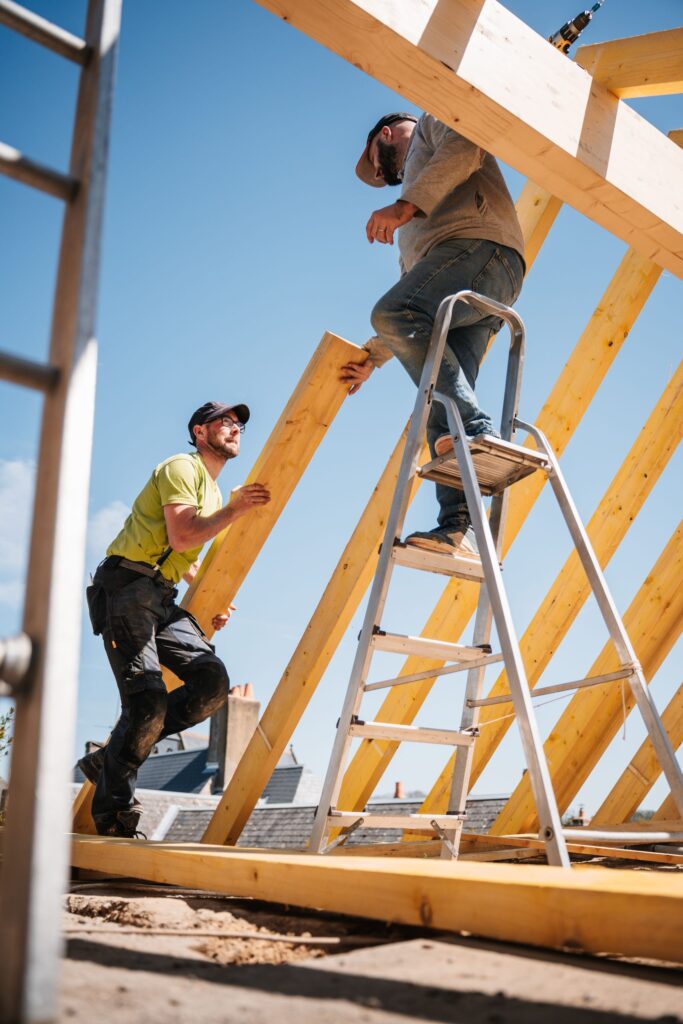
Roofing, exterior, and facade contractors, including Local Law 11 remediation and parapet and setback repairs.
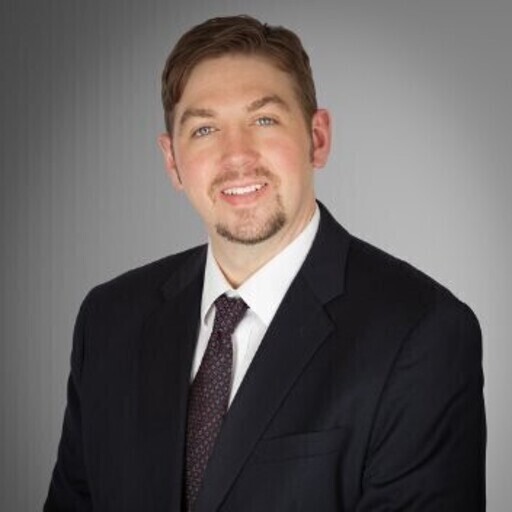
Collin Corcoran is an experienced public adjuster and property claims specialist, licensed in New York (#1603393), New Jersey (#3003700204), and Connecticut (#19820270). With 20+ years of hands-on construction and property damage experience, he specializes in residential and commercial claims, complex loss inspections, policy review, detailed estimating, and strategic negotiation.
Collin's background in construction, asset management, emergency response, and claims documentation allows him to accurately identify damage, understand repair requirements, and advocate effectively for policyholders. He works with co-op and condo boards, managing agents, homeowners, business owners, and contractors to move claims forward with clarity, accuracy, and confidence.
He is committed to transparency, technical precision, strong communication, and securing fair outcomes for policyholders.
Our New York team covers the Bronx end to end, from Riverdale and Kingsbridge through Fordham, Mott Haven and Morrisania, Hunts Point and Soundview, to Pelham Bay, Throgs Neck, City Island and Co-op City, plus Manhattan, Brooklyn, Queens, Staten Island, and Long Island. We work with co-op and condo boards, managing agents, landlords, commercial owners, and homeowners. If your property is in the five boroughs or on Long Island, we can review your claim at no cost.
Age makes the fight harder, not automatically lost. Policies cover sudden and accidental discharge, and carriers lean on "long-term deterioration" to reframe a burst as neglect. The question is evidence: when the break was discovered, what the plumber's report says, and whether earlier seepage existed. We document the timeline and the sudden failure, and challenge the wear-and-tear position with the carrier's own adjuster findings.
Yes, in most policies. Damage caused by firefighting efforts — water, foam, and the access holes firefighters cut — is part of the fire loss, not a separate event. The dispute usually starts over scope: how far the water migrated, which finishes need replacing, and whether mold treatment is included. We map the full migration path so the settlement covers every floor the water reached.
Usually one occurrence, which is normally to your advantage: a single deductible instead of one per unit. The catch is the opposite risk — carriers sometimes split losses to apply multiple deductibles, or lump separate events into one to cap a limit. We review the cause-of-loss facts and press for the occurrence treatment that costs you the least.
Not automatically. Most policies restrict coverage after 30 or 60 consecutive days of vacancy, mainly for vandalism, water damage and glass — but the exact vacancy clause, when the clock started, and whether you had a vacancy permit or endorsement all matter. We read the clause against the actual timeline and push back when a carrier stretches "vacant" past what the policy says.
Most landlord and commercial property policies include loss of rents (fair rental value) coverage for the period the units are uninhabitable, up to the policy's time limit — often 12 months. Carriers routinely shorten the restoration period or dispute the rent basis. We document the actual repair timeline and the rent roll so the income side of your loss is paid, not just the bricks.
Your policy likely includes debris removal, and many carry an ordinance or law endorsement that responds when a DOB or FDNY order forces demolition of undamaged portions. The fight is usually over which endorsement applies and whether the limit is enough. We read the orders against your endorsements and document both the demolition and the code-required rebuild scope.
It only takes a few minutes. No upfront cost. We only get paid when you do.
Licensed by the New York Department of Financial Services — JustClaims, LLC License #PA-1994667 · Contingency fee capped at 12.5% · No upfront cost


