Introducing Justin: Built for property owners - analyze your insurance policy in under 10 minutes. Always free. Analyze your policy now →

Long Island Public Adjusters

On Long Island, the worst losses come off the water: hurricanes, nor'easters, storm surge, and the wind-driven rain that follows. When the carrier underpays, delays, or denies your Nassau or Suffolk County claim, our public adjusters step in. We document the full loss and negotiate directly with the insurer for what you are rightfully owed.

  • Licensed by the New York Department of Financial Services. JustClaims, LLC License #PA-1994667
  • Fees capped at 12.5%. No fee unless you recover.
  • Nassau & Suffolk coastal claim experience — hurricane, flood, and nor'easter losses.

We only get paid when you do.

Get a Free Claim Review

Tell us about your property and damage. We'll review at no cost.

    No upfront cost. We only get paid if you recover. Licensed New York public adjusters.

    $50M+
    Recovered for property owners
    100+
    Combined years of experience
    3x
    Higher settlements than initial offer
    $0
    Zero upfront cost
    Long Island storm risk

    Hurricanes, nor'easters, and storm surge —
    the coast shapes the claim.

    Long Island takes the full force of Atlantic storm systems, from Sandy-style hurricanes to winter nor'easters. The more routine these losses get, the more carriers lean on the wind-versus-flood line to underpay them. Documentation is what changes that.

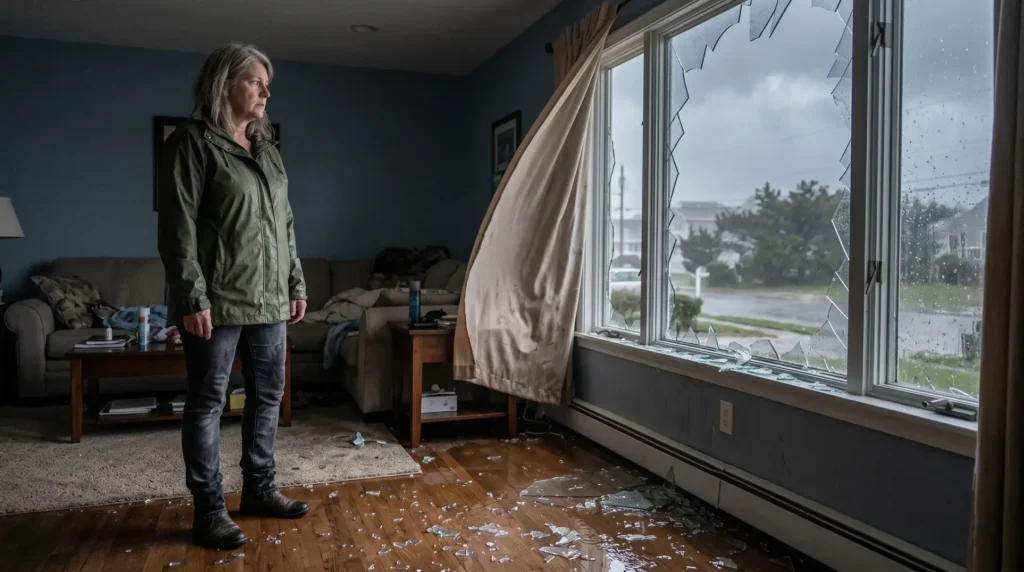
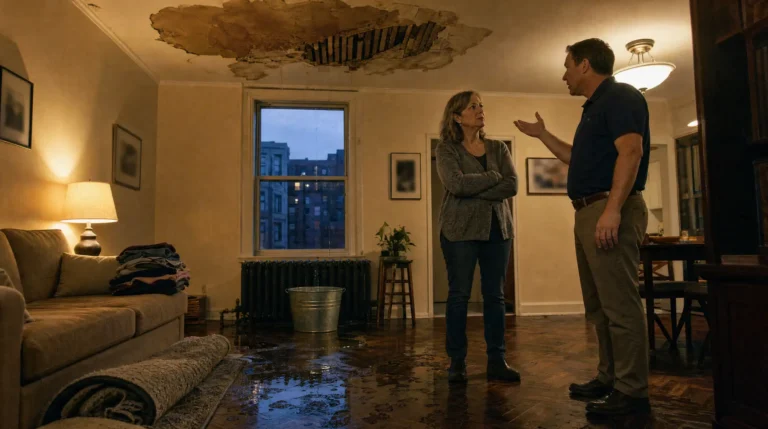
    New Jersey homeowner surveys wind-driven rain damage inside her coastal home after a nor'easter

    Hurricane & tropical storms

    Long Island's hurricane exposure is not theoretical — Sandy put much of the South Shore underwater, and tropical systems keep brushing the coast. Wind damage is covered under a standard homeowners policy, but carriers still dispute what the wind actually did. Independent documentation settles that argument.

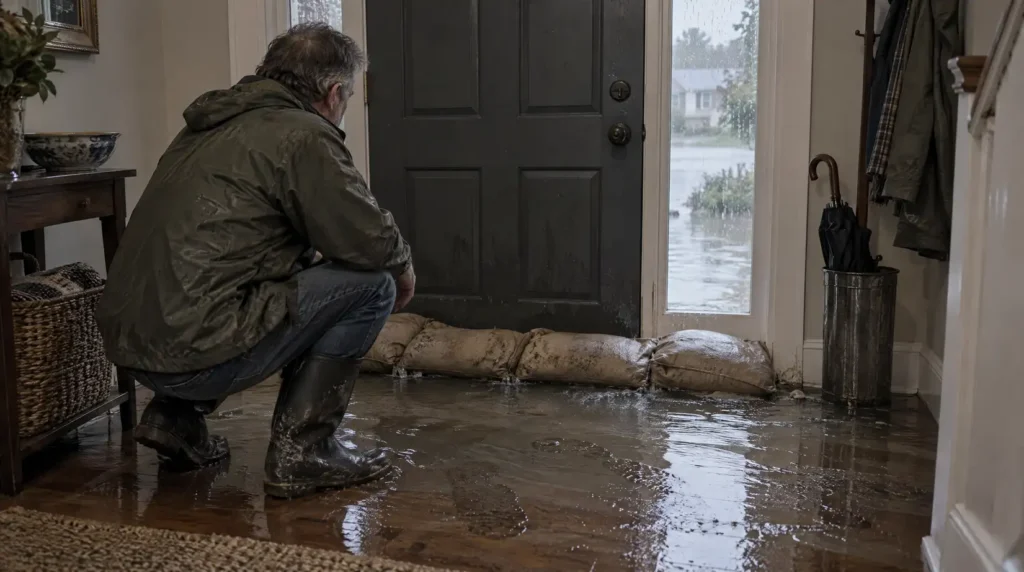
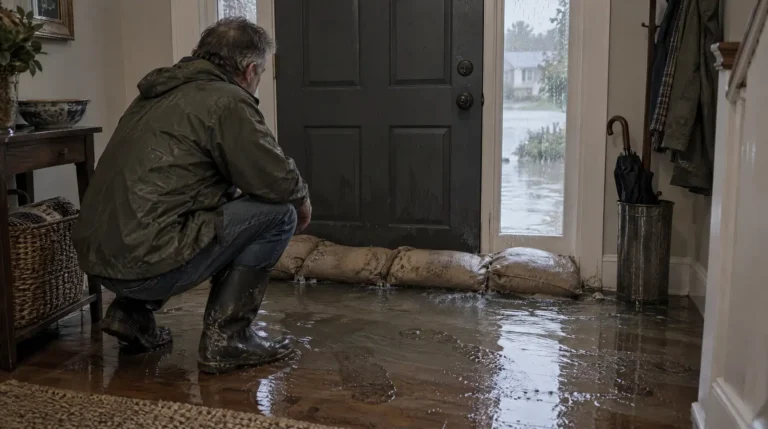
    Homeowner checking sandbags as water seeps under door during a flood damage insurance claim

    Flood & storm surge

    Surge is flood, and flood is excluded from a standard homeowners policy — it belongs to an NFIP or private flood policy with its own proof-of-loss rules and deadlines. Where the water came from decides who pays, and that is exactly where carriers blur the line.

    Nor'easters & coastal wind

    Nor'easters hammer Long Island several times a year, driving rain under siding, lifting shingles, and freezing pipes from Montauk to the North Fork. Carriers often write that off as wear and tear or maintenance. We document the storm as the cause, with the evidence to back it.

    Long Island insurance claim types

    We handle every type of Long Island property damage claim.

    From waterfront homes to commercial strips, hurricane and flood to fire and mold, we cover the full range of Nassau and Suffolk County losses.

    Hurricane & wind damage

    Roof, siding, window, and exterior damage from hurricanes, tropical storms, and nor'easters across Long Island. Wind losses are covered under a standard policy — the fight is over scope.

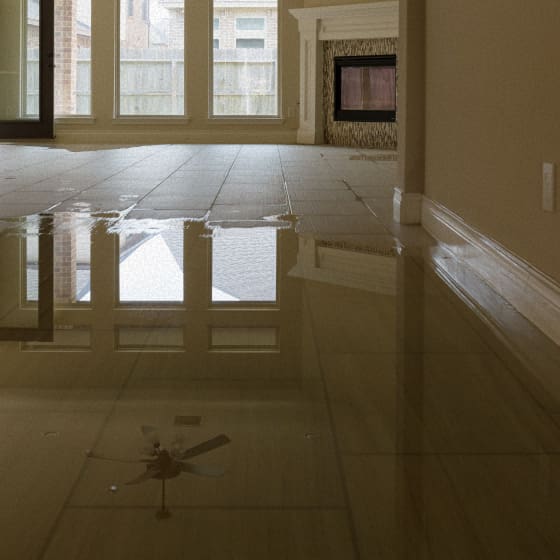
    Flood Damage

    Flood & storm surge

    Storm surge and rising water from coastal storms, handled under NFIP and private flood policies with their own strict proof-of-loss deadlines.

    Water damage & freeze

    Burst pipes, ice dams, appliance failures, and hidden water intrusion that carriers love to depreciate or call long-term seepage.

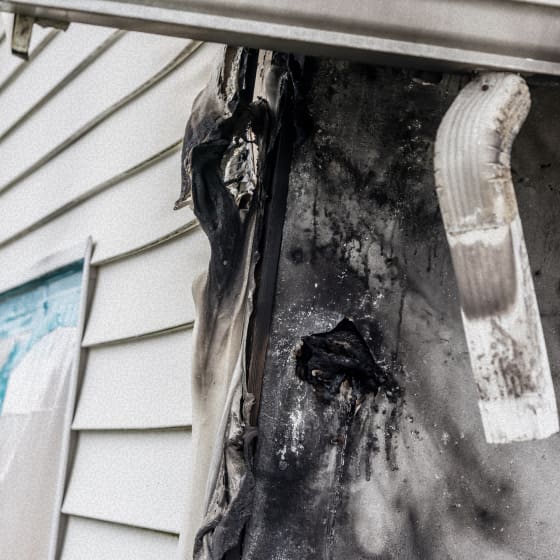
    Fire & smoke

    Structure fires, smoke and soot damage, and the water used to put the fire out. We document the full loss, not just the burn area.

    Property owner using flashlight to inspect water damage and mold on wall of flood-damaged home

    Mold & hidden damage

    Mold that shows up months after a water loss, and the hidden damage behind walls and under floors the first inspection missed.

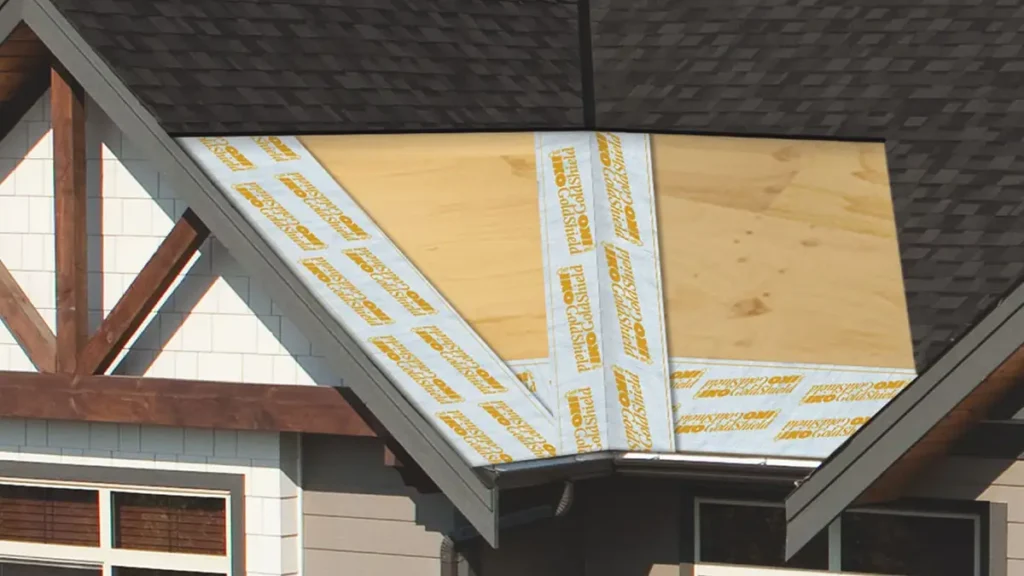
    Ice and water shield being correctly installed at eaves

    Frozen pipes & ice dams

    Winter freeze losses across Nassau and Suffolk, from burst supply lines to ice-dam water intrusion misclassified as neglect.

    How it works

    Unsure about public adjusting? Here's how it works.

    Three steps, no upfront cost, and you stay informed the whole way.

    contractors-howitworks-01
    Step 1

    Share your claim details

    First you tell us about your property and the damage: what happened, when you noticed it, and what the carrier has said so far. Photos of the damage and the carrier's estimate are enough to start. The review is free and there is no obligation.

    Start your free claim review →
    contractors-howitworks-02
    Step 2

    Your JustClaims expert takes over

    Next we assign a dedicated public adjuster who works Long Island claims. They inspect and document the loss independently, read your policy line by line, and build the estimate the carrier should have written — including the wind-versus-flood causation the first report blurred.

    Start your free claim review →
    contractors-howitworks-03
    Step 3

    Get paid what you're owed

    Last, we drive the claim to resolution. We present the documented scope, answer the carrier's requests, hold them to the Regulation 64 timelines, and negotiate until the settlement reflects the actual loss.

    Start your free claim review →
    Reality of Long Island claims

    On Long Island, the fight is usually wind versus water. And carriers use that line to underpay.

    Long Island losses almost always involve water, but where the water came from decides everything. Wind-driven rain and wind-opened openings are covered under a standard homeowners policy. Rising water — storm surge, tidal flooding, groundwater — is not, and belongs to a separate flood policy. After a coastal storm, carriers have every incentive to push damage toward the flood side of that line, where your coverage is thinner or nonexistent.

    The undercounting does not stop there. Rebuild costs on Long Island run high, and older capes, colonials, and split-levels across Nassau and Suffolk hide damage behind finished basements and original plaster. A carrier's adjuster prices the visible room and moves on; nobody counts the code upgrades, the mold risk, or the matching repairs the policy actually owes.

    Seasonal and second homes from the Hamptons to the North Fork add another gap. Damage discovered weeks after a storm gets flagged as late reporting or neglect, and vacancy clauses give the carrier an excuse it did not earn.

    Regulation 64 sets the deadlines your insurer has to meet. It says nothing about how generously they read your policy. That part is on you — or on someone working only for you.
    • Licensed public adjusters experienced with Long Island coastal claims
    • Wind-versus-flood causation documentation that holds up
    • NFIP and private flood policy experience alongside your homeowners claim
    • Seasonal and second-home claim experience across the East End
    • We work exclusively for policyholders, never for insurance companies

    How a public insurance adjuster on Long Island can help

    The carrier's playbook on Long Island claims is to pay less than you're owed, stretch out the timeline, or say no and wait. Regulation 64 sets the deadlines. We hold them to it.

    Did they underpay your claim?

    Lowball estimates and missed damage, especially where wind and flood overlap. We rebuild the number from the actual loss and document the full scope independently.

    Learn more →

    Is your claim stuck or delayed?

    Silence, re-inspections, endless requests. We keep the file moving and hold the carrier to the Regulation 64 claim-handling timelines.

    Learn more →

    Was your claim denied outright?

    A denial isn't the end. We review the policy, document what's covered, and re-submit with independent evidence. New York requires carriers to explain a denial in writing.

    Learn more →

    We have expertise on all building types:

    • Single-Family Homes
    • Waterfront & Beach Houses
    • Co-op & Condo Buildings
    • HOA Communities
    • Retail & Restaurants
    • Office Buildings
    • Marinas & Marine Trades
    • Hospitality & Lodging

    See what your insurance claim is really worth.

    Get a Free Claim Review

    Free review. Long Island experts. No upfront cost.

    Long Island areas we serve

    Serving property owners across Nassau and Suffolk County.

    Our New York team covers Long Island end to end, from the Nassau County hubs of Hempstead, Oyster Bay, Jericho, Garden City, and Freeport through the Suffolk County towns of Brookhaven, Islip, Huntington, Smithtown, Babylon, and Southampton, out to the Hamptons, Montauk, and the North Fork. We work with homeowners, co-op and condo boards, commercial owners, and seasonal property owners. Whether you need a public adjuster in Nassau County or out on the East End of Suffolk County, we can review your claim at no cost.

    Hempstead Nassau County
    Brookhaven Suffolk County
    Oyster Bay Nassau County
    Islip Suffolk County
    Jericho Nassau County
    Huntington Suffolk County
    Garden City Nassau County
    Smithtown Suffolk County
    Freeport Nassau County
    Southampton Suffolk County
    Babylon Suffolk County
    Hamptons Suffolk County
    New York Insurance Law

    What Long Island policyholders need to know.

    New York gives policyholders more leverage than most carriers volunteer. Here is the part that matters when your claim is undervalued or stalled.

    01

    Public adjusters are licensed by DFS

    Every public adjuster working your Long Island claim must be licensed and regulated by the New York Department of Financial Services under NY Insurance Law §2108 — which requires prelicensing education, an exam, and a surety bond. You can verify any adjuster through the DFS license lookup.

    02

    Fees are capped and contingency-based

    New York caps public adjuster fees at 12.5% of the recovery under Regulation 10 (11 NYCRR §25.7). The fee must be in writing, and you can cancel the contract by midnight of the third business day after signing. No recovery, no fee.

    03

    Claim-handling timelines (Regulation 64)

    Your insurer must acknowledge your claim within 15 business days and accept or reject it within 15 business days of receiving your executed proof of loss. Extensions require a written explanation, and an agreed settlement must be paid within 5 business days.

    04

    No conflicts, and good faith required

    Under §2108, a public adjuster cannot have a financial interest in the repair or restoration of your claim. And under §2601, carriers must handle claims in good faith — unreasonable delay or underpayment can carry consequences.

    This is general information, not legal advice. Statutes and fee rules change. Confirm the specifics for your situation.

    City Lead

    Meet our Long Island lead public adjuster

    Reviewed and Verified by

    Collin Corcoran

    Collin Corcoran is an experienced public adjuster and property claims specialist, licensed in New York (#1603393), New Jersey (#3003700204), and Connecticut (#19820270). With 20+ years of hands-on construction and property damage experience, he specializes in residential and commercial claims, complex loss inspections, policy review, detailed estimating, and strategic negotiation.

    On Long Island, Collin focuses on the losses the coast delivers: hurricane and nor'easter damage, storm surge and flood, frozen pipes, fire, smoke, and mold. His background in construction, emergency response, and claims documentation lets him identify damage the first inspection missed, understand what repairs actually require, and advocate effectively for policyholders across Nassau and Suffolk County.

    He works with homeowners, co-op and condo boards, business owners, and contractors to move claims forward with clarity, accuracy, and confidence — and he is committed to transparency, technical precision, and fair outcomes for policyholders.

    Senior Claims Professional at JustClaims Licensed NY Public Adjuster #1603393 Also Licensed in New Jersey & Connecticut 20+ Years Property & Construction Experience Coastal & Storm Loss Claims
    For Long Island Contractors

    We actively partner with Long Island restoration and roofing companies.

    Contractors are some of our best partners. We quarterback the insurance claim, keep you in the loop, and stay out of the repair work. New York prohibits a public adjuster from having a financial interest in the restoration, so the arrangement stays clean and compliant.

    Restoration

    Water mitigation, fire and smoke restoration, mold remediation, and emergency board-up firms working Nassau and Suffolk County.

    General Contractors & Plumbers

    Custom home builders, renovation firms, supply-line and heating specialists, and large-loss rebuild teams across Long Island.

    Roofing & Exterior

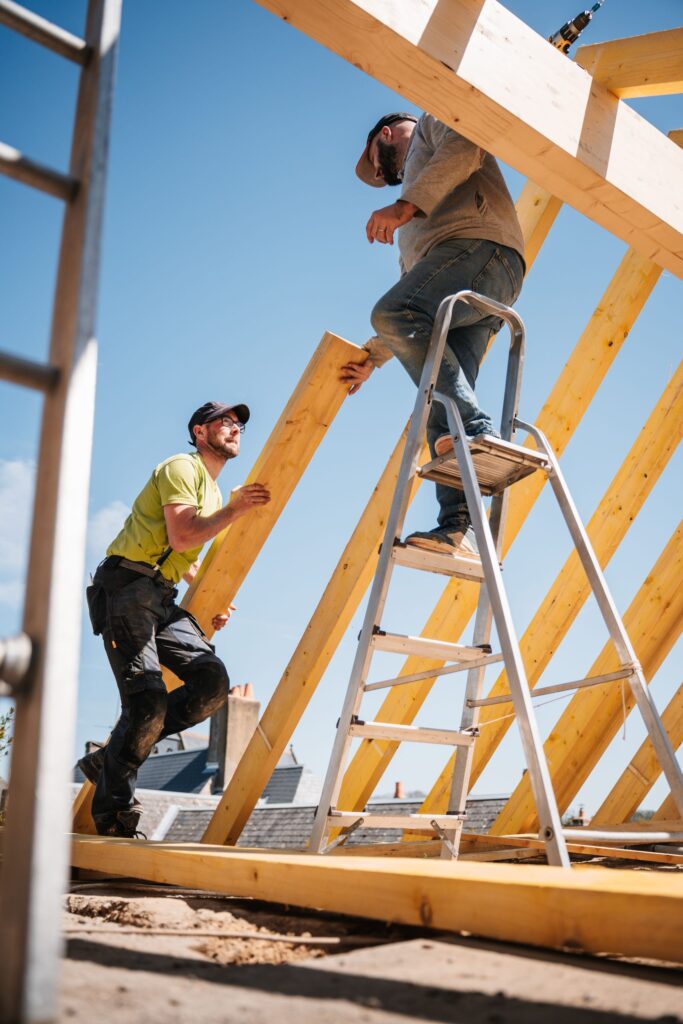
    Roofing, siding, and exterior contractors handling wind-lifted shingles, ice-dam damage, and storm restoration from the South Shore to the North Fork.

    Common Questions About Long Island Property Claims

    Yes — this is the most common Long Island dispute, and it is winnable. Wind damage is covered under your homeowners policy; rising water is not. After a coastal storm, carriers often push damage toward flood to shrink what they owe. We document causation independently — wind-opened openings, rain entry points, and the storm's path — so the covered wind loss is fully separated and paid.

    Usually only with a water-backup or sump-pump endorsement, which many Long Island homeowners carry without realizing it. The finished-basement build-back and contents can still be substantial under that endorsement. We review your policy for every applicable coverage, document the loss, and pursue the maximum available — including any mold remediation that follows.

    A low offer is a scope dispute, not a final answer. Carriers often price the visible water damage and skip the hidden moisture, insulation, and mold risk behind walls and under floors. We re-inspect, document the full loss with moisture mapping and an independent estimate, and submit a supplement. New York's Regulation 64 timelines keep the carrier from stalling the re-review.

    Yes. Seasonal and second-home claims are a large part of our East End work. Storm damage discovered weeks later often gets flagged as late reporting or neglect, and vacancy clauses give carriers an excuse to limit payment. We establish the date and cause of loss with weather data and independent documentation, and manage the claim while you are off-island.

    Often, yes. Mold that traces back to a covered water loss is frequently claimable, subject to your policy's mold sublimit. The key is tying the growth to the original event rather than long-term humidity. We document the connection with moisture readings, photos, and remediation protocols, and supplement the original claim or open a new one.

    Many Long Island policies carry a separate hurricane deductible — a percentage of your dwelling coverage, not a flat dollar amount — triggered when the National Weather Service declares a hurricane. It applies only to wind damage from that named storm, and the trigger language varies by carrier. We review your declarations page and the storm's classification so the right deductible is applied.

    Ready to find out what your Long Island property claim is really worth?

    It only takes a few minutes. No upfront cost. We only get paid when you do.

    Licensed by the New York Department of Financial Services — JustClaims, LLC License #PA-1994667 · Contingency fee capped at 12.5% · No upfront cost