The offer came in low?
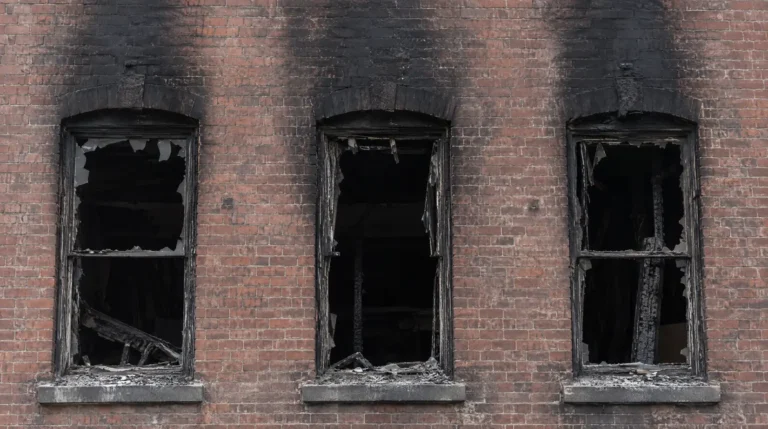
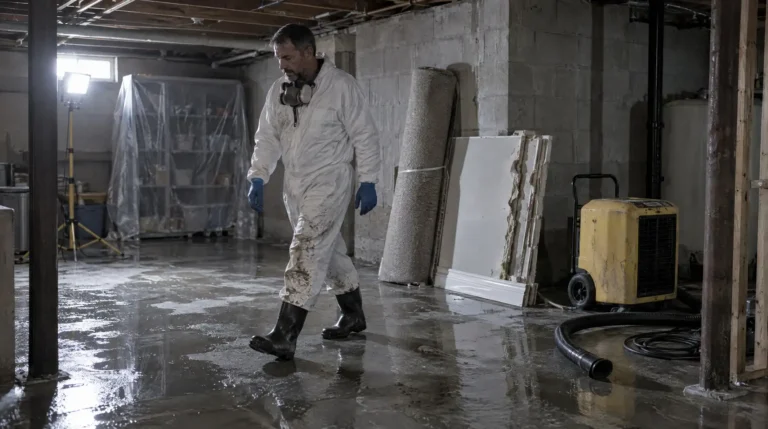
Carrier estimates price the visible damage and skip what the water did behind the walls.
On Staten Island, the fight usually starts at the water line: hurricane wind opens the roof, storm surge claims the first floor, and the carrier spends the file arguing which is which. We document the full loss — wind, water, and everything it touched — and negotiate directly with the carrier for what you are rightfully owed. No recovery, no fee.
 Licensed by the NY Dept. of Financial Services — JustClaims, LLC #PA-1994667
Fee capped by NY law at 12.5% — in writing before work starts
Hurricane, flood & coastal storm claim experience
We only get paid when you do.
Tell us about your property and damage. We'll review at no cost.
No upfront cost. We only get paid if you recover. Licensed New York public adjusters.
Three steps. One dedicated public adjuster. No upfront cost.
What happened, when you noticed it, and what the carrier has said so far. Photos of the damage — roof line to basement — are enough to start.
A dedicated public adjuster inspects and documents the loss independently, reads your homeowners policy against any NFIP flood coverage, and builds the estimate the carrier should have written.
We present the documented scope, answer the carrier's requests, hold them to Regulation 64 deadlines, and negotiate until the settlement reflects the actual loss.
Six claim families — each scoped on your property, not a template photo.
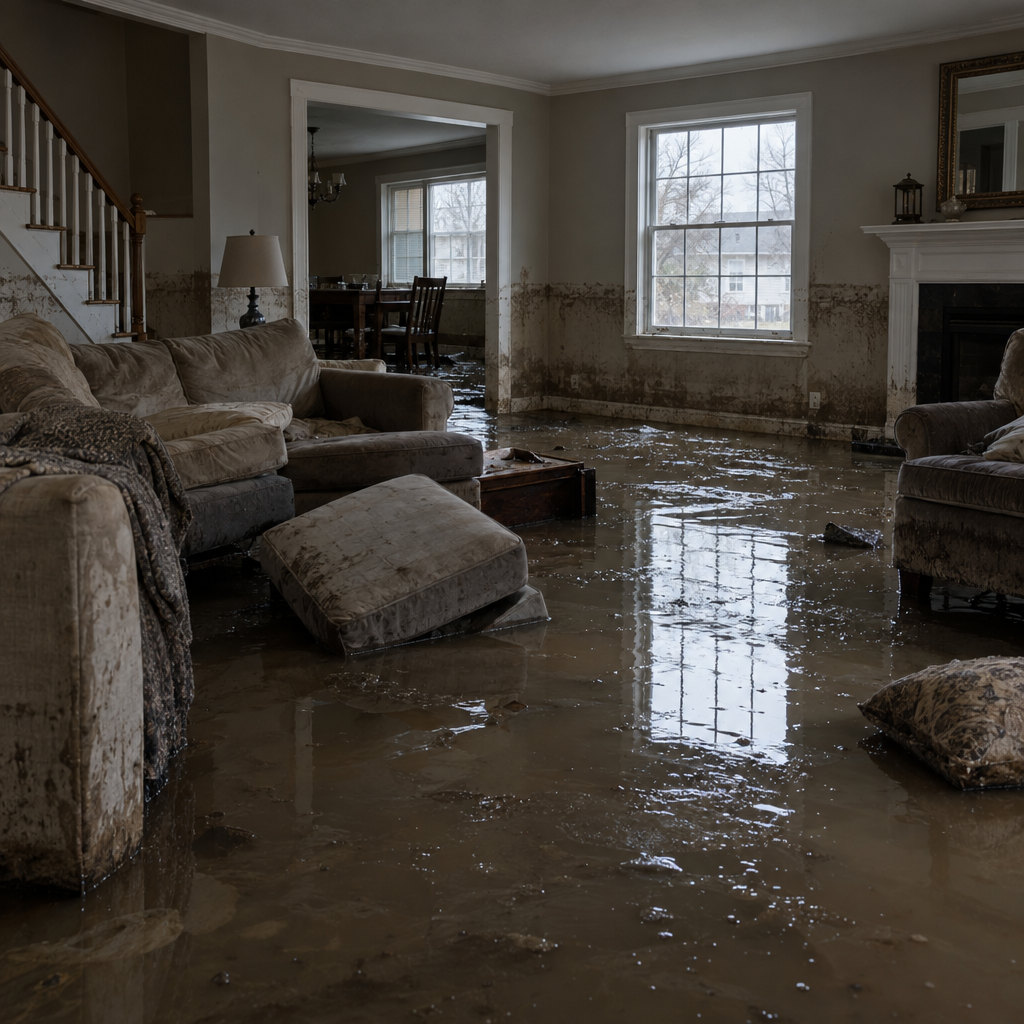
Sandy taught every carrier the wind-versus-water playbook on Staten Island. We document both sides of the line — and who owes which part.
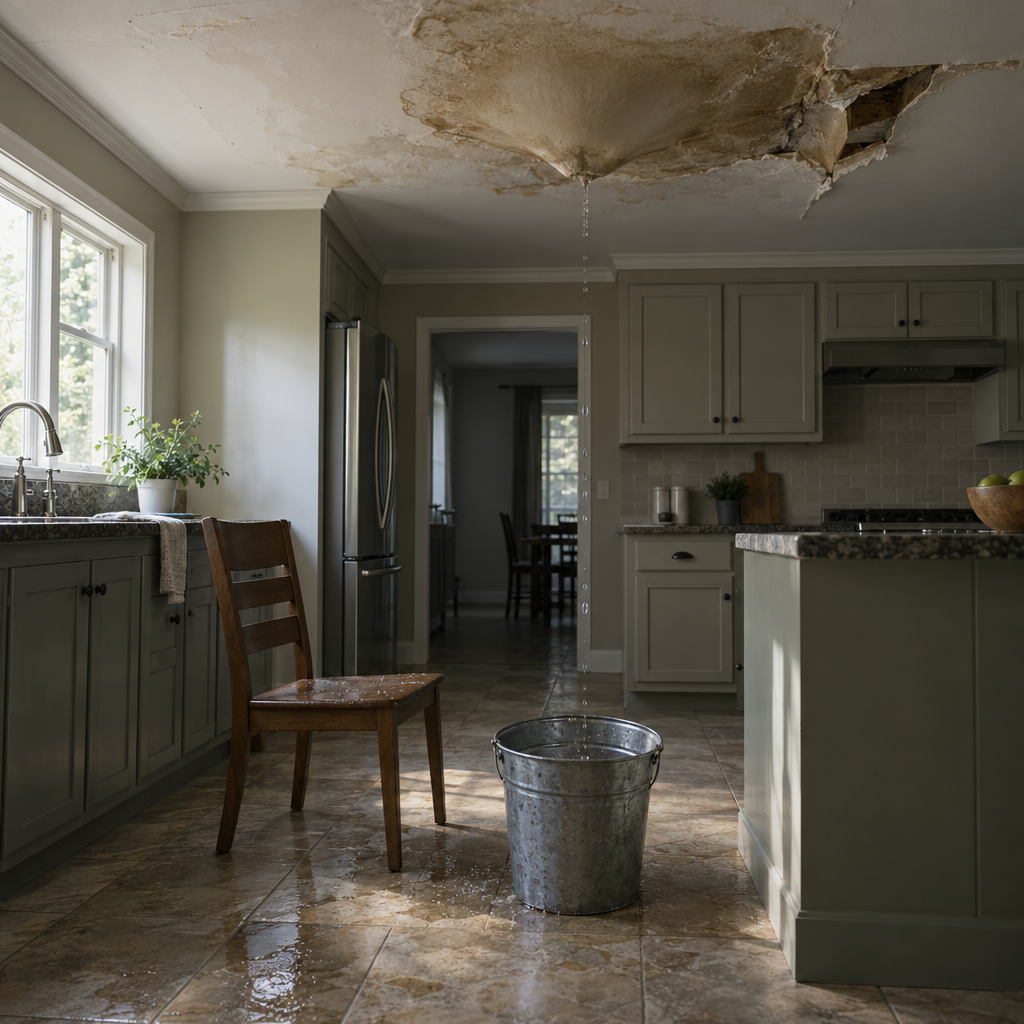
Burst supply lines, appliance failures, sewer backups — damage that spreads from the basement up. We scope every room it touched.
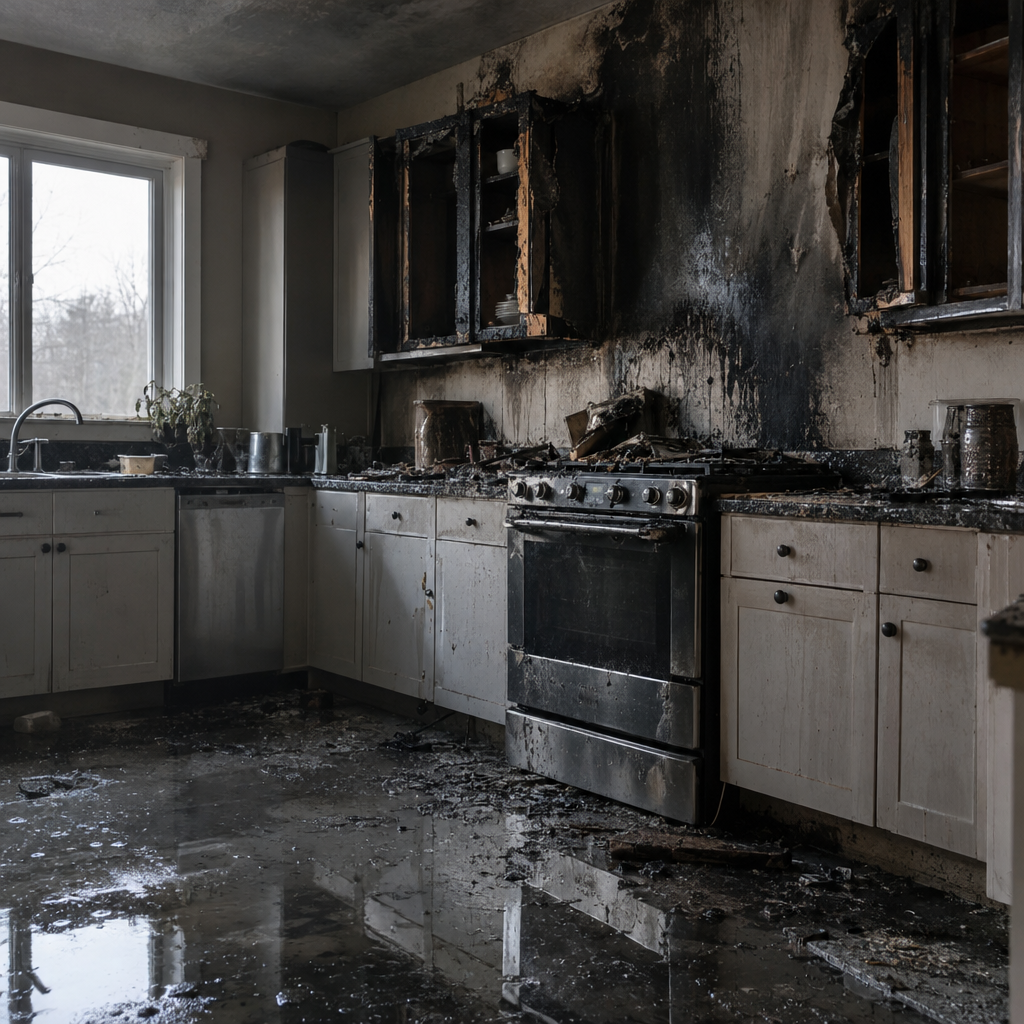
Kitchen fires, attached-neighbor spread, soot and extinguishing water — one fire, several coverages. We scope all of it.
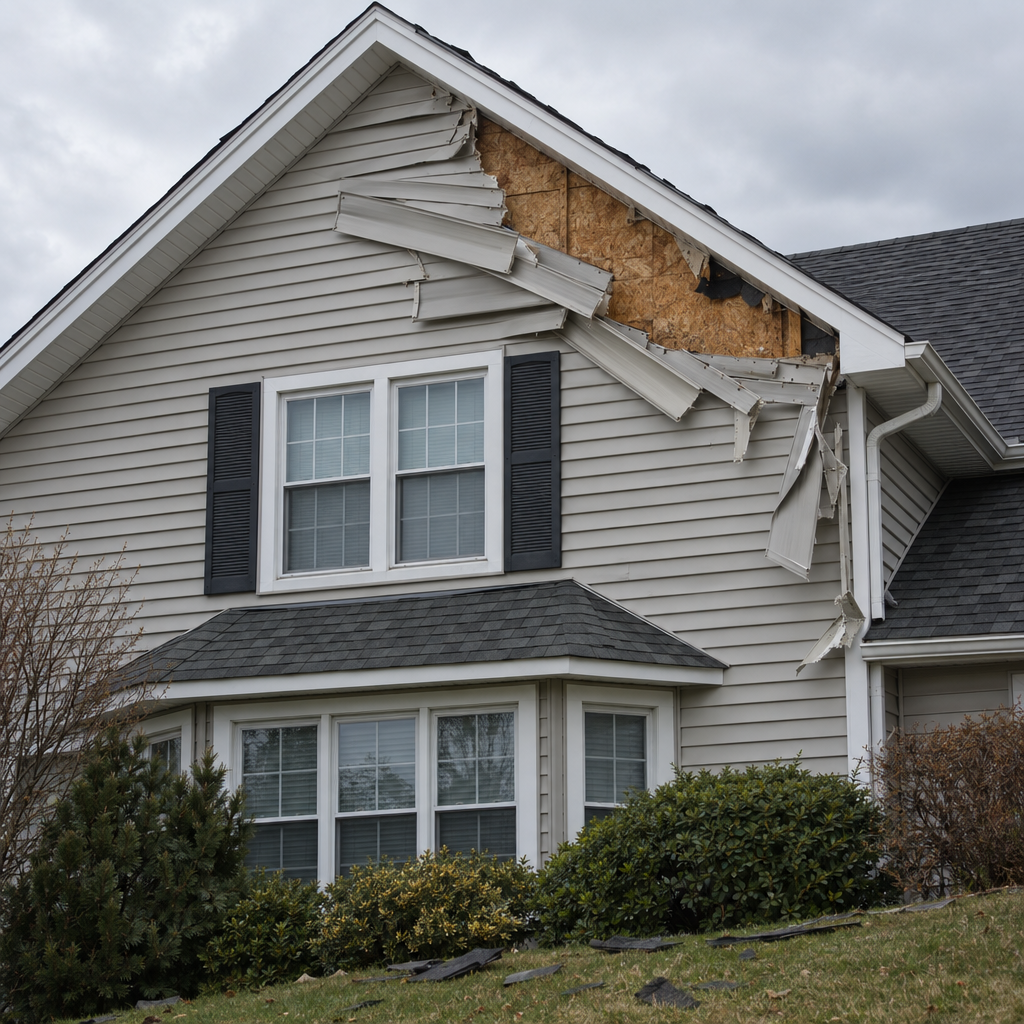
Lifted shingles, torn siding, wind-driven rain through the opening — carriers call it wear and tear. We tie it to the storm.
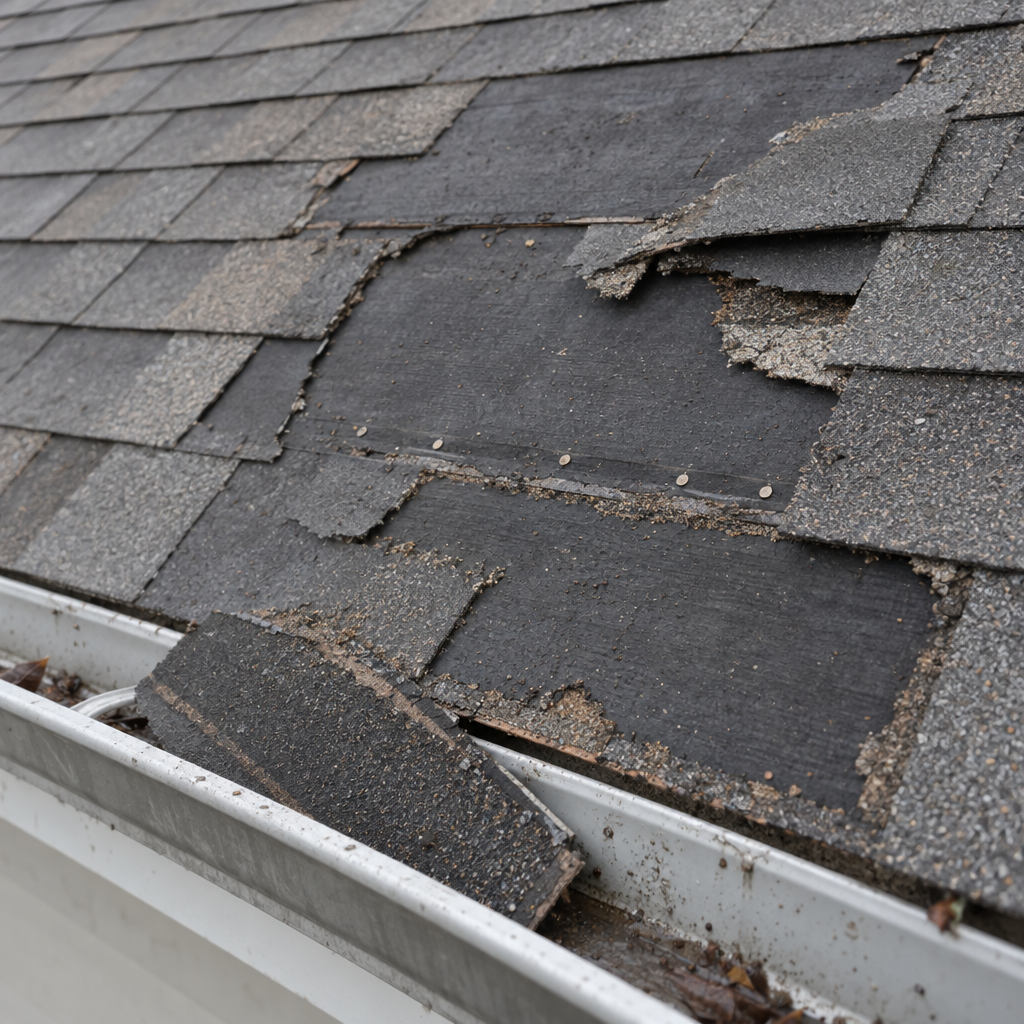
From missing shingles to a compromised deck, priced at full replacement — not the carrier's patch-and-repair allowance.
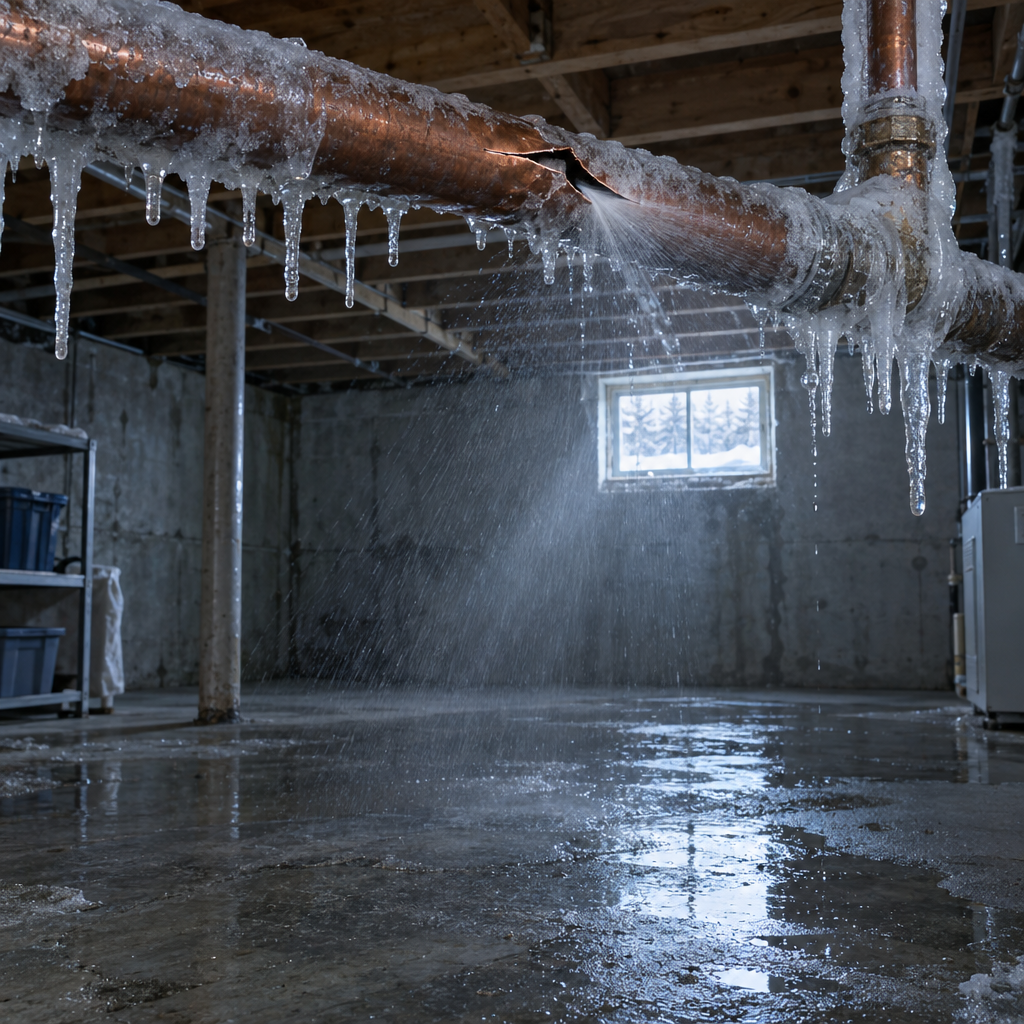
Freeze bursts behind walls and under slabs — the water damage dwarfs the pipe repair. We scope the full spread.
Carriers run three plays on Staten Island claims. New York's rules say otherwise.
Carrier estimates price the visible damage and skip what the water did behind the walls.
Weeks of silence, then one more photo request. Regulation 64 sets the deadlines.
Flood exclusion, wear and tear, late reporting — a denial is a position, not a verdict.
Single-Family Colonials
Attached Brick Homes
Victorians & Historic Homes
Condos & Co-ops
Waterfront & Beach Houses
Mixed-Use Storefronts
Small Commercial Buildings
HOA Communities
Staten Island takes the full force of Atlantic storm systems — Sandy put entire East Shore neighborhoods underwater, and nor'easters test the coast every winter. The more routine these losses get, the more carriers lean on the wind-versus-flood line to underpay them. Documentation is what changes that.
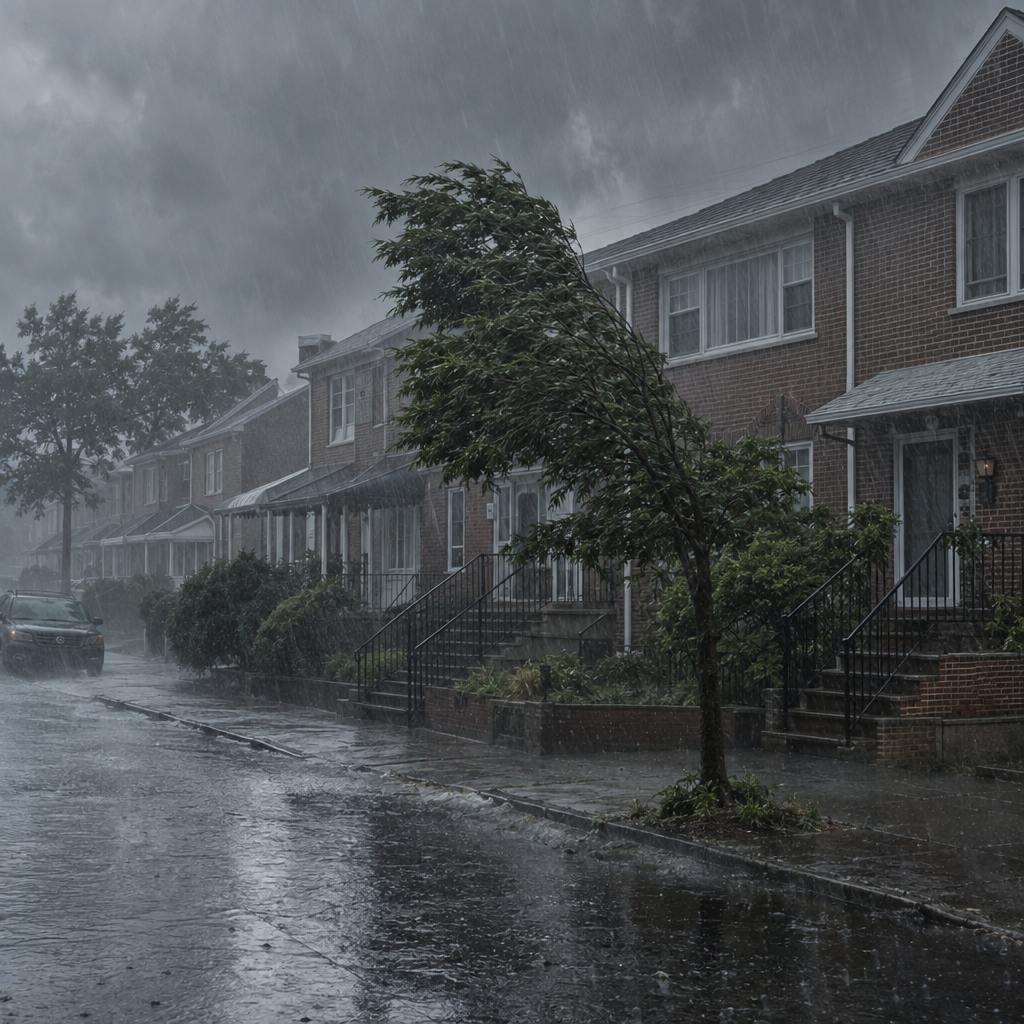
Sandy put Midland Beach, South Beach, and Oakwood underwater. Wind damage is covered under homeowners — but carriers still dispute what the wind did.
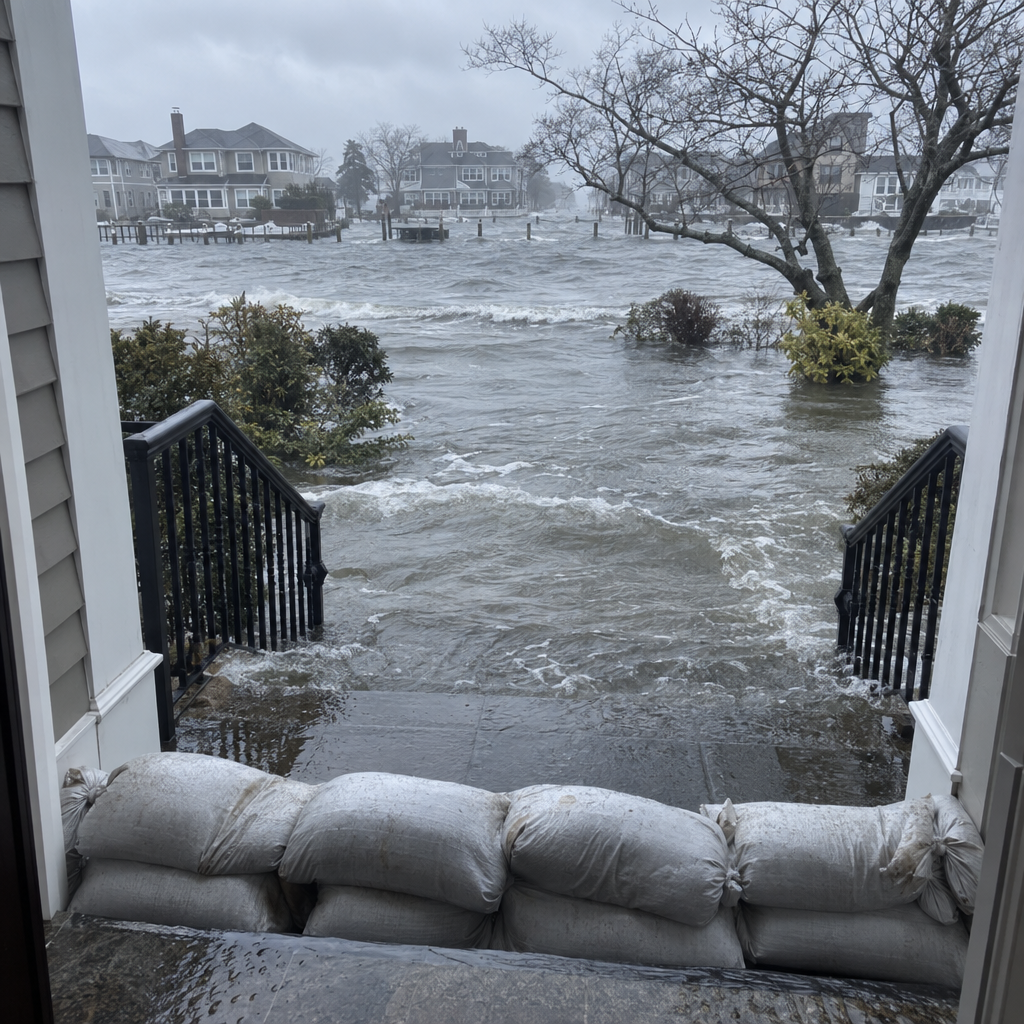
Surge is flood, and flood is excluded from homeowners policies — it belongs to NFIP or private flood coverage. Where the water came from decides who pays.
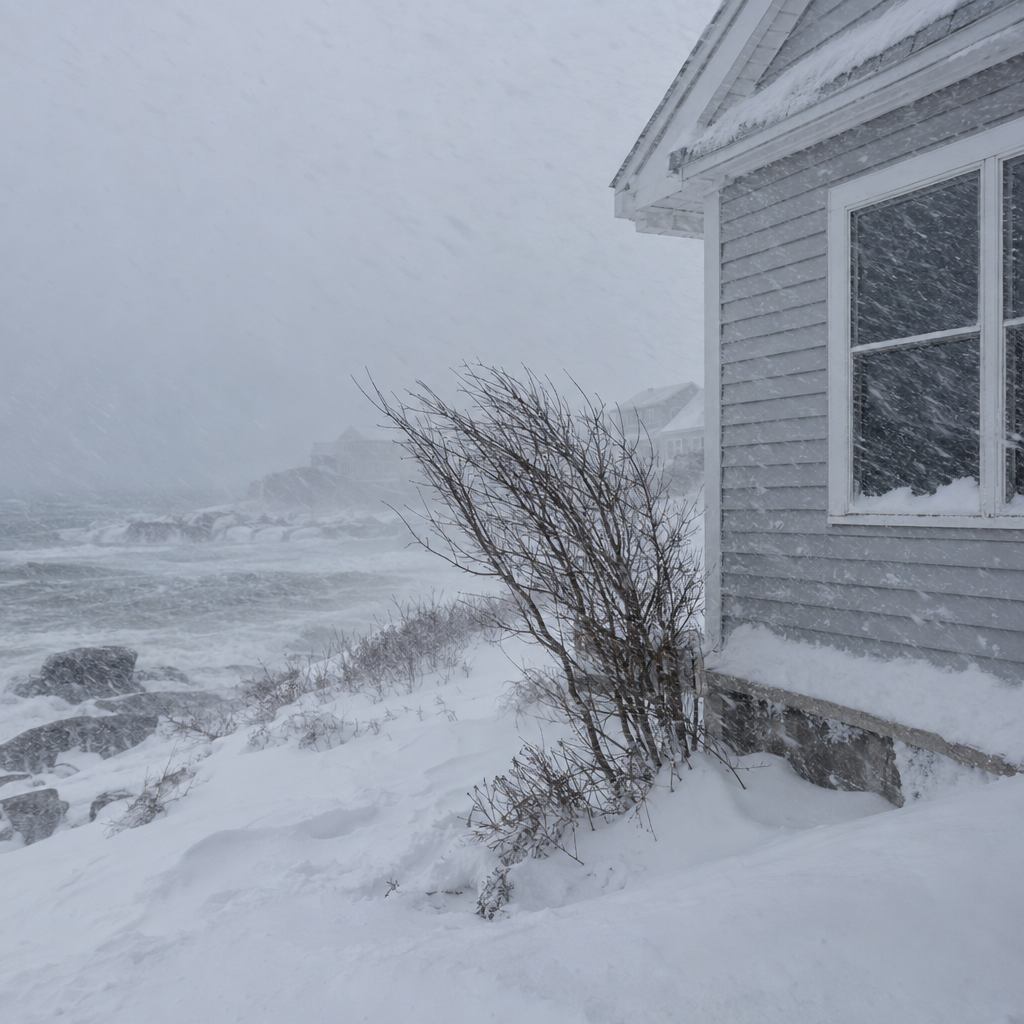
Nor'easters drive rain under siding, lift shingles, and freeze pipes from St. George to Tottenville — and carriers call it wear and tear.
Licensed public adjusters — residential & commercial Staten Island claims
Wind-versus-flood causation documentation
Hurricane, storm surge & nor'easter loss experience
Full-loss scope: structure + contents + additional living expenses
Policyholders only — never the insurance company
These are the DFS rules that set the clock, cap the fee, and let only licensed adjusters represent you.
Regulation 64 gives the carrier 15 business days after your proof of loss to accept or reject the claim in writing — and 5 business days to pay once a settlement is agreed. Silence past that owes you a written explanation, every 90 days. We clock every deadline.
New York regulation (11 NYCRR §25.7) caps public adjuster fees at 12.5% of the recovery — and the exact fee goes in a signed written agreement before work starts. The recovery grows for you, not for us. No recovery, no fee.
Only DFS-licensed public adjusters may legally negotiate with your carrier. An unlicensed contractor or 'helper' negotiating your claim breaks that rule — and hands the carrier a reason to stall or discount the file. JustClaims, LLC License #PA-1994667 — choose licensed representation.
A 'wear and tear' or 'pre-existing' denial is an opening position — we answer with new evidence: covered causation, independent scope, weather data — and press the carrier to re-engage on the merits.
This page describes DFS rules in plain language and is not legal advice.
If your neighborhood is not listed, call anyway — we cover Staten Island end to end.

Collin Corcoran is an experienced public adjuster and property claims specialist, licensed in New York (#1603393), New Jersey (#3003700204), and Connecticut (#19820270). With 20+ years of hands-on construction and property damage experience, he specializes in residential and commercial claims, complex loss inspections, policy review, detailed estimating, and strategic negotiation.
Collin's background in construction, asset management, emergency response, and claims documentation allows him to accurately identify damage, understand repair requirements, and advocate effectively for policyholders. He works with homeowners, condo and co-op owners, business owners, and contractors to move claims forward with clarity, accuracy, and confidence — from hurricane and coastal flood losses to fire, water, and storm damage.
He is committed to transparency, technical precision, strong communication, and securing fair outcomes for policyholders.
We negotiate with the carrier. You run the restoration. Clean split, full documentation, faster approval to builder.

Water, fire, mold, and flood mitigation — documented to supplement-ready level.

Full rebuild and repair scope on anything we have approved — no scope-fight delays.
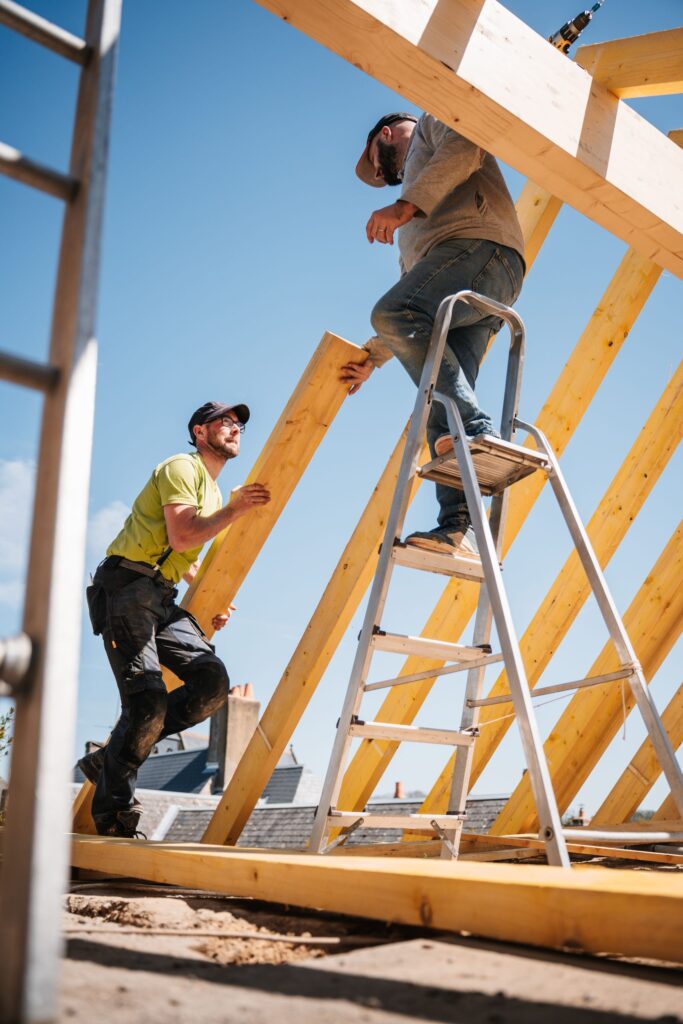
Roof, shingle, and siding repair seen through a supplement lens, not a price shop.
New York policies require "prompt" notice, and most set a limited window to bring a lawsuit — but the practical deadlines are much shorter. NFIP flood claims require a sworn proof of loss within 60 days of the loss unless FEMA extends it, and the sooner causation evidence is documented, the harder it is for a carrier to reframe the damage.
Report the loss promptly, photograph everything before cleanup, and get the scope independently priced before the carrier's number hardens. We take over hurricane files at any stage — but earlier is always stronger.
No — storm surge is flood, and flood is excluded from standard homeowners and commercial property policies. Coverage for surge comes from an NFIP or private flood policy, which carries its own deductibles, limits, and proof-of-loss deadlines.
What your homeowners policy does cover is the wind side of the same storm: the roof opening, the rain driven through it, the siding torn off before the water rose. After Sandy, carriers blurred that line aggressively on Staten Island. We document which damage belongs to which coverage — and pursue both.
A single storm claim is rarely the driver carriers suggest it is. Premiums move mostly on regional loss patterns — after a major hurricane, rates along the coast adjust whether or not you personally filed. New York law also limits when a carrier can cancel or non-renew a policy mid-term.
What does cost money is leaving a legitimate claim unfiled: storm damage compounds, and an unreported opening becomes "neglect" the next time water gets in. Weigh the deductible against the documented scope — we price that decision for free before you commit to anything.
They can try — most policies require "reasonable care" to maintain heat or drain the system when a home is unoccupied. But the burden sits on the carrier to prove the failure, and the bar is higher than a cold house: a thermostat left on, a heating system that failed on its own, or a short absence all change the answer.
We rebuild the timeline — thermostat settings, utility records, weather data, plumber reports — and separate what the policy excludes from what it clearly covers. Even in contested files, the water damage spread is often valued far above the carrier's first number.
New York does not force carriers to replace undamaged property in every scenario, but a "repair" that leaves your home visibly patchworked can fall short of the policy's promise to restore you to pre-loss condition. Matching — siding, roofing, cabinetry, flooring runs — is one of the most common places estimates quietly shrink.
We price the repair the way it actually has to be done: continuous siding runs, cabinet lines, and flooring that match the undamaged sections. Then we negotiate from documentation, not opinion.
Avoid guessing. Don't speculate about when damage started, what failed first, or whether it "might have been there before" — early statements get quoted back as admissions of pre-existing damage or neglect. Report the facts you can see, and let documentation answer the rest.
Don't sign a final release or cash a check marked "full and final" before the scope is independently priced, and be careful with broad recorded statements before you've had advice. You can cooperate fully with the carrier and still protect the file — that is exactly what we handle for you.
It takes a few minutes to find out. No upfront cost — we only get paid when you do.
Licensed by the New York Department of Financial Services — JustClaims, LLC License #PA-1994667 · Contingency fee capped at 12.5% · No upfront cost