7 Tips: How to Negotiate Insurance Settlements 2026
August 06, 2026
Written by Taylor Bezek
Share


Initial settlement offers are often “lowball” proposals that may be far below what the policyholder is entitled to recover. Because the first offer is rarely what is actually owed, securing a fair payout requires countering with independent estimates and meticulous documentation. Navigating this process effectively can mean the difference between absorbing out-of-pocket losses and recovering your full policy benefits.
Key Takeaways
- Initial Offers: The first settlement proposal is often a “lowball” figure that may be far below the claim’s true value.
- Required Documentation: Counteroffers must be supported by independent estimates, expert opinions, and thorough damage documentation.
- Communication Tracking: Property owners should maintain a detailed log recording the name, title, date, time, and details of every adjuster conversation.
- Professional Assistance: If negotiations stall, hiring a public adjuster who works exclusively for the policyholder can help assess damage and negotiate the claim.
Documenting Damage to Build a Strong Counteroffer
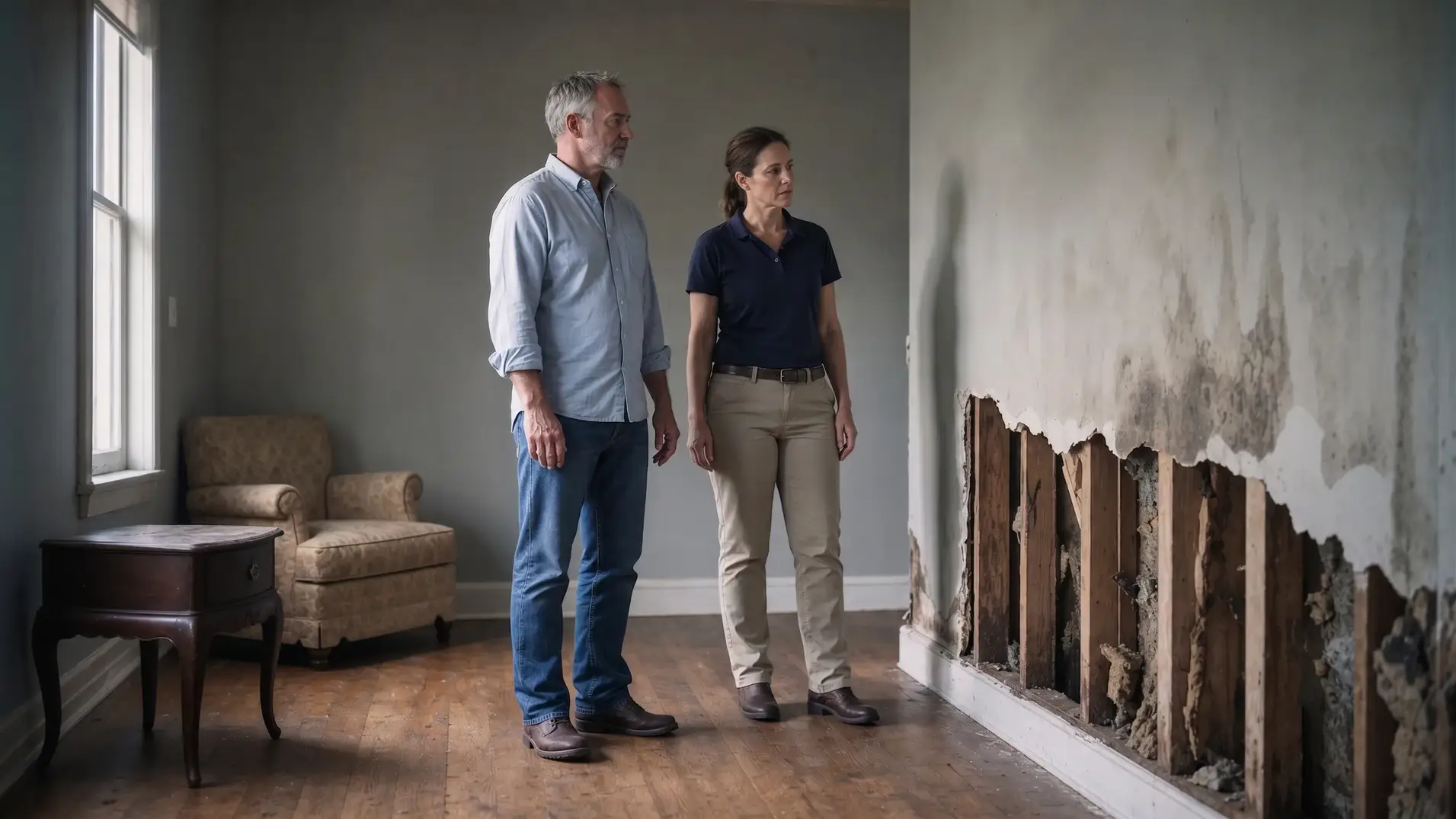
Because initial offers are often “lowball” proposals that may be far below what the policyholder is entitled to recover [1], building a strong counteroffer starts with robust physical evidence. Property owners must take a proactive approach to documenting their property before and after the damage occurs.
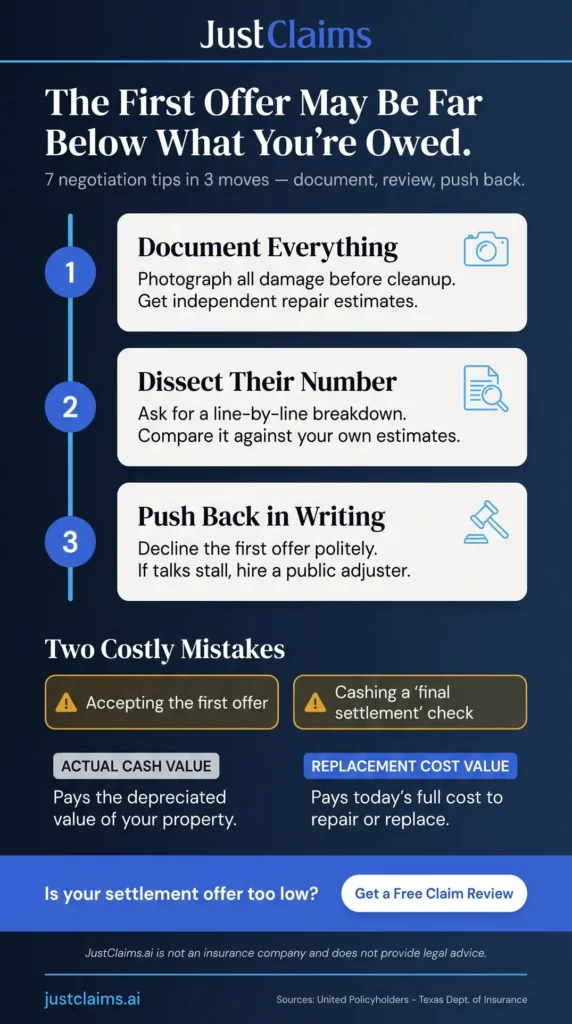
1. Capture Comprehensive Photographic Evidence
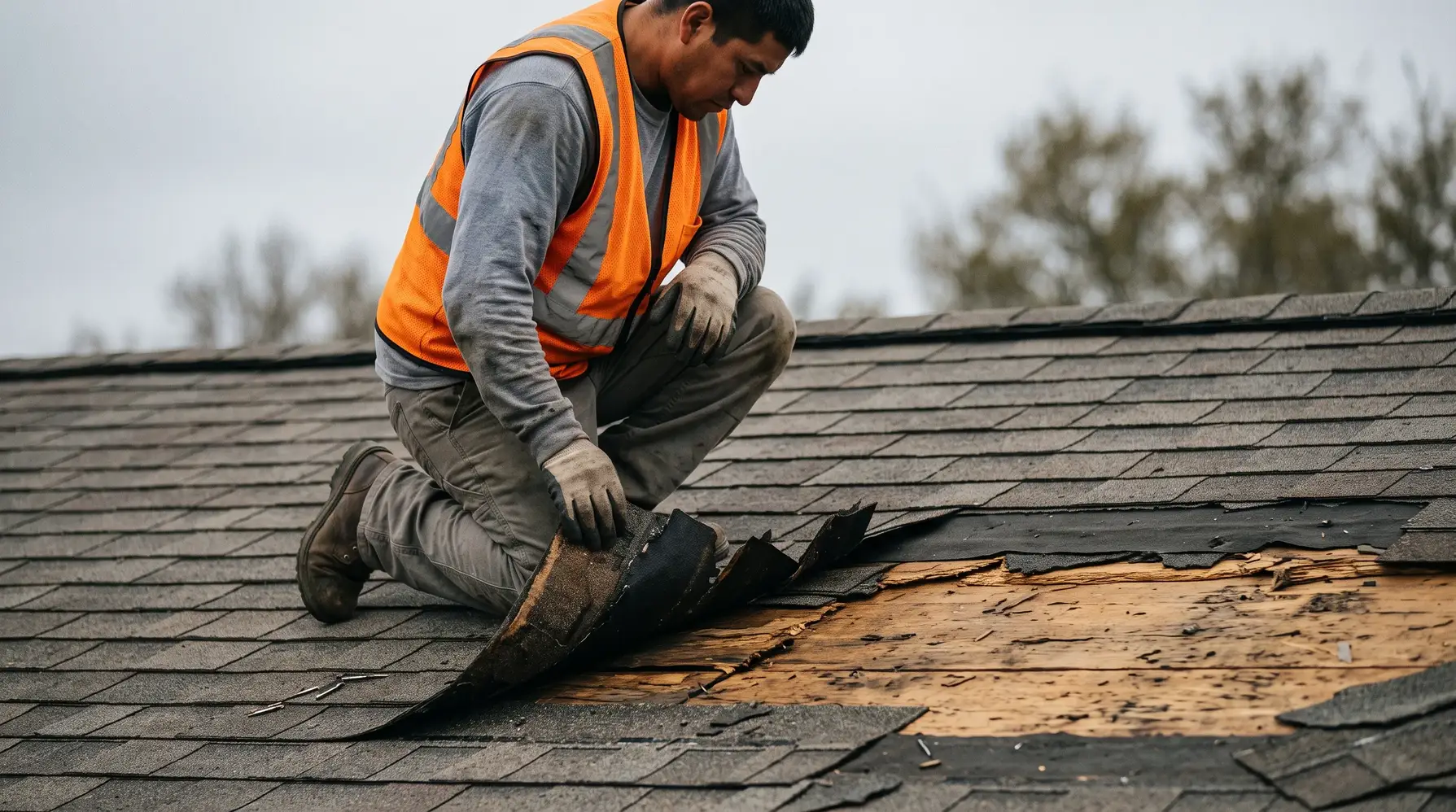
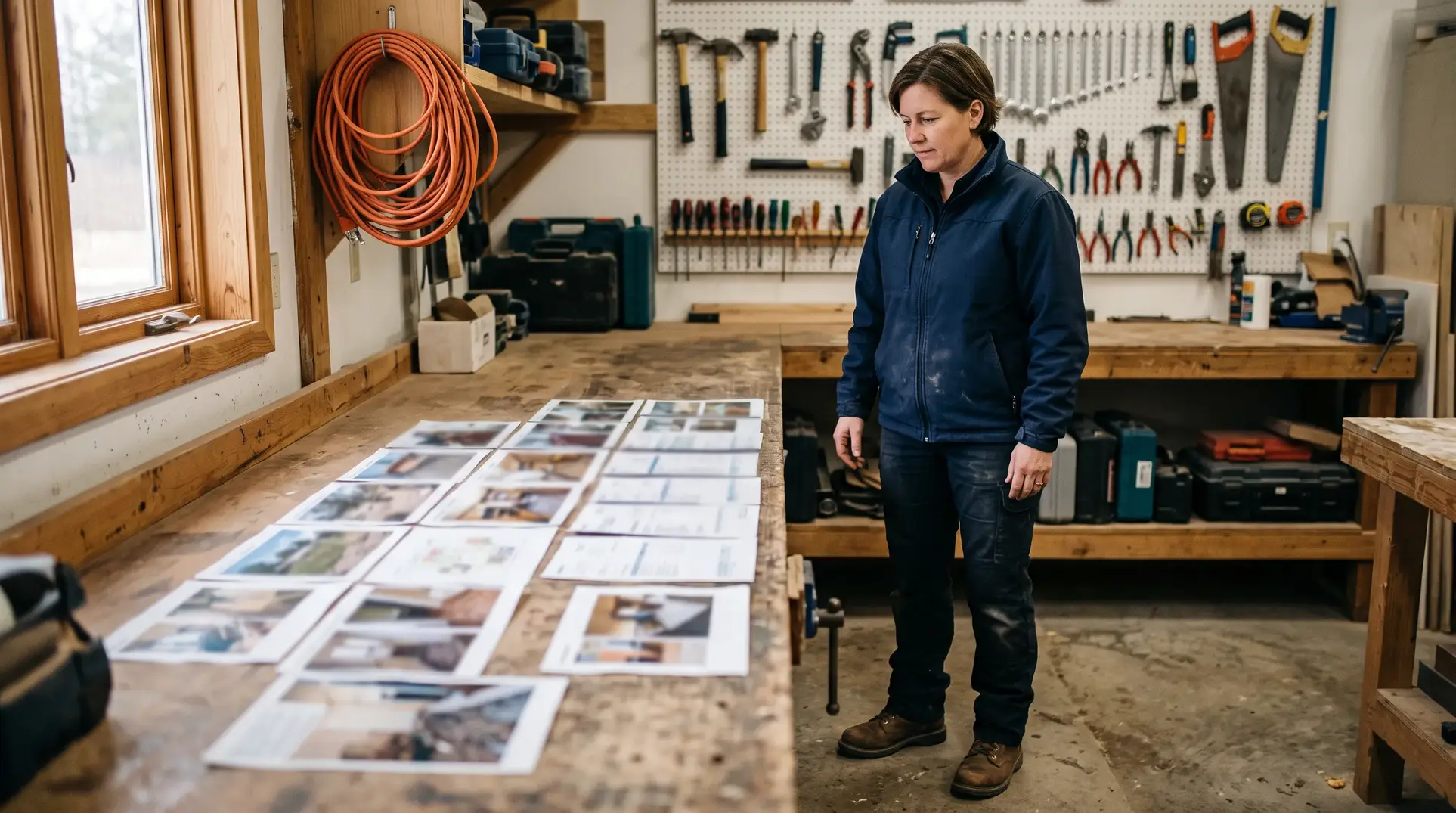
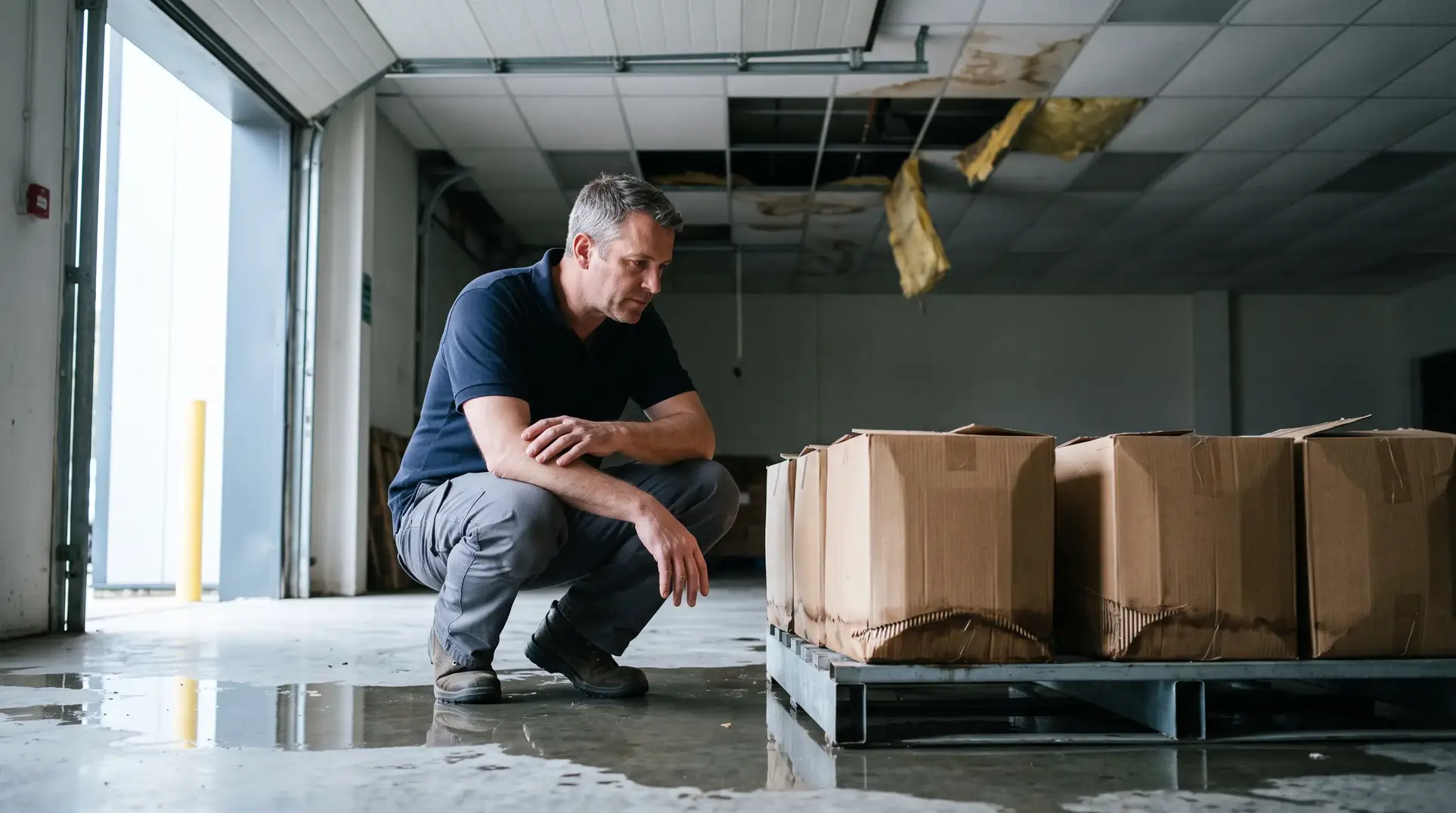
Property owners should photograph and video every affected area before any cleanup or emergency mitigation begins [2]. This visual record supports the position that the damage was extensive and directly caused by the covered peril. Taking both wide-angle shots of entire rooms and extreme close-ups of specific material damage helps establish a clear baseline. Without this visual proof, adjusters may attempt to attribute the damage to pre-existing wear and tear or delayed maintenance, which can severely reduce the final payout.
2. Gather Independent Estimates and Expert Opinions
To support any counteroffer, property owners must present strong evidence, such as independent estimates from reputable professionals and expert opinions [3]. You do not have to accept the insurance company’s contractor or estimate — and be wary of “lowball” estimates from insurance-friendly contractors [1]. Independent assessments provide a realistic picture of local labor rates, material costs, and the true scope of repairs needed to restore the property to its pre-loss condition. Ask for the line items and compare them against an independent Xactimate estimate. Thorough documentation of the damage, paired with these independent bids, forms the foundation of a successful negotiation [1].
Understanding Policy Limits and Settlement Calculations
After compiling independent evidence to counter a low initial offer, property owners must analyze how the insurance carrier calculated their proposed payout. Understanding the math behind the carrier’s offer is essential for identifying discrepancies and formulating a targeted response.
3. Request an Itemized Breakdown of the Initial Offer
Carriers often provide a lump-sum figure or a summary that makes it difficult to see exactly how they arrived at the total settlement amount. Property owners should request a detailed, itemized breakdown of how the initial settlement was calculated [3]. This line-by-line review helps identify undervalued repairs, missing items, or omitted costs that can be challenged during negotiations [1]. By comparing the carrier’s itemized list against the independent contractor estimates, policyholders can pinpoint exactly where the adjuster’s scope of work falls short.
4. Differentiate Between Actual Cash Value and Replacement Cost
Understanding the specific valuation method outlined in the insurance policy is necessary for effective negotiation. Actual Cash Value (ACV) accounts for depreciation, meaning the payout reflects the item’s current age and condition at the time of the loss. Replacement Cost Value (RCV) covers the actual cost to buy a brand-new equivalent or repair the property at today’s market rates [5]. If a carrier applies depreciation incorrectly or excessively, the itemized breakdown will reveal the discrepancy, allowing the property owner to dispute the depreciation schedule and demand a fairer valuation.
Communication Strategies for Dealing With Adjusters
Because the primary goal of negotiation is to correct an undervalued initial offer, maintaining disciplined and strategic communication with the adjuster is essential. Every interaction with the insurance company should be treated as a formal business negotiation.
5. Maintain a Detailed Communication Log
Verbal promises or casual comments from adjusters hold little weight if they are not documented in writing. Property owners should maintain a detailed communication log during negotiations, recording the name and title of every representative spoken with, the date and time, and the specific details discussed [6]. This log puts the carrier on notice that the policyholder is closely tracking the claim’s progress. If disputes arise later regarding missed deadlines or changing explanations for a denial, this written record serves as vital evidence of the carrier’s handling of the claim. When the counteroffer stalls, insurance claim assistance from a licensed advocate changes the math.
6. Never Accept the First Offer Immediately
One of the key rules of claim negotiation is to avoid accepting the first settlement offer immediately [1]. These initial proposals are often “lowball” figures that may be far below what the policyholder is entitled to recover [1]. Taking the time to review the offer against independent estimates prevents property owners from leaving funds on the table. Rushing to deposit a settlement check without confirming whether it is an undisputed advance or a final release of claims can inadvertently close the door on future negotiations — read both sides of every check for words like “full” or “final settlement” before cashing it [1].
When to Bring in Professional Claim Advocates
Even when property owners present meticulous documentation and maintain clear communication logs, carriers may still refuse to revise a lowball initial offer. Recognizing when a claim has reached a stalemate is a vital part of the negotiation process.
7. Consider Hiring a Public Adjuster
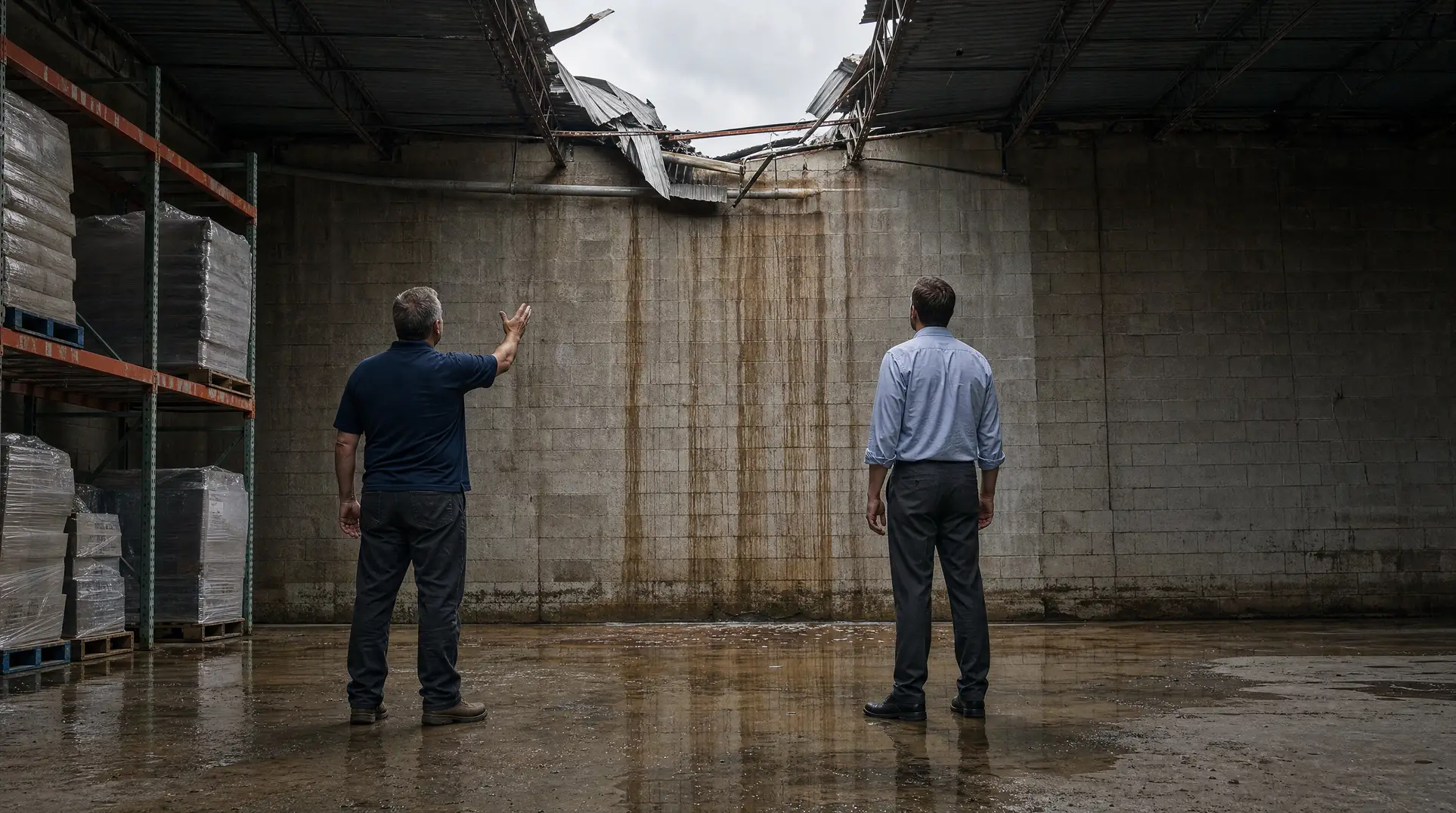
If negotiations stall or the insurer refuses to offer a fair settlement, property owners should consider hiring a public adjuster [7]. Public adjusters are licensed professionals who represent the policyholder’s interests exclusively, as distinguished from company adjusters who represent the insurer [8]. They understand complex policy language, local building codes, and industry-standard estimating software. Bringing in a dedicated professional levels the playing field when the carrier refuses to budge.
Frequently Asked Questions
Why is the first insurance settlement offer usually so low?
Initial proposals from insurance carriers are frequently “lowball” figures that may be far below what the policyholder is entitled to recover [1]. By offering a lower amount upfront, the insurer can see whether the policyholder will accept the payout without requesting an itemized review or providing independent estimates.
What should I do if the adjuster’s estimate misses damaged items?
You should ask the carrier for a line-by-line explanation of their calculation [3]. Once you have this detailed breakdown, you can cross-reference it with your own independent contractor estimates to highlight exactly which repairs were undervalued or completely left off the scope of work [1]. If the carrier refuses to correct clear errors, you can file a complaint with your state insurance department — consumer-assistance programs can investigate complaints and, in some states, have recovered millions of dollars in restitution for policyholders [4].
How can I prove the insurance company is undervaluing my claim?
An effective way to challenge a low payout is by submitting robust documentation, including assessments from independent professionals and comprehensive photos of the loss [1]. Presenting expert opinions and realistic local contractor bids supports your position that the carrier’s initial valuation is insufficient [3].
When is it time to hire a public adjuster?
Bringing in a professional advocate is often necessary when your own attempts to negotiate reach a standstill or the carrier outright refuses to increase a low offer [7]. A public adjuster advocates solely on your behalf, using their expertise in policy interpretation and damage assessment to pursue a fair resolution [8].
How to Protect Your Settlement Rights
Navigating an insurance claim requires patience, meticulous record-keeping, and a willingness to challenge the carrier’s initial findings. By securing independent estimates, demanding itemized breakdowns, and tracking every conversation, property owners can build a strong case for a fair payout. If your insurance claim was denied or underpaid, JustClaims’ expert team — accelerated by our bespoke AI — reviews the policy language, compares it against your documentation, and flags likely underpayments so you can go back to the carrier with confidence.
This content is for informational purposes only and does not constitute legal or insurance advice. Coverage decisions depend on the specific terms, conditions, and exclusions of each policy and the laws of the applicable jurisdiction; policyholders and contractors should consult with a qualified professional for advice on their particular situation.
Sources
[1] Insurance Recovery Tips for the Dwelling Part of Your Claim — United Policyholders
[2] First Steps After a Hurricane and/or Flood — United Policyholders
[3] Getting Your Insurance Claim Paid — Texas Department of Insurance
[5] Home Insurance Guide — Texas Department of Insurance
[6] Speak UP: How to Communicate With Your Insurance Company — United Policyholders
[7] Texas Insurance Code Chapter 4102 — Public Insurance Adjusters — Texas Legislature

Taylor Bezek

As the General Manager at JustClaims, Taylor Bezek brings over a decade of experience managing complex residential, commercial, and large-loss claims. A licensed Public Adjuster in TX (#2125659), FL (#W455048), CO (#769172), and 10 additional states, Taylor founded his own firm before joining JustClaims to scale a tech-forward solution for the insured. He is committed to combining industry expertise with AI to enhance speed, clarity, and outcomes for every policyholder. Taylor's mission is to modernize the public adjusting profession and ensure owners get exactly what they are entitled to.