When Is It Too Late to Hire a Public Adjuster? 2026 Guide
August 04, 2026
Written by Collin Corcoran
Share


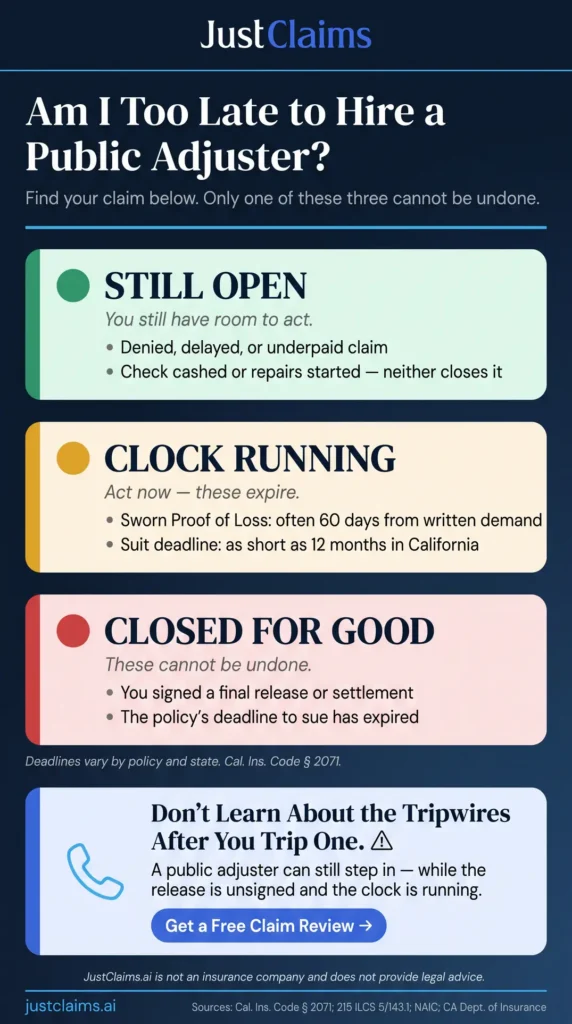
Property owners often wonder when the window closes to bring in professional help for an insurance dispute. In most cases, it is not too late: you can bring in a public adjuster at nearly any stage — after a lowball estimate, after a denial, even after you have cashed a check — as long as two things remain true. You have not signed a final release, and the deadline in your policy or state law for suing the insurer has not run. Those two tripwires, not the age of your claim, are what permanently bar recovery.
Key Takeaways
- Notice of Loss: Most policies require written notice “without unnecessary delay” or “immediately” rather than on a fixed calendar deadline — report the loss as soon as you discover it.
- Proof of Loss Deadline: Policies and several state statutes set 60 days from the insurer’s written request for a sworn Proof of Loss, and in some states missing it is a bar to recovery.
- California Lawsuits: California’s standard form policy bars suit against the insurer unless it is commenced within 12 months after inception of the loss — extended to 24 months when the loss relates to a declared state of emergency.
- Your Policy Cannot Always Shorten the Clock: Colorado prohibits enforcing homeowner’s policy terms that require suit in a shorter period than the applicable statute of limitations, Illinois tolls the suit period while your claim is pending, and Texas voids certain shortened windstorm and hail limitation clauses outright.
- Supplemental Claims: Your first check is often an advance, not a final payment — you can generally reopen a claim for newly discovered damage if you have not signed a final release.
The Three Critical Deadlines That Dictate Your Claim
Property owners navigating property damage must track multiple overlapping timelines. Failing to meet these requirements can jeopardize your ability to secure a fair settlement or bring in a public adjuster to advocate on your behalf.
1. Prompt Notice of Loss
Your first deadline is usually not a fixed number of days — it is a duty of promptness written into the policy itself. California’s standard form policy requires the insured to give written notice of a loss “without unnecessary delay” [1], and Minnesota’s standard fire policy requires “immediate written notice” to the company [3]. The National Association of Insurance Commissioners echoes the practical rule: most insurers have a time requirement for reporting a claim, so contact your agent or company as soon as possible [7]. Some policy forms also carry a hard outer limit on filing the claim itself. In Texas, a windstorm and hail policy written in the state’s designated catastrophe area may require that a claim be filed no later than one year after the date of loss — though the statute requires that such a provision also allow later filing for good cause shown [13]. Because “prompt” and “immediate” are judged after the fact, waiting can invite a denial based on late reporting. Check your declarations page and conditions section for any specific reporting deadline your carrier has added.
2. Sworn Proof of Loss Submission
After you file, the carrier may demand formal documentation of the damages. A sworn Proof of Loss is commonly due within 60 days: California’s standard form policy calls for a proof of loss “signed and sworn to by the insured” within 60 days after the loss unless the insurer extends the time in writing [1], and in Minnesota an insurer may notify the insured by certified mail that it may deny the claim unless a completed proof of loss is received within 60 days of that notice — with failure to comply operating as a bar to recovery absent good cause [2]. The flood-insurance standard is stricter still: the Standard Flood Insurance Policy gives you 60 days after the loss to submit a sworn proof of loss, and if you need more time you must request an extension from FEMA in writing [6]. This document commits you to the scope and cost of the claimed damage under oath. Because it carries a formal signature, inaccuracies or omissions can limit your final payout. Property owners should verify that every figure and every line item is correct before submission.
3. The “Suit Against Us” Provision and State Laws
If negotiations fail, legal action may be necessary to recover your funds. Many policies contain a “Suit Against Us” provision limiting the time to sue, and in several states the law sets a floor that a shorter contractual clause cannot undercut [4]. This deadline is frequently misunderstood, because the period for suing your own insurer on the policy is a different and usually much shorter clock than the general statute of limitations for property damage. If you are still asking what’s a public adjuster, the short answer is: the only adjuster licensed to work for you, not the carrier.
Four examples show how differently states treat it:
- California. The standard form policy provides that no suit on the policy is sustainable unless commenced within 12 months next after inception of the loss, extended to 24 months where the loss is related to a state of emergency as defined in Government Code section 8558(b) [1].
- Colorado. The Homeowner’s Insurance Reform Act prohibits the enforcement of terms in homeowner’s insurance policies that require policyholders to sue insurers within a shorter period of time than allowed for by the applicable statute of limitations [14]. A one-year clause buried in a Colorado homeowner’s policy may therefore be unenforceable.
- Illinois. When a policy limits the period within which the insured may bring suit, the running of that period is tolled from the date proof of loss is filed until the date the claim is denied in whole or in part [8]. Your clock pauses while the carrier sits on your claim.
- Texas. For windstorm and hail insurance written in the state’s catastrophe area, a contractual limitations period may not end before the earlier of two years from the date the insurer accepts or rejects the claim, or three years from the date of the loss — and a contractual provision to the contrary is void [13]. Insurers using these provisions must disclose them to you in writing when the policy is issued or renewed [13].
In Minnesota, by contrast, the standard fire policy simply bars suit unless it is commenced within two years after inception of the loss [3]. Read the suit-limitation clause in your own policy and confirm the controlling deadline in your state, because missing it can permanently eliminate your ability to challenge the carrier’s decision in court.
Can You Hire Professional Help for a Closed Claim?
Because these strict deadlines dictate the lifespan of your claim, understanding when a file is truly “closed” is vital for property owners seeking professional representation. Many policyholders assume that once a carrier issues a decision or a check, the process is over. However, the definition of a closed claim depends heavily on the documents you have signed and the time that has passed.
The Impact of Signing a Final Release
It is generally not too late to bring in a public adjuster as long as you have not signed a final settlement release. Carriers routinely issue undisputed payments early in a claim, and the California Department of Insurance cautions that the first check you receive is often an advance rather than a final payment — so cashing it does not by itself close your file [5]. The document to watch is the release. The same guidance warns policyholders to “be wary of initial settlement offers that are represented as full settlements and as requiring a release of further liability” [5]. The NAIC’s model unfair-claims rule goes further: an insurer may not indicate to a first-party claimant on a payment draft, check, or accompanying letter that the payment is “final” or “a release” of any claim unless the policy limit has been paid or the claimant has agreed to a compromise settlement, and it may not issue partial-settlement checks containing language purporting to release the insurer from total liability [9]. So if a partial check or its cover letter is stamped “final settlement” and you never agreed to settle, treat that as a red flag worth reviewing before you deposit it. A release is a legal waiver: once signed, it can prevent you from seeking additional funds even if you discover more damage later.
Expired Statutes of Limitations
Even if you never signed a release, time limits still apply. Even late in a claim, insurance appraisal services can reopen the valuation question. Once the deadline set by your policy or by state law has run, no adjuster can revive the claim. The controlling period varies by state and by policy form: California’s standard form requires suit within 12 months after inception of the loss, or 24 months where the loss relates to a declared state of emergency [1], and Minnesota’s requires suit within two years after inception of the loss [3]. Elsewhere the clock is more forgiving than the policy language suggests — Illinois tolls it from the date proof of loss is filed until denial [8], Colorado bars enforcement of terms shortening it below the applicable statute of limitations [14], and Texas voids certain shortened windstorm and hail limitation provisions outright [13]. Because these clocks are short and start earlier than most policyholders expect, identify your suit-limitation date early and treat it as the outer boundary for all negotiation.
How to Transition from a DIY Claim to Professional Help
Since signing a release or missing a statutory deadline permanently bars recovery, knowing how to pivot to professional representation early can save your claim. Property owners often start the process alone, only to realize the carrier’s assessment falls short of the actual repair costs. Transitioning to a public adjuster is a standard procedure, provided the window of opportunity remains open.
Appealing a Denied Claim
A complete denial from your carrier does not mean the end of the road. The Texas Department of Insurance states directly that hiring a public adjuster is one of your options if your homeowners claim is denied or you think your insurance company should pay more for repairs [10]. Regulators also describe the practical path for challenging an adverse decision: tell the company why you disagree, since it may have overlooked something and may make adjustments, and send supporting documentation such as a contractor’s estimate [11]. The NAIC gives the same direction — if you don’t believe the offer is fair, call the insurance company and be prepared to explain why you think the offer is unfair; if you’re not satisfied with the response, contact your state insurance department [12]. That is precisely the work a public adjuster performs: reviewing the denial letter, developing the evidentiary record, and identifying misinterpretations of policy language that produced the rejection. Depending on your policy and state, appraisal may also be available as a mechanism for resolving a disagreement over the amount of loss [11].
Filing for Supplemental Damages
Often, the true extent of property damage reveals itself after the initial inspection or once demolition and repairs begin. Regulators recognize this. The California Department of Insurance advises that under most circumstances, if additional damage is discovered later, you can “reopen” the claim and request additional compensation — but that you must notify your insurer immediately upon discovering the additional damage [5]. Texas regulators describe the same mechanic as requesting a supplemental payment and telling the carrier about newly discovered damage [11].
Some states give total-loss policyholders meaningful breathing room. Colorado’s homeowner’s insurance reforms require insurers to offer a minimum of 30 percent of the contents coverage shown on the policy declaration without requiring a contents inventory, to allow the policyholder up to 365 days after a total loss claim to submit an inventory of lost or damaged property, and to allow up to 365 days after additional living expense coverage expires to replace property and receive recoverable depreciation on it [14]. If you are rebuilding after a fire or a catastrophic storm, those windows are far longer than most policyholders assume — and leaving them unused is the same as leaving money on the table. This is how you address conditions that were impossible to see during the adjuster’s first visit, and it is why prompt notice of new findings matters as much as prompt notice of the original loss. For policyholders here, our public adjuster Colorado team can step in before any of those deadlines pass.
Managing Emergency Repairs and Documentation
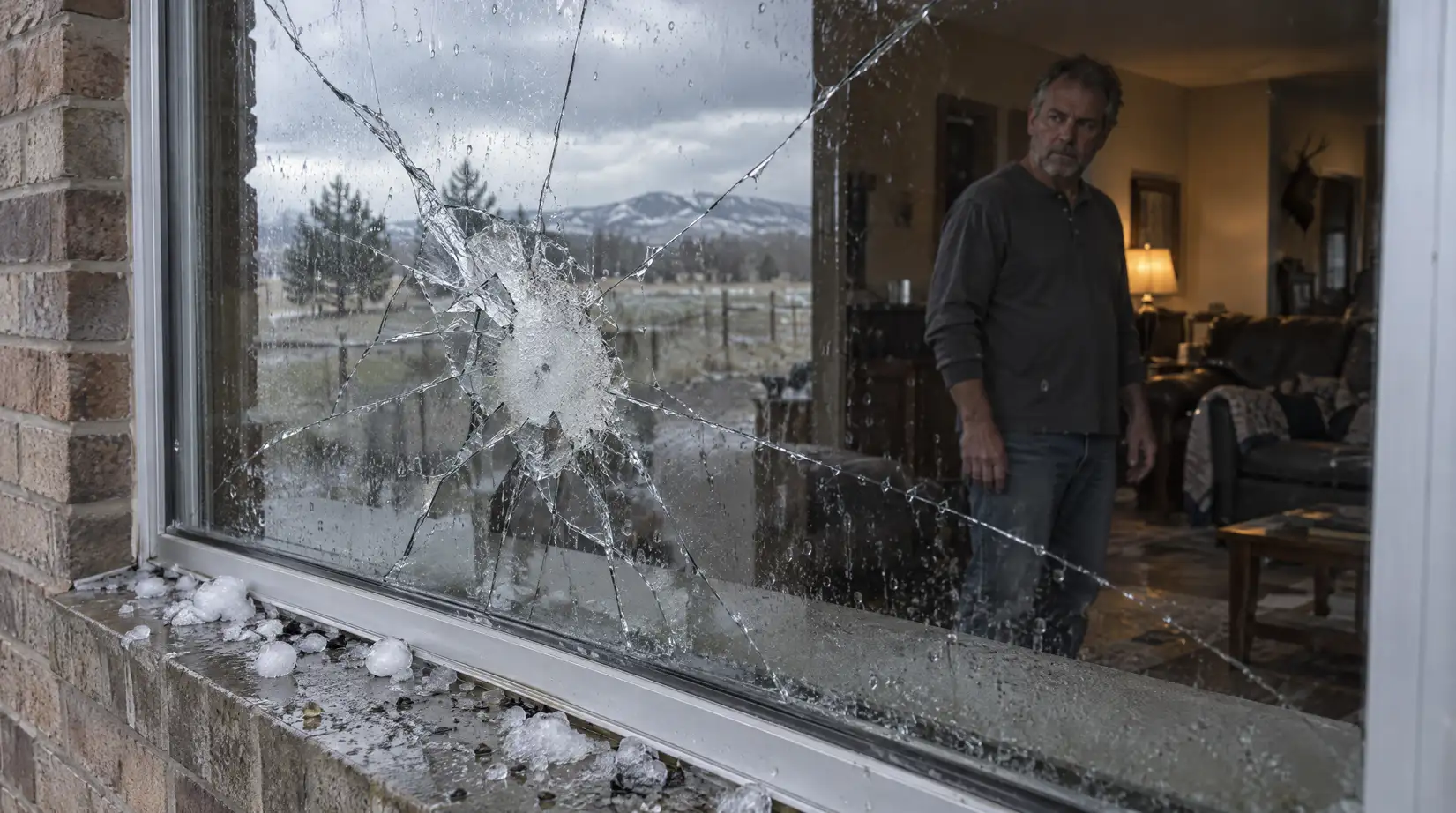
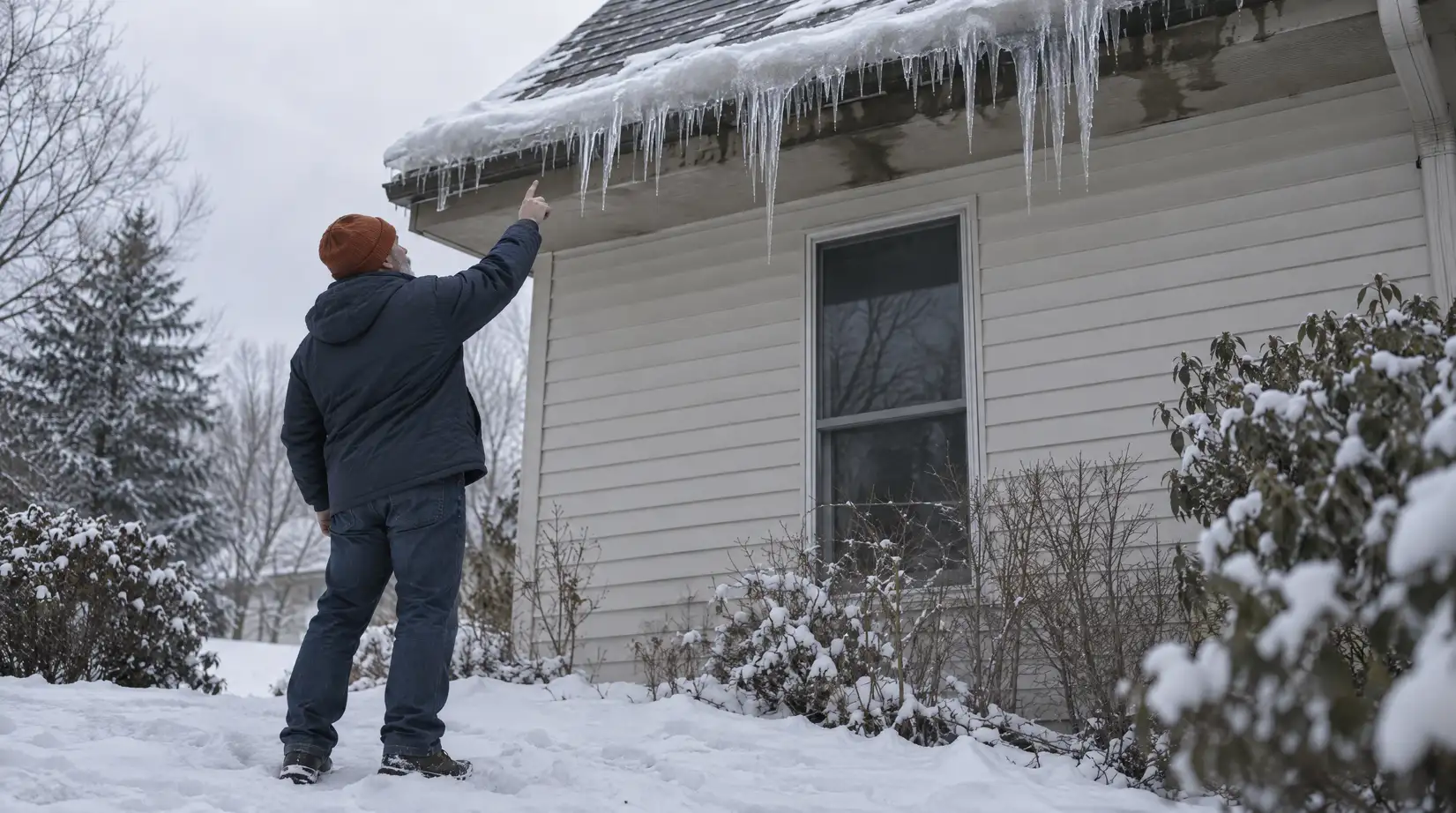
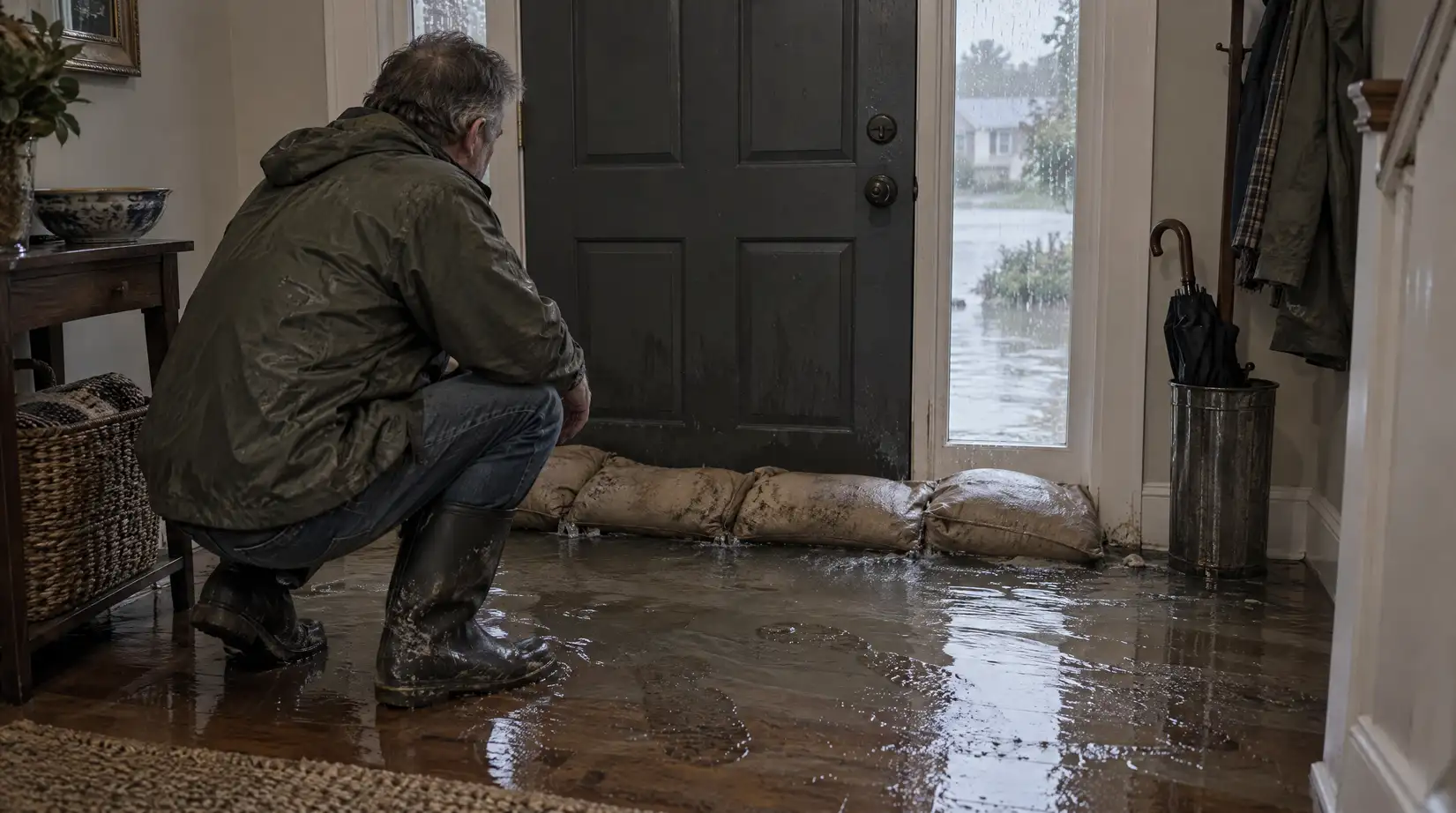
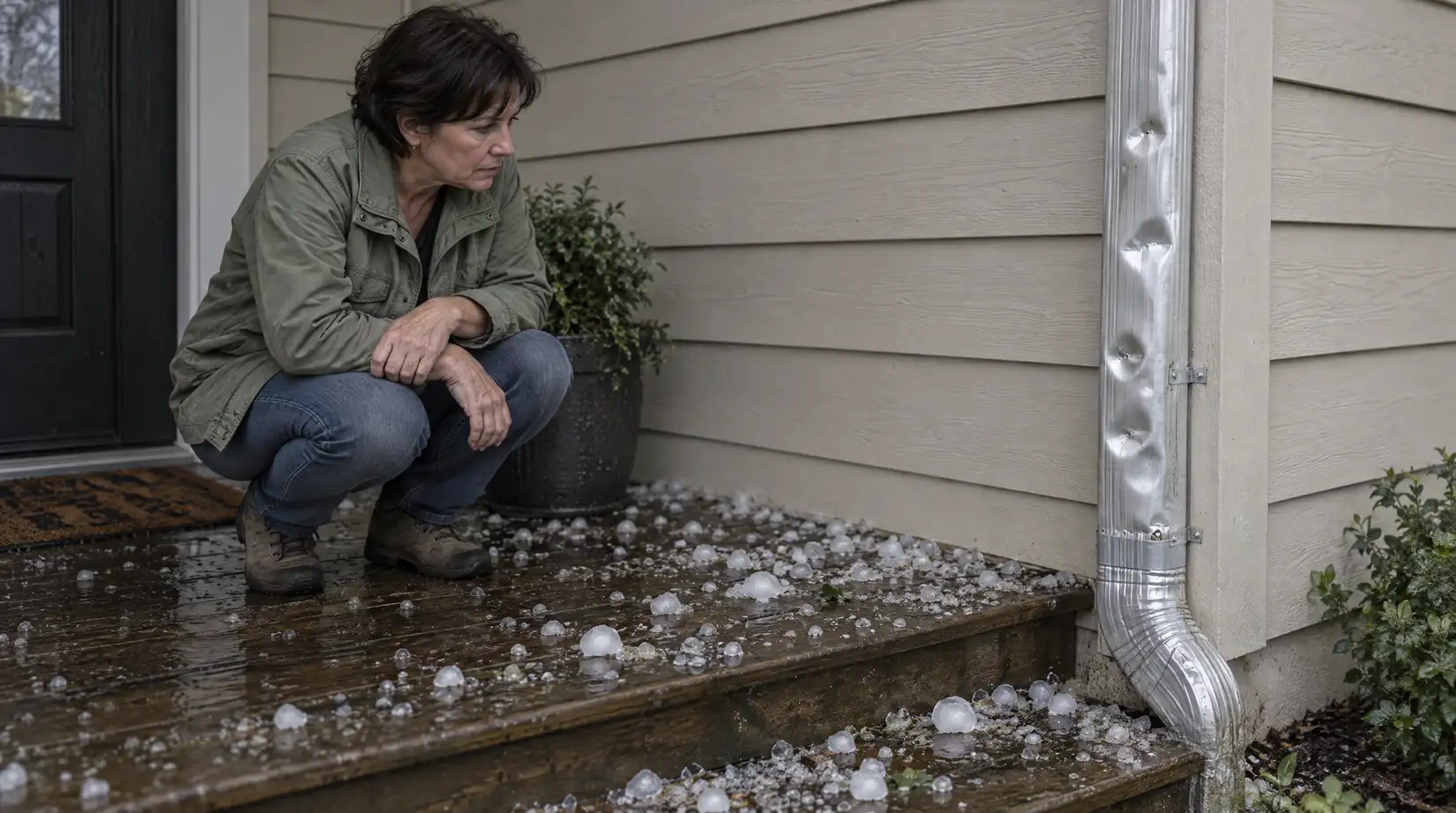
Following a severe loss, immediate mitigation is often required to prevent further deterioration, such as tarping a roof or extracting standing water. This is not merely permitted — it is a policy duty. Minnesota’s standard fire policy obligates the insured to protect the property from further damage [3]. The NAIC instructs policyholders to document all losses with photos or video before removing any debris, then make temporary repairs such as covering a hole in the roof, noting the insurer will typically reimburse those mitigation costs as part of a covered claim — and to keep a record of all receipts [7]. The California Department of Insurance draws the critical line: make temporary repairs to prevent further damage and save your receipts, but do not make extensive permanent repairs until the claims adjuster has inspected and assessed the damage [5]. Starting emergency mitigation therefore does not disqualify you from hiring a public adjuster later, provided you keep receipts and photographs of the damage before and during the work. Clear visual evidence is what allows your advocate to accurately reconstruct the original condition of the property for the carrier.
Frequently Asked Questions
Because missing a critical deadline or signing the wrong document can permanently close your window for professional help, property owners frequently ask how these rules apply to their specific situations.
What is the deadline to submit a Proof of Loss?
When a carrier formally requests a sworn Proof of Loss, provide the documentation promptly. A 60-day window is common: California’s standard form policy calls for a sworn proof of loss within 60 days after the loss unless extended in writing [1], and Minnesota law allows an insurer to give certified-mail notice that it may deny the claim unless a completed proof of loss is received within 60 days of that notice [2]. Under that Minnesota provision, failure to comply is a bar to recovery unless the insured demonstrates good cause [2]. On a flood claim, the Standard Flood Insurance Policy requires the sworn proof of loss within 60 days after the loss, with any additional time available only by written request to FEMA [6]. Confirm the exact requirement in your policy and in the carrier’s written demand.
Can my policy give me less time to sue than state law allows?
Not always — and this is where many policyholders give up too early. Colorado prohibits the enforcement of homeowner’s policy terms requiring suit within a shorter period than the applicable statute of limitations allows [14]. Illinois tolls a policy’s suit-limitation period from the date proof of loss is filed until the claim is denied in whole or in part, so time spent waiting on the carrier does not count against you [8]. And in Texas, for windstorm and hail coverage in the catastrophe area, a contractual limitations period may not end before the earlier of two years from the insurer’s acceptance or rejection of the claim or three years from the date of loss, with any contrary provision void [13]. Never assume the shortest date printed in your policy is the real one without confirming your state’s rule.
Can I hire an adjuster if I already received a settlement check?
Accepting an initial payment does not automatically end your right to seek further compensation. The California Department of Insurance notes that the first check is often an advance rather than a final payment, and that if additional damage is discovered later you can generally reopen the claim and request additional compensation, provided you notify the insurer immediately upon discovery [5]. The NAIC’s model claims rule reinforces the point: an insurer may not label a payment “final” or “a release” unless the policy limit has been paid or you agreed to a compromise settlement [9]. What forecloses that path is a signed release of further liability [5]. So long as you have not executed one and your suit-limitation deadline has not passed, you can bring in a professional to pursue supplemental funds for issues such as concealed water damage.
Does starting emergency repairs prevent me from hiring an adjuster?
No. Protecting your property from further harm is generally a duty under the policy, not a forfeiture of your rights [3]. Keep meticulous records: photograph the damage before you move or remove anything, take temporary measures to prevent further loss, and save every receipt — reimbursement for reasonable mitigation depends on that documentation [7]. Avoid extensive permanent repairs until the adjuster has inspected the loss [5].
How long do I have to sue my insurance company in California?
Much less time than most policyholders assume, and less than the general property-damage statute of limitations. Under California’s standard form policy, no suit or action on the policy for recovery of any claim is sustainable unless it is commenced within 12 months next after inception of the loss. If the loss is related to a state of emergency as defined in Government Code section 8558(b), that limit is extended to 24 months after inception of the loss [1]. Do not confuse this with the multi-year statute of limitations for property-damage claims against a third party — the deadline to sue your own insurer on the policy is a separate and shorter clock. Confirm the suit-limitation language in your policy and consult a qualified professional about how it applies to your loss.
How to Protect Your Settlement Rights
Because the window to secure a fair payout is strictly governed by policy deadlines and state laws, taking proactive steps is your best defense against underpayment. Navigating a property damage claim requires vigilance. Track every deadline, from the initial notice of loss to the formal Proof of Loss request. Never sign a final release document unless you are absolutely certain that all damages, including hidden issues, have been fully addressed and compensated. If you encounter resistance, delays, or a lowball offer from your carrier, bringing in a professional advocate early can help demonstrate the true scope of your loss. Upload your claim documents to JustClaims to see in minutes if your insurer missed coverage you’re owed.
This content is for informational purposes only and does not constitute legal or insurance advice. Coverage decisions depend on the specific terms, conditions, and exclusions of each policy and the laws of the applicable jurisdiction; policyholders and contractors should consult with a qualified professional for advice on their particular situation.
Sources
[1] California Insurance Code § 2071 (California Standard Form Fire Insurance Policy) — California Legislative Information. https://leginfo.legislature.ca.gov/faces/codes_displaySection.xhtml?lawCode=INS§ionNum=2071
[2] Minnesota Statutes § 65A.296, Proof of Loss — Office of the Revisor of Statutes, State of Minnesota. https://www.revisor.mn.gov/statutes/cite/65A.296
[3] Minnesota Statutes § 65A.01, subd. 3 (Minnesota Standard Fire Insurance Policy) — Office of the Revisor of Statutes, State of Minnesota. https://www.revisor.mn.gov/statutes/cite/65A.01
[4] “Lawsuit Limitations in Insurance Policies” — United Policyholders (501(c)(3) consumer advocacy nonprofit). https://uphelp.org/claim-guidance-publications/lawsuit-limitations-in-insurance-policies/
[5] “Residential Property Claims Guide” (Form 405) — California Department of Insurance. https://www.insurance.ca.gov/01-consumers/105-type/95-guides/03-res/res-prop-claim.cfm
[6] Standard Flood Insurance Policy, Dwelling Form, 44 C.F.R. Part 61, Appendix A(1), Art. VII(G) — Electronic Code of Federal Regulations (eCFR), FEMA / National Flood Insurance Program. https://www.ecfr.gov/current/title-44/chapter-I/subchapter-B/part-61/appendix-Appendix A(1) to Part 61
[7] “Navigating the Claims Process: Recover & Rebuild” — National Association of Insurance Commissioners (NAIC), Consumer Insight. https://content.naic.org/article/consumer-insight-navigating-claims-process-recover-rebuild
[8] Illinois Insurance Code, 215 ILCS 5/143.1, Periods of Limitation Tolled — Illinois General Assembly. https://www.ilga.gov/legislation/ilcs/documents/021500050K143.1.htm
[9] Unfair Property/Casualty Claims Settlement Practices Model Regulation (MDL-902), § 5.E–F — National Association of Insurance Commissioners (NAIC). https://content.naic.org/sites/default/files/model-law-902.pdf
[10] “Public adjusters: What to know before you hire one” — Texas Department of Insurance. https://www.tdi.texas.gov/tips/public-adjusters.html
[11] “What if my insurance isn’t paying enough?” — Texas Department of Insurance. https://www.tdi.texas.gov/tips/disagree.html
[12] “Post-Disaster Claims Guide” — National Association of Insurance Commissioners (NAIC). https://content.naic.org/sites/default/files/publication-post-disaster-claims-guide.pdf
[13] Texas Insurance Code § 2301.010, Contractual Limitations Period and Claim Filing Period in Certain Property Insurance Forms — Texas Constitution and Statutes, Texas Legislative Council. https://statutes.capitol.texas.gov/Docs/IN/htm/IN.2301.htm
[14] “Digest of Bills, 2013” — H.B. 13-1225, Homeowner’s Insurance (amending C.R.S. § 10-4-110.8) — Colorado General Assembly, Office of Legislative Legal Services. https://content.leg.colorado.gov/sites/default/files/digest2013.pdf

Collin Corcoran

Experienced Public Adjuster and Property Claims Specialist, Collin is licensed in New York (#1603393), New Jersey (#3003700204), and Connecticut (#19820270). With 20+ years of hands-on construction and property damage experience, he specializes in residential and commercial claims, complex loss inspections, policy review, detailed estimating, and strategic negotiation. Collin’s background in construction, asset management, emergency response, and claims documentation allows him to accurately identify damage, understand repair requirements, and advocate effectively for policyholders. He works with homeowners, business owners, contractors, and insurance professionals to move claims forward with clarity, accuracy, and confidence. Collin is committed to transparency, technical precision, strong communication, and securing fair outcomes for policyholders.