Austin Hail Damage Claims 2026: How Central Texas Roof Claims Get Underpaid
September 14, 2026
Written by Stephane Elias
Share


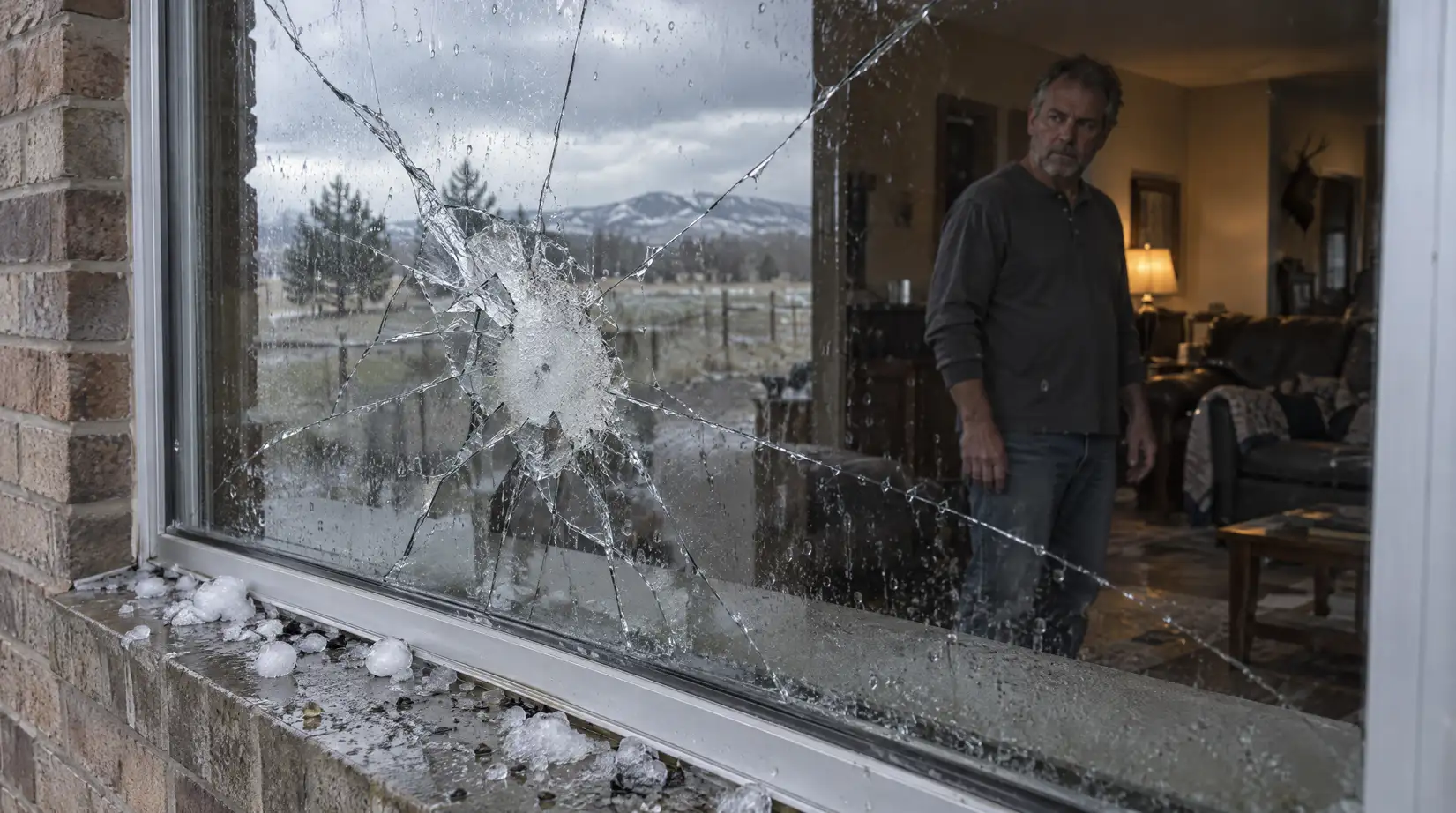
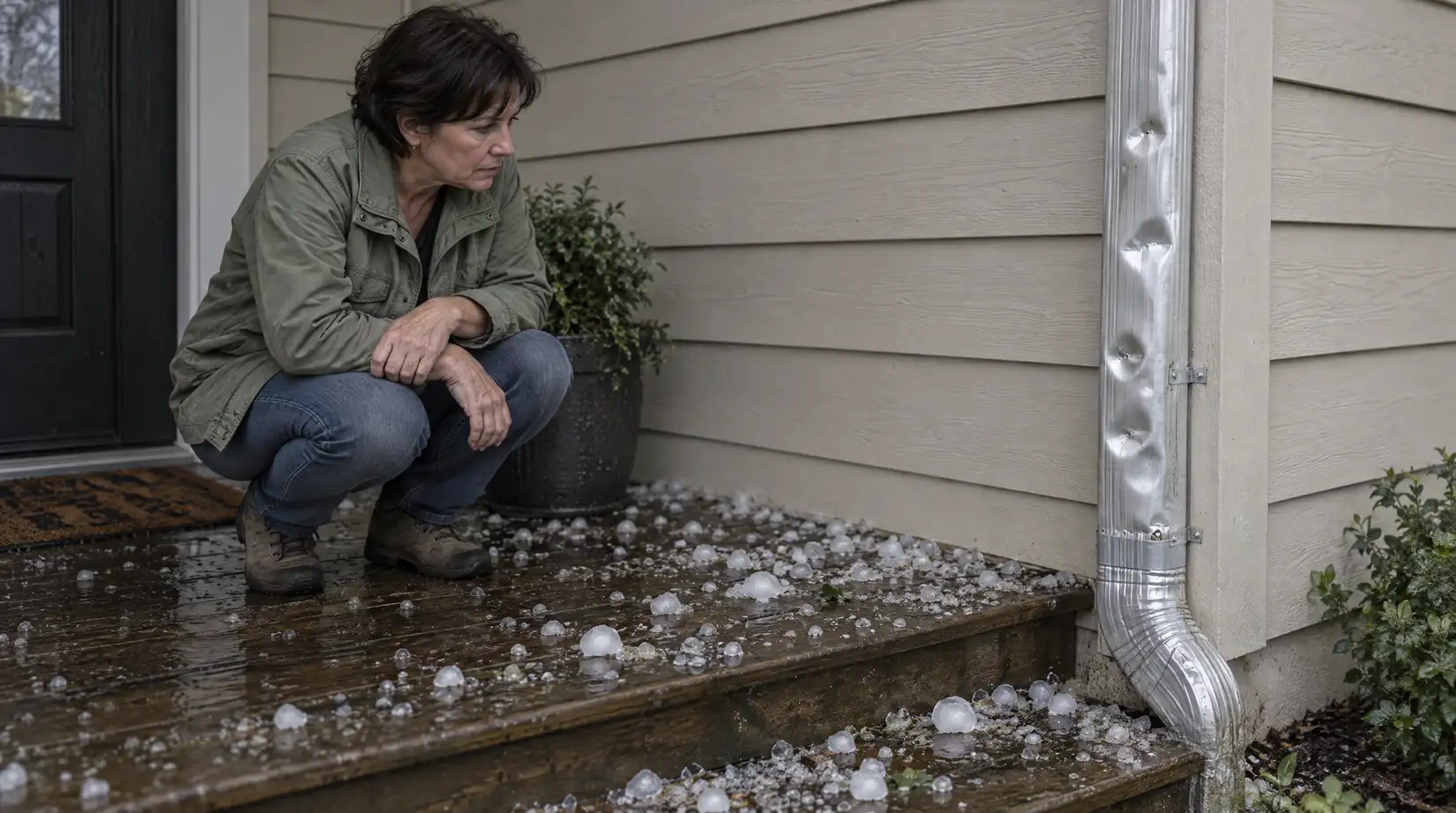
Texas ranks among the top three states for severe hail events year after year — more than 14,000 significant hail events from 2000 through 2023, according to NOAA’s Storm Prediction Center — and hail and wind claims are the dominant driver of Texas homeowners insurance losses, particularly across Central Texas. Yet Texas insurance rules allow carriers to exclude “cosmetic” hail damage from payment and to apply wind/hail deductibles worth thousands of dollars before a claim pays a cent. For Austin property owners, knowing how these rules interact is often the difference between a fair roof settlement and a check that doesn’t cover the repair.
Key Takeaways
- Peak hail months: April and May are historically the most active months for severe hailstorms across Texas.
- Storm-date proof: NOAA’s Storm Events Database holds National Weather Service hail reports for Travis County going back to January 1950 — match your damage date to a recorded event before you file.
- Wind/hail deductible range: Texas wind/hail deductibles are percentage-based, typically 1% to 5% of the insured dwelling value — 2% is now the dominant standard across most of the state.
- Cosmetic exclusion history: Texas has allowed insurers to exclude cosmetic hail damage to roofs since 1998 under Endorsements HO-145 and TDP-022.
- Public adjuster fee cap: Licensed Texas public adjusters may legally charge up to 10% of the total claim settlement amount.
- Dispute resolution right: Property owners who disagree with a payout can use their policy’s binding appraisal process — required in most Texas residential policies issued or renewed after January 1, 2026.
Austin’s Hail Season: Why Spring Matters
Texas hail season peaks in spring: April and May are historically the most active months for severe hailstorms across the state, and hail and wind claims — particularly across the Dallas–Fort Worth corridor and Central Texas — are the dominant driver of what Texas homeowners pay for insurance [1]. NOAA’s Storm Events Database, the public archive of National Weather Service storm reports with records from January 1950 onward, logs hail events for Travis County — so any property owner can verify whether a specific storm date was officially recorded [2].
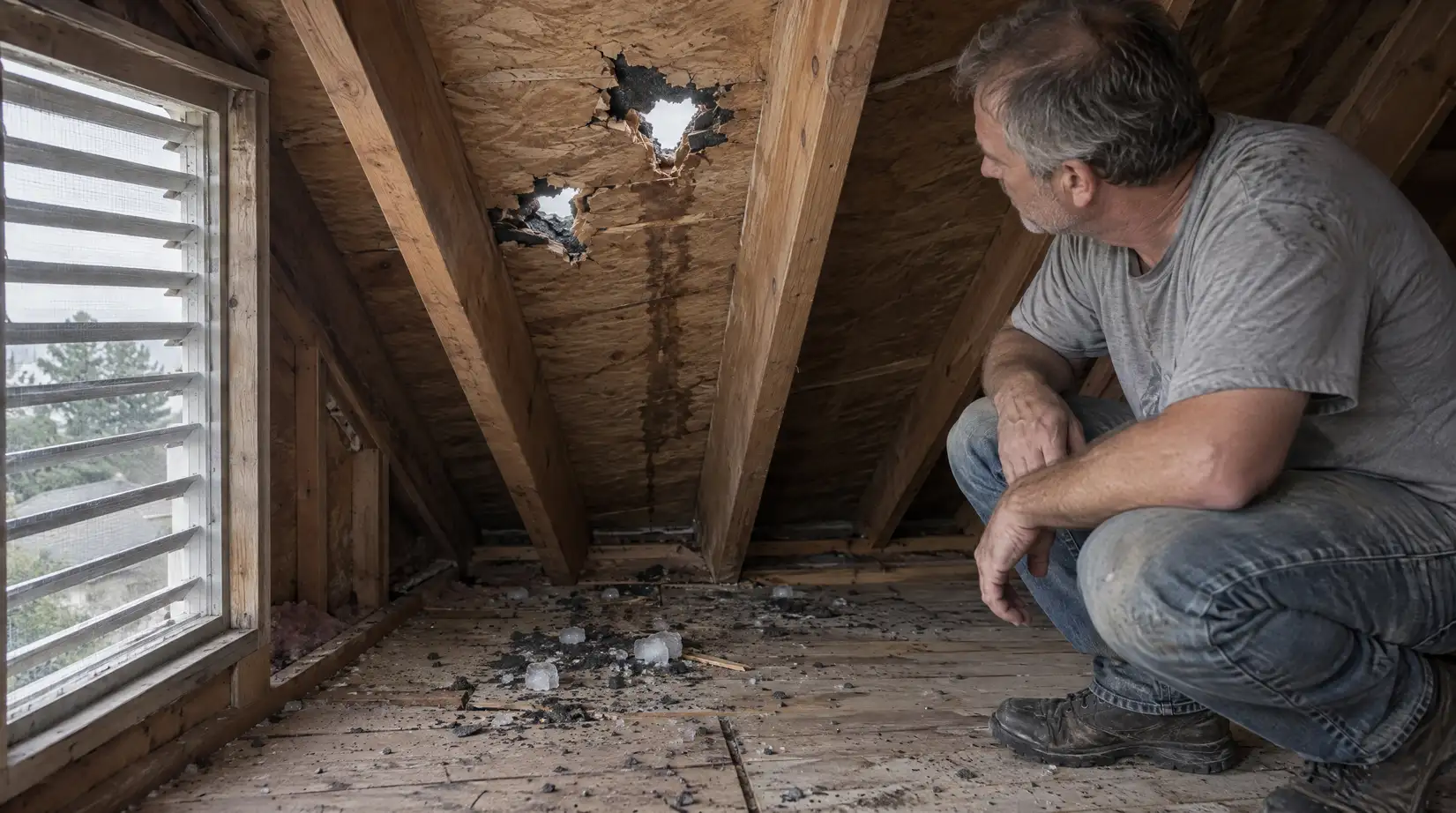
Not every hailstorm produces damage worth a claim. Property owners who match their damage date against NOAA’s storm records can establish, early on, whether a specific event was significant enough to justify a full roof claim rather than a partial or denied one — and a documented storm date gives the claim a verifiable starting point instead of a homeowner’s recollection [2].
What an Austin Hail Claim Should Pay
Because Austin’s frequent hail events don’t automatically translate into full payment, understanding what a claim should actually pay is the next step after storm damage occurs. The Texas Department of Insurance explains that replacement cost coverage pays to repair or replace a roof at current costs regardless of the roof’s age, while actual cash value (ACV) coverage pays less based on the roof’s age and condition [3].
| Scenario | Coverage Type | Deductible | Payout |
|---|---|---|---|
| Example roof claim | Replacement Cost | $4,000 | $6,000 (on a $10,000 roof) |
| Example roof claim | Actual Cash Value | Depreciation-dependent | Depreciated value at time of loss |
As roofs age, some carriers switch coverage from replacement cost to actual cash value, and if a roof is already in poor condition before the storm, the company might decline to cover it at all — TDI says your company should tell you when they change your coverage [4].
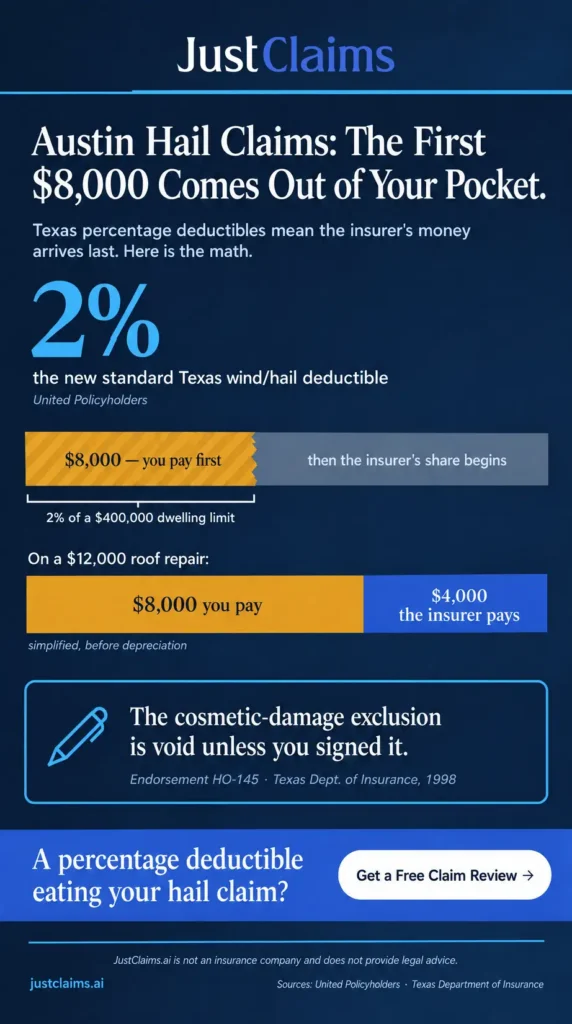
Deductibles complicate the math further. Wind and hail deductibles in Texas are frequently percentage-based — not a flat dollar figure but a percentage of the home’s insured dwelling value — and they typically run between 1% and 5%, with 2% now the dominant standard across most of the state [1]. That math can erase a smaller claim entirely: TDI’s own example shows a roof repair that costs less than a percentage deductible getting zero payout [5]. On a $400,000 dwelling limit with a 2% wind/hail deductible, the first $8,000 of any hail claim comes out of pocket before the insurer contributes anything [1].
The Cosmetic-Damage Argument on Central Texas Roofs
Because Texas allows insurers to limit payment for damage that only affects appearance, the cosmetic-damage argument is one of the most common reasons an Austin hail claim gets underpaid.
Texas has had a regulator-approved cosmetic hail damage exclusion since 1998, when the Texas Department of Insurance adopted Endorsement HO-145 for homeowners forms and TDP-022 for dwelling forms, both titled “Exclusion of Cosmetic Damage to Roof Coverings Caused by Hail,” under Commissioner Order No. 98-0390 (Bulletin B-0030-98) [6].
Under the filed endorsement language, cosmetic damage is defined narrowly: damage that alters the roof’s physical appearance but does not allow water to penetrate the roof covering and does not cause the roof to fail at keeping out the elements over an extended period [6]. This distinction matters because the endorsement can legally only be attached to a policy that is eligible for and receiving a premium credit for an impact-resistant roof covering meeting UL Standard 2218 — and it is void unless the insured signs it [6].
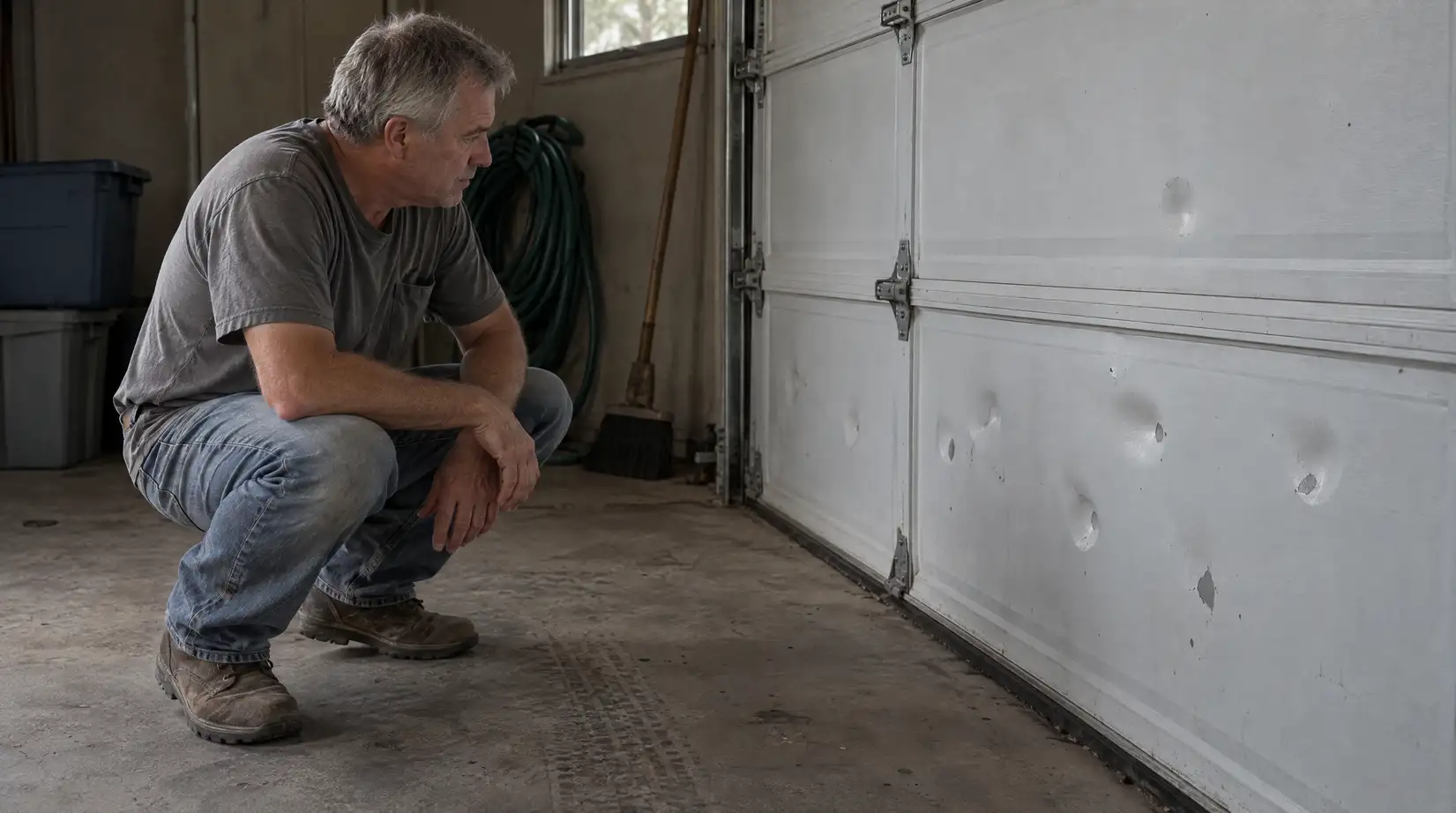
A separate version, TWIA Form No. TWIA-420, applies to coastal wind/hail policies and became effective June 15, 1999 [7]. Those attachment conditions are the pressure points. The 1998 order paired the exclusion with premium credits for impact-resistant metal roof coverings — and on a metal roof, hail dents that never let water through fall squarely under the cosmetic definition.
On composition shingle roofs, the same definition leaves more room to argue over whether granule loss and bruising affect the roof’s ability to keep out the elements, which makes the inspector’s documentation the deciding factor [6]. Property owners should check whether this endorsement appears on their declarations page and whether they ever received the required premium credit and signature disclosure tied to it [6].
Documentation and Supplements That Strengthen a Claim
Because both deductible math and cosmetic exclusions hinge on how damage is described in an inspection report, thorough documentation is a property owner’s primary defense against underpayment. TDI notes that under replacement cost coverage, insurers pay with two checks — a first partial payment, then the rest of the claim amount after repairs have started — and clarifies that policies do not pay for a new roof simply because it is old or worn out, which makes documentation showing storm-caused damage essential [4].
A supplemental claim adds newly discovered or underestimated damage to an existing claim rather than opening a new one — and it should be submitted with updated estimates, reports, and documentation [8]. Underpaid hail claims usually trace to the same short list: damage the first inspection never captured, pricing that doesn’t reflect the current cost of materials and labor, and disagreement over how much of the roofing system actually needs replacement.
A complete scope of loss is the fix: it documents the amount and type of damage, the quantity and quality of materials, and the current cost of the materials and labor needed to repair or rebuild — and a clear, complete scope is what helps an owner resist a lowball settlement [9]. TDI’s own dispute guidance starts from the same place: if you disagree with the adjuster’s final estimate, tell the company why — it may have overlooked something — and send supporting documentation, such as a contractor’s estimate for the repairs [10].
For an Austin-area claim file, TDI’s post-storm guidance leads with the same steps: take pictures and video of the damage, make a list of damage inside and outside the house, don’t throw damaged items away until the insurer says so, and get more than one repair estimate [11]. Pair that with storm-date verification against NOAA’s records [2] and a written comparison between the adjuster’s estimate and a contractor’s estimate, with any gaps submitted as a supplement request [10].
When to Get Help With an Underpaid Claim
Because documentation alone doesn’t resolve every dispute, knowing when and how to escalate an underpaid Austin hail claim matters just as much as the paperwork itself. TDI advises property owners who disagree with the adjuster’s final estimate that they can request an appraisal — a policy-based process where each side hires an appraiser, the two appraisers choose a neutral umpire, and the umpire’s decision is binding on both sides [10].
Policyholders should check their policy for appraisal demand deadlines and understand that they pay their own appraiser’s fee plus half the umpire’s expenses [10]. And that right is no longer optional boilerplate: Senate Bill 458, applying to policies issued or renewed after January 1, 2026, requires personal and residential property insurance policies to include an appraisal provision for resolving disputes over the amount of a loss — TWIA policies excepted [1].
If a property owner believes an insurer acted unfairly, they can file a formal complaint with TDI, and if the outcome is unsatisfactory, they still retain the right to sue the insurer or ask for mediation with a neutral third party [10].
A licensed Austin public adjuster can also be hired to negotiate directly with the insurer on a denied or underpaid claim; public adjusters may legally charge up to 10% of the total amount the company will pay, and Texas law gives consumers 72 hours after signing a contract to cancel it [12].
Texas law also prohibits public adjusters from acting as the property owner’s contractor, knocking on doors for business during a natural disaster or after 9 p.m., or accepting referral fees from attorneys or contractors tied to the claim — license status and complaint history can be checked through TDI’s Help Line at 800-252-3439 [12].
Frequently Asked Questions
When is Austin’s hail season, and does it matter for my claim?
Texas hail activity peaks in spring — April and May are historically the state’s most active months for severe hailstorms [1]. Filing promptly and matching your damage date to a documented storm event in NOAA’s Storm Events Database can support your claim’s storm-caused timeline [2].
Why did my insurer say my roof damage is “cosmetic”?
Texas has allowed a specific cosmetic-damage exclusion endorsement on roof coverings since 1998, which limits payment for hail damage that only changes a roof’s appearance without letting water through or affecting the roof’s ability to keep out the elements [6]. The endorsement is void unless the insured signed it, and it can only be attached to a policy receiving an impact-resistant-roof premium credit — so whether the endorsement was validly attached at all, and whether granule loss or bruising crosses the cosmetic line, are both worth challenging [6].
Why does my hail claim payout seem lower than the repair estimate?
Texas wind/hail deductibles are frequently calculated as a percentage of the insured dwelling value rather than a flat dollar amount, and the deductible is subtracted from each claim before payment is issued [1][5]. Depending on your coverage type — replacement cost versus actual cash value — your payout may also reflect depreciation tied to your roof’s age [3].
What is a supplemental claim, and when should I file one?
A supplemental claim adds damage that was missing from or underestimated in the original submission — it modifies your existing claim rather than starting a new one [8]. Support it with photo documentation, a contractor’s repair estimate, and a written comparison against the insurer’s scope of loss [9][10].
How to Protect Your Austin Roof Claim
Austin’s hail season is predictable, but the payout on a hail claim rarely is — deductible percentages, cosmetic-damage exclusions, and rushed adjuster inspections all work against a full recovery unless a property owner documents damage carefully and knows which dispute tools TDI makes available.
Reviewing your declarations page for a cosmetic-exclusion endorsement, confirming your deductible in dollar terms rather than percentage terms, and keeping dated photo evidence from the moment a storm hits are the steps that matter most before a claim is even filed. Upload your Austin hail damage claim documents to Justin to see in minutes whether your insurer’s cosmetic-damage exclusion or deductible calculation actually matches your policy language.
This content is for informational purposes only and does not constitute legal or insurance advice. Coverage decisions depend on the specific terms, conditions, and exclusions of each policy and the laws of the applicable jurisdiction; policyholders and contractors should consult with a qualified professional for advice on their particular situation.
Sources
[2] Storm Events Database — NOAA National Centers for Environmental Information
[3] Home policies: Replacement cost or actual cash value? — Texas Department of Insurance
[5] What to know about deductibles — Texas Department of Insurance
[6] Bulletin B-0030-98: Commissioner Order No. 98-0390 — Texas Department of Insurance
[8] NFIP Proof of Loss, Damage Estimates and Supplemental Claims — United Policyholders
[9] The Scoop on Scope of Loss — United Policyholders
[10] What if my insurance isn’t paying enough? — Texas Department of Insurance
[11] Hail damage to your home or car? What to do next — Texas Department of Insurance

Stephane Elias

A seasoned insurance professional with nearly a decade of experience, Stephane Elias is currently serving as a Senior Claims Professional and Public Adjuster with JustClaims. Throughout his career, Stephane has represented policyholders through leading public adjusting firms and served as a loss consultant for law firms specializing in insurance litigation, giving him extensive expertise in complex property insurance claims. A licensed public adjuster in TX (#2645032), FL (#W564547), and six other states, he specializes in commercial and residential property claims, claims management, appraisals, mediation, and strategic partnerships. Stephane is passionate about helping policyholders overcome delayed, denied, and underpaid insurance claims, ensuring they receive the full recovery they’re entitled to under their policy.