Vandalism Insurance Claim: Coverage & Filing Steps
November 19, 2026
Written by Collin Corcoran
Share


Vandalism is usually covered under standard property policies, but coverage can end when a building sits vacant too long — often 30 days or more, with 60 days common, depending on the form and the state. Who caused the damage and how well you document it can decide the claim. Knowing the exclusions before you file helps you avoid a preventable denial.
Key Takeaways
- Vandalism vs. malicious mischief: Policies usually list them together as one covered cause of loss, and regulators describe malicious mischief as similar to vandalism.
- Typical vacancy window: Coverage often ends after 30 days or more of vacancy, with 60 days common, depending on the form and state.
- Commercial vacancy reduction: Commercial property forms can cut payment by 15% on covered losses that the vacancy exclusion does not remove.
- Commercial vacancy test: A building can count as vacant unless at least 31% of its square footage is rented and used for customary operations, or used by the owner for them.
- Vehicle damage: A vandalized car is handled under the auto policy’s comprehensive coverage, not the property policy.
- Police report: Report vandalism to police promptly and keep the report number; many policies require notice for criminal acts.
Vandalism vs. Malicious Mischief: What the Terms Mean
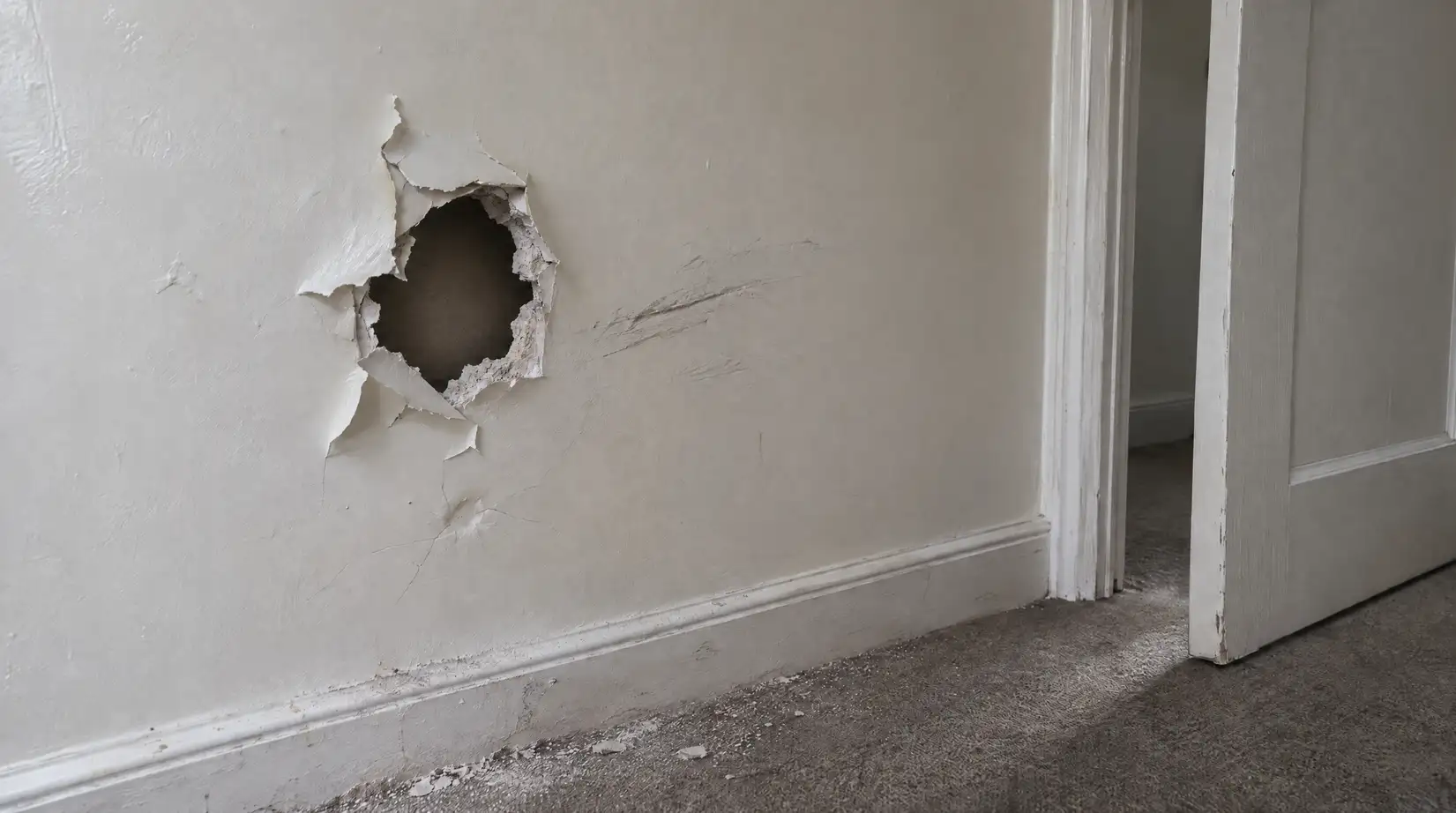
Vandalism is generally defined as willful and malicious damage to, or destruction of, the policyholder’s property. Malicious mischief is similar: the willful destruction of property for vicious or mischievous purposes [1]. Policies usually list the two together as one covered cause of loss, so the label rarely changes the claim. Focus on the facts that do: who caused the damage, whether the property was occupied, and what your policy says about both.
Intentional damage by the policyholder or another insured is excluded [2]. Vehicles are a separate case. Vandalism to a car falls under the auto policy’s comprehensive coverage [3].
What Is Covered and What Is Excluded
Because vandalism is usually covered, disputes often involve exclusions. Vacancy, glass breakage and the identity of the person who caused the damage are three issues that can affect a claim.
Vacancy Provisions
Many policies contain a vacancy provision that can end vandalism coverage when a property has been vacant for a set number of consecutive days. The period is often 30 days or more, with 60 days common, depending on the form and the state [1][4]. Under ISO commercial property forms, loss in a building vacant for more than 60 consecutive days is excluded, and vandalism is one of the excluded perils. [5]
| Policy type | Vacancy trigger for the vandalism exclusion |
|---|---|
| ISO commercial property | More than 60 consecutive days [5] |
| Residential homeowners and dwelling forms | 30 days or more; often 60, depending on the form, insurer and state [1][4] |
Definitions of “vacant” vary. On commercial forms, a tenant’s unit is vacant if it lacks enough business personal property for customary operations. An owner’s building is vacant unless at least 31% of its total square footage is rented and used for customary operations, or used by the owner for them. Buildings under construction or renovation are not considered vacant [5].
Under the same vacancy provision, covered losses that are not excluded are paid at a 15% reduction [6]. A Vacancy Permit endorsement can delete the standard vacancy condition and allow a building to be vacant, subject to conditions such as securing and inspecting the property [7]. If a building may sit empty, ask your agent about that endorsement before a loss occurs.
Plate Glass and Building Glass
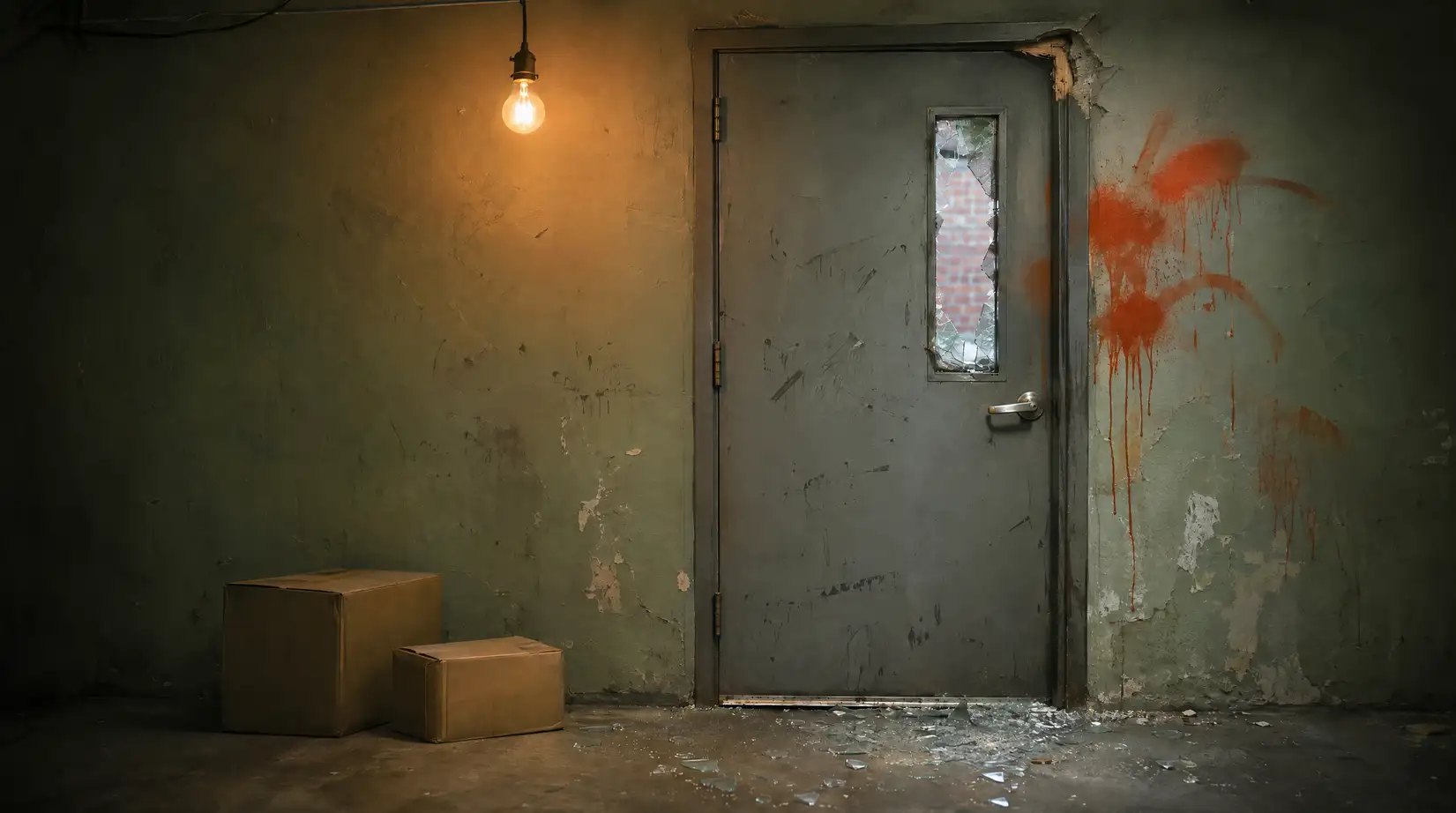
Glass breakage can be part of a vandalism loss. The ISO vacancy exclusion lists building glass breakage alongside vandalism [5]. A storefront window smashed in a vacant building may therefore be excluded for the same reason as graffiti or interior destruction. Check whether your policy lists glass separately.
Tenant, Resident and Family Damage
Damage by a spouse or family member who is an insured is typically excluded as an intentional act [2]. Whether a tenant counts as an insured depends on the policy’s definitions. Read the definition of “insured” before assuming either way.
Police Report and Documentation Pack
Since coverage can turn on who caused the damage and when, your paperwork can help support your claim. Report vandalism to police promptly and keep the report number; many policies require notice of criminal acts. [1] Your insurer may ask for the details of the event.
Build a documentation pack with these items:
- Police report number and a copy of the report [1].
- Photos from every angle, including damage the police do not document [8][9].
- An inventory of damaged or stolen items, with receipts where possible [8][9].
- Receipts for reasonable temporary repairs, which may be reimbursed subject to your policy terms and limits [9].
Do not make extensive permanent repairs until a claims adjuster has assessed the damage. Make temporary repairs to prevent further damage if it is safe to do so, and keep receipts [9].
Commercial vs. Residential Vandalism Coverage
The same vacancy and “who did it” questions apply to both, but the policy mechanics differ. Standard commercial, residential, condo and renters policies generally cover vandalism and malicious mischief [1][4]. Intentional damage by an insured is excluded [2].
On the commercial side, the Basic Form covers specifically listed perils including vandalism; the Broad Form adds perils; the Special Form covers losses not specifically excluded [10]. Theft is often handled separately. In one Florida case, the commercial policy excluded loss caused by theft, except for building damage caused by a breaking in or exiting of burglars. [11] Check whether your form includes crime coverage. ISO commercial property forms also carry a vacancy provision that excludes vandalism, glass breakage, theft and attempted theft once the building is vacant for more than 60 days [5].
Owners in dense urban markets such as Manhattan should apply the same checks: review the vacancy wording, confirm whether theft is a separate coverage, and confirm the deductible. For a broader walkthrough, see our guide to the commercial property insurance claim process.
Vandalism Claim Steps
Because one missed step can hand the carrier a reason to dispute when or how the damage occurred, follow the sequence below. The steps reflect consumer claim guidance from state regulators and United Policyholders [1][8][9].
- Document the damage. Walk around, take notes, and check whether anything was stolen or damaged inside [8][9].
- File a police report as soon as possible. A prompt report can help if you file an insurance claim [1].
- Take your own photos. Do not rely only on the police report [8][9].
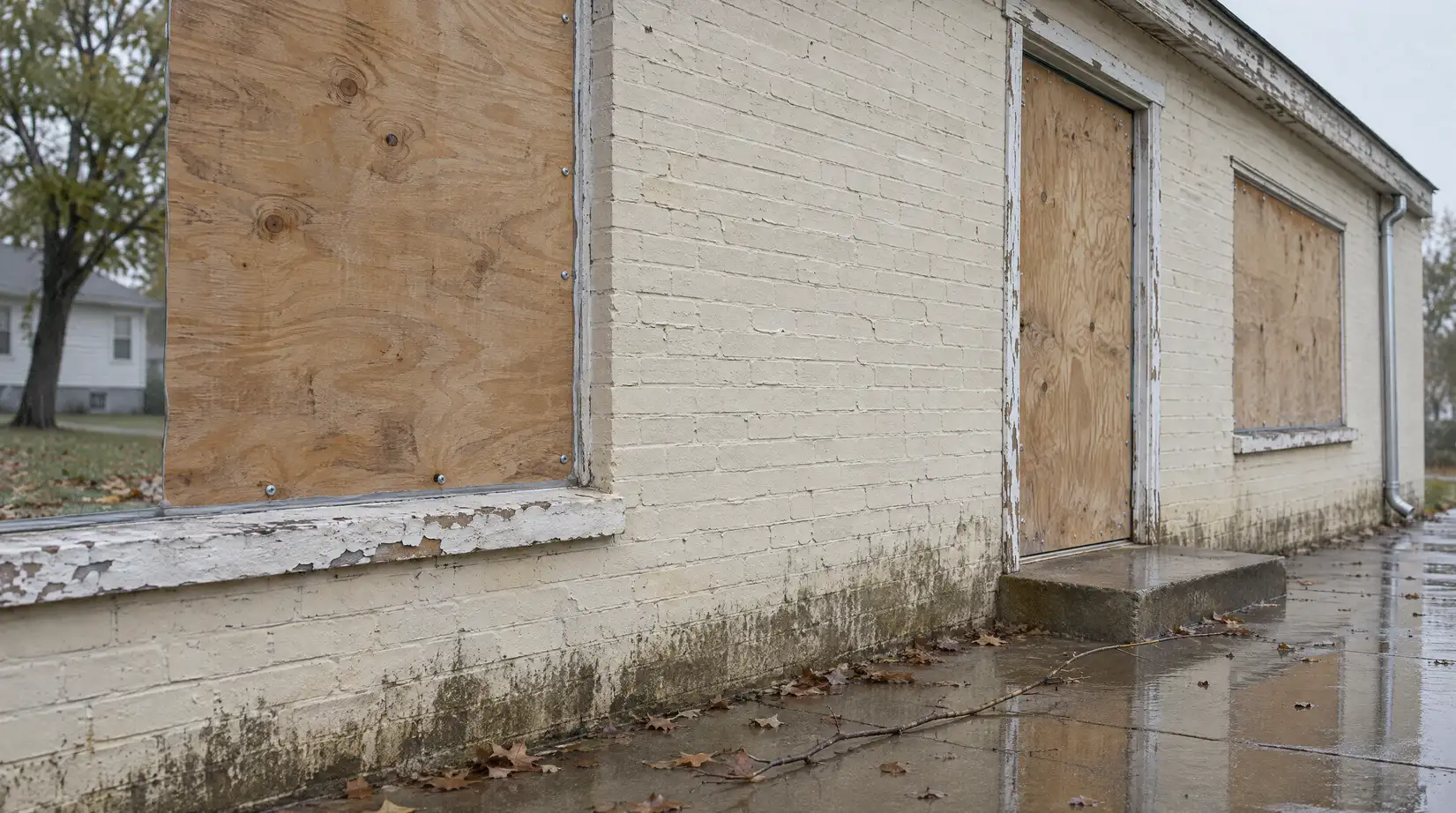
- Secure the property. Keep receipts for protective materials and temporary repairs [9]. If windows or doors are open to the elements, see our guide to emergency board-up.
- Contact your insurer with as much information as you can, including the police report. The insurer may send a claims adjuster [9].
For a vehicle claim, file with your auto insurer under comprehensive coverage and provide the police report and photos. [3]
Vandalism Claim Denials and Appeals
When a carrier denies a vandalism claim, the stated reason usually falls into the same few categories this guide has covered. Compare the denial letter with the exclusion it cites.

- Vacancy. Check how your policy defines “vacant” and whether the building met the occupancy test described above [5]. Buildings under renovation are not considered vacant under ISO wording [5].
- Undefined terms. Courts have split on whether arson counts as “vandalism” for the vacancy exclusion. One court held that the policy covered arson and did not apply the vandalism exclusion to a vacant dwelling [12].
- Who caused the damage. If the carrier says the person was an insured, ask what evidence supports that [2].
- Wrong policy. Vehicle damage belongs under comprehensive coverage, so confirm the claim went to the right policy [3].
Ask for the denial in writing, including the reasons and the policy provision cited. California’s claims regulations, for example, require a denial to be in writing with specified reasons [9]. Gather your police report and dated photos [1]. Our guide to a home insurance claim denied explains the next steps.
Frequently Asked Questions
Is vandalism covered by insurance?
Standard commercial, residential, condo and renters policies generally cover vandalism [1][4][13]. Intentional damage by an insured is excluded, and exclusions such as vacancy can still apply, so the policy wording matters [2].
How long can a building be vacant before vandalism coverage ends?
Many policies set the cutoff at a number of consecutive days — often 30 days or more, with 60 days common — depending on the form, insurer and state [1][4][13]. Some residential policies use a different period in an unoccupied-dwelling clause, so confirm the figure on your form [4].
Does my property policy cover a vandalized car?
No. Vandalism to a vehicle is handled by the auto policy’s comprehensive coverage [3]. File that claim with your auto insurer.
Do I need a police report to file a vandalism claim?
Many policies require notice of criminal acts, so report the vandalism to police and keep the report number [1]. Give your insurer the details of the event [1].
Is damage by a family member or tenant treated as vandalism?
Intentional damage by an insured, including a spouse or family member covered by the policy, is excluded [2]. Tenant damage depends on whether the tenant is an insured under your policy and on its wording, so review those terms.
How to Protect Your Vandalism Claim
Vandalism denials often involve a vacancy exclusion, a question about who caused the damage, or limited documentation. Check your vacancy wording before a loss, ask about a Vacancy Permit endorsement if a building may sit empty, and build your documentation pack before the adjuster arrives.
If the carrier has already cited an exclusion, get a free policy review with Justin to see how your policy defines vacancy and what the exclusion actually says.
This content is for informational purposes only and does not constitute legal or insurance advice. Coverage decisions depend on the specific terms, conditions, and exclusions of each policy and the laws of the applicable jurisdiction; policyholders and contractors should consult with a qualified professional for advice on their particular situation.
Sources
[1] Fact Sheet: Insurance Coverage During Civil Unrest (2020) — California Department of Insurance
[2] Brown v. Ohio Casualty Insurance Co., 519 S.E.2d 726 (Ga. Ct. App. 1999) — CourtListener
[3] Automobile Insurance Text Version — California Department of Insurance
[4] Home Insurance: Nevada Consumer’s Guide (2024 Edition) — Nevada Division of Insurance
[8] How to File a Homeowners Insurance Claim (2022) — United Policyholders
[9] Residential Property Claims Guide (2025) — California Department of Insurance
[10] Commercial Property Insurance — Maine Bureau of Insurance
[11] General Star Indemnity Co. v. Zelonker (Fla. 3d DCA 2000) — CourtListener
[12] Wells Fargo Bank, N.A. v. Allstate Ins. Co., 290 F. Supp. 3d 715 (N.D. Ohio 2017) — CourtListener

Collin Corcoran

Experienced Public Adjuster and Property Claims Specialist, Collin is licensed in New York (#1603393), New Jersey (#3003700204), and Connecticut (#19820270). With 20+ years of hands-on construction and property damage experience, he specializes in residential and commercial claims, complex loss inspections, policy review, detailed estimating, and strategic negotiation. Collin’s background in construction, asset management, emergency response, and claims documentation allows him to accurately identify damage, understand repair requirements, and advocate effectively for policyholders. He works with homeowners, business owners, contractors, and insurance professionals to move claims forward with clarity, accuracy, and confidence. Collin is committed to transparency, technical precision, strong communication, and securing fair outcomes for policyholders.