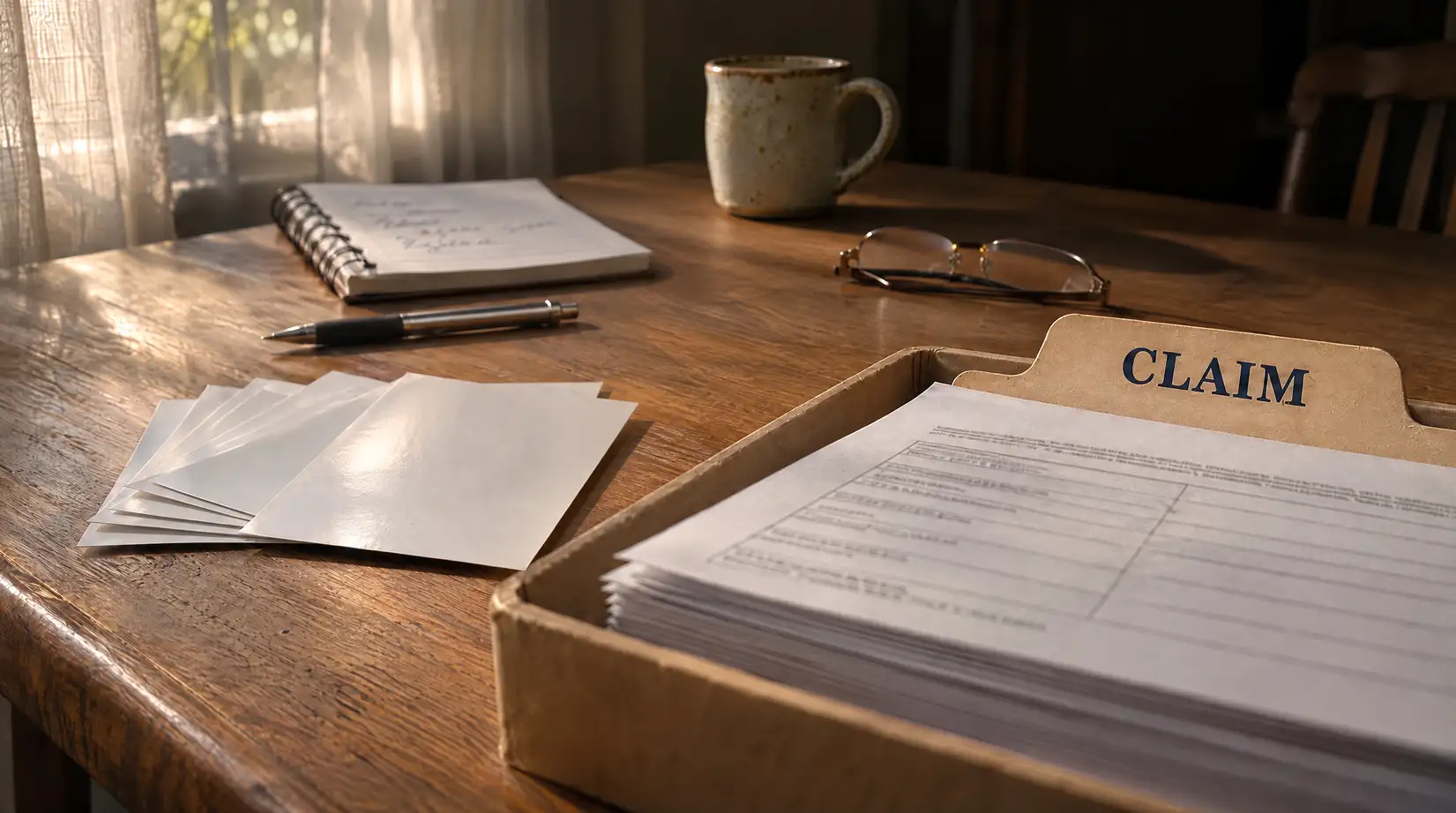
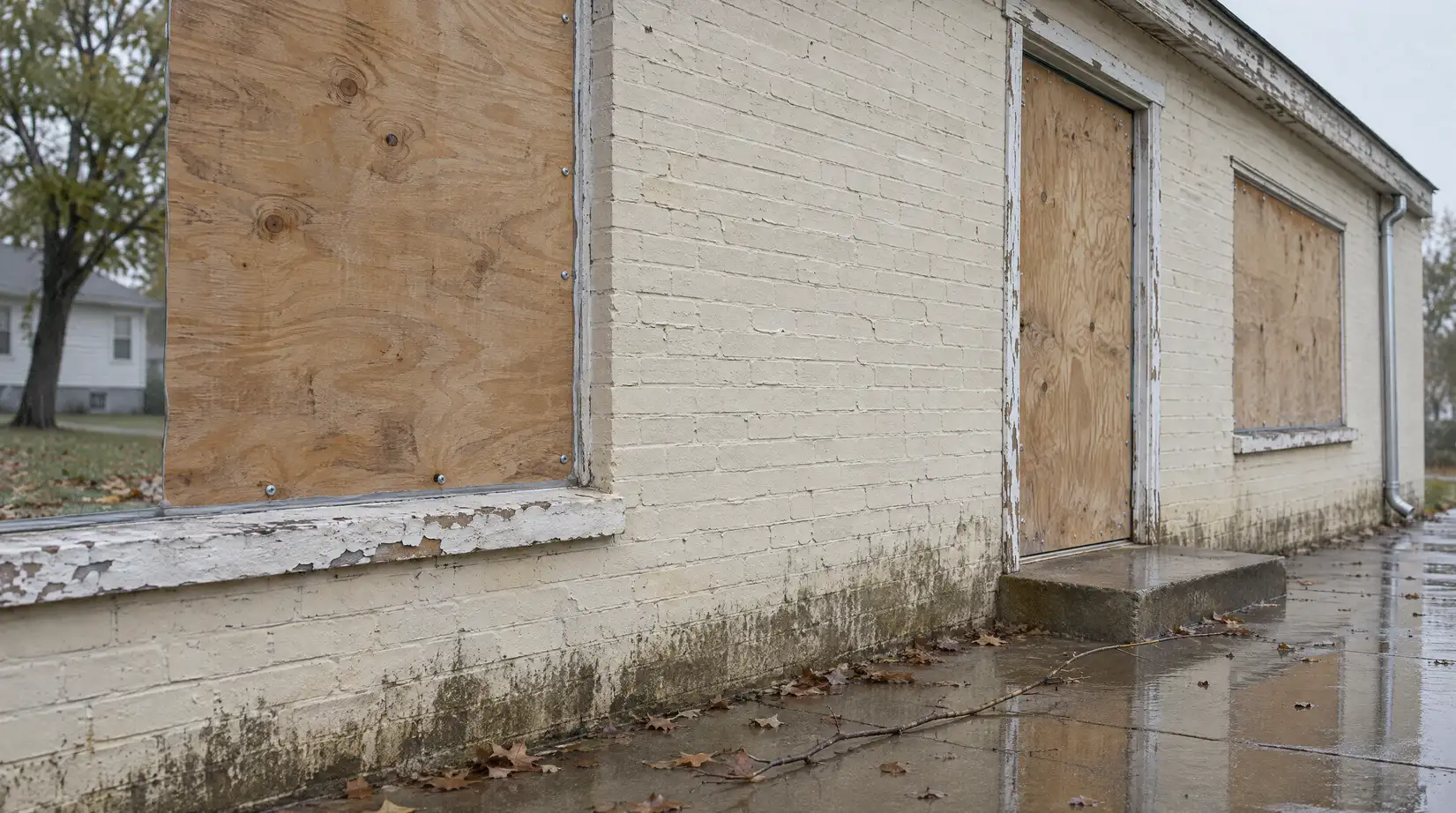
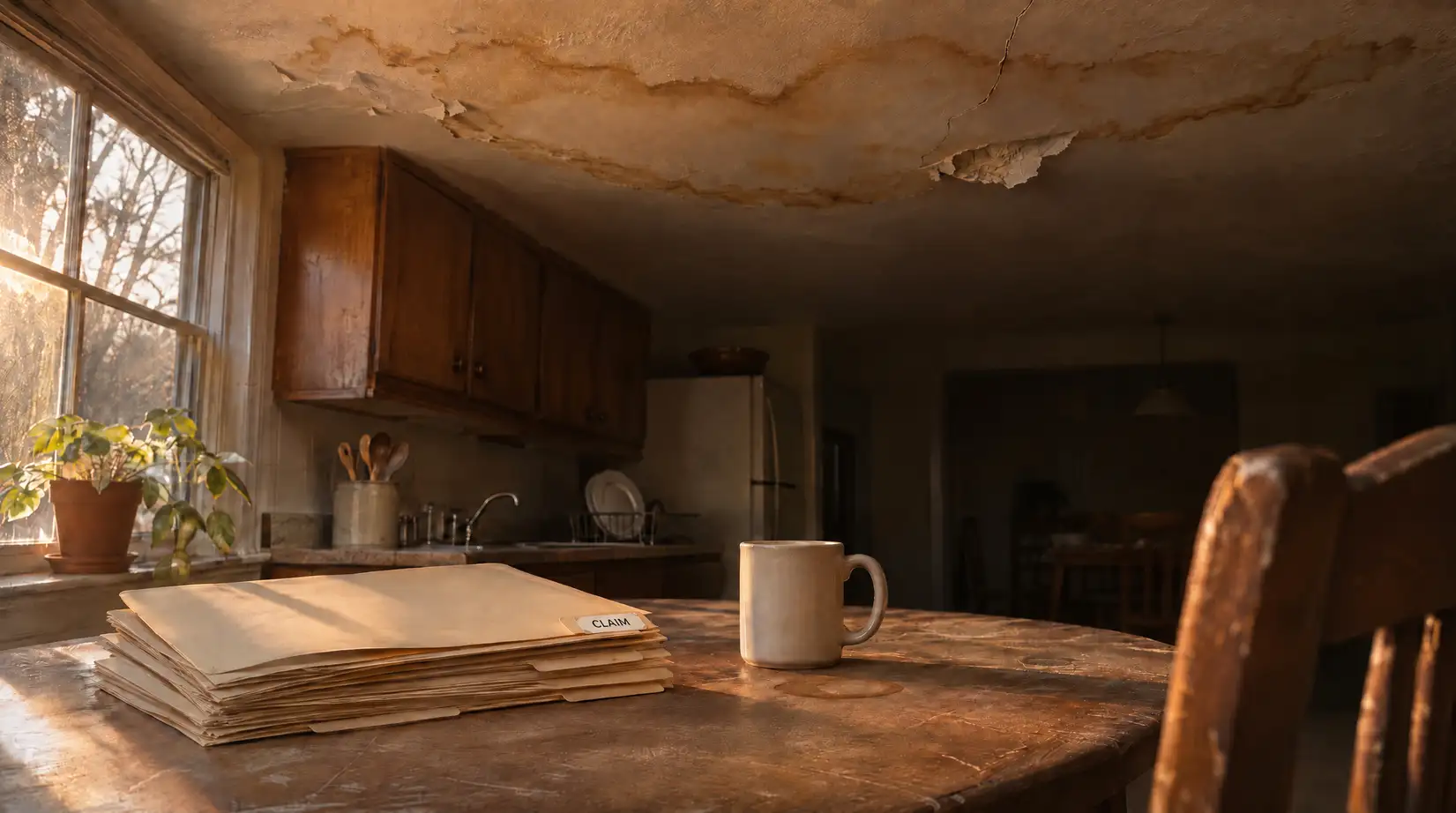
Home Insurance Claim Denied? 6 Steps That Work
November 16, 2026
Written by Collin Corcoran
Share


A home insurance claim denial is a starting position, not a final answer. Your first job is to find the reason the insurer actually relied on, because that reason decides everything that follows: which evidence matters, which appeal route applies, and how long you have. Answer the stated reason, not the general insult of being denied — and do it before the clock runs out.
Key Takeaways
- The letter is a checklist, not a verdict. Whatever reason it gives points to one specific piece of evidence or one specific appeal route.
- Read the cited provision before you argue. The policy language the insurer names tells you whether this is a coverage fight or a number fight.
- Appraisal fixes price, not coverage. If both sides agree the loss is covered but not what it costs, appraisal is the tool. If coverage itself is denied, appraisal is the wrong door.
- A department of insurance complaint costs nothing. State regulators investigate consumer complaints at no charge.
- Confirm the deadline the day the letter arrives. Appeal windows come from the policy and from state rules, and some are short.
- Flood is a separate purchase. Standard homeowners policies do not cover flooding, and flood coverage has to be bought separately.
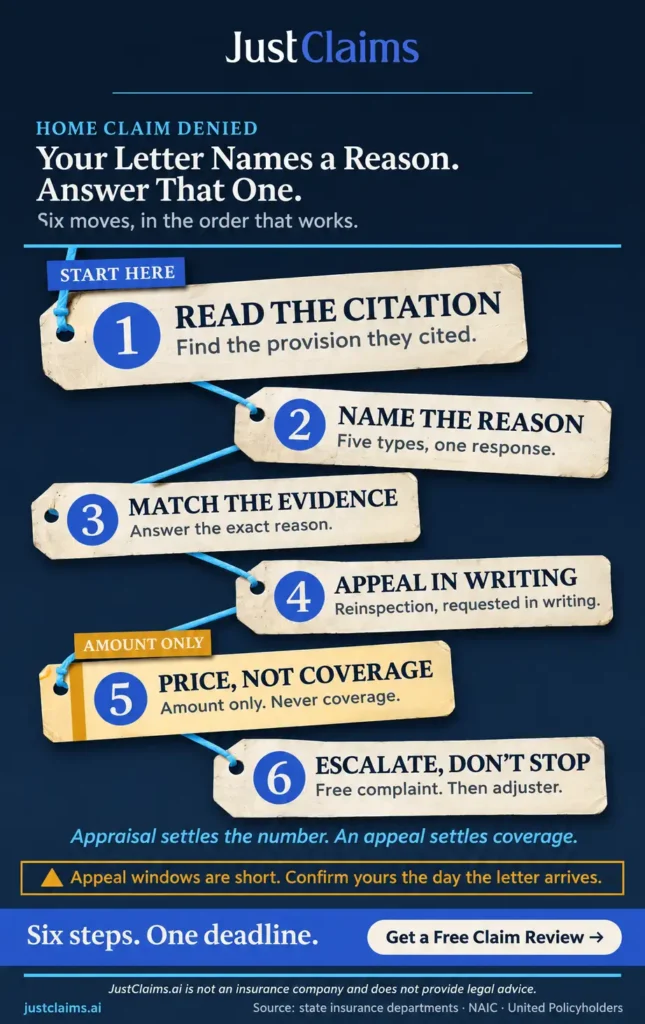
Step 1: Read the Denial Letter and Extract the Cited Provision
The first step is to find the exact reason behind the denial, because every later move depends on it. Ask the insurer for a letter setting out the reasons for the denial, and for copies of the documentation it relied on [1]. If the letter is vague, request the exact wording of the policy language the insurer is using to reject the claim [2].
Some states set this out in rules. In California, a denial must be in writing, give specified reasons, and tell you that the California Department of Insurance may review the matter if you believe the claim was wrongfully denied [3]. California also requires the written denial to reference the specific policy provision and explain how it applies to your claim, not merely cite it [4]. In Missouri, a denial must be in writing and refer to a specific policy provision [5]. Rules differ by state, so check the ones that apply to your policy.
Pull out three things from the letter:
- The provision, exclusion or condition quoted or cited
- The facts the insurer says place your loss under that provision
- Any documents the insurer says are missing
Then compare the cited language with your full policy. If the letter cites no provision at all, a state department of insurance can look into complaints about unfair claim denials and failure to honor the policy, and it does so at no charge [6].
Reading a clause against your own declarations page is where most people stall. If you want that comparison done for you, get a free policy analysis with JustIn — upload the policy and it summarizes your coverage, exclusions and limits in plain English.
For the broader picture of how carriers build a denial, see our guide to insurance claim denial. This article stays on the recovery path.
Check the Appeal Deadline Immediately
Look in the letter and the policy for an appeal deadline the day the letter arrives. Appeal windows are set by the policy and by state rules, and some are short: FEMA’s flood program, for example, requires an appeal within 60 days of the date on your denial letter [7]. Confirm your own deadline in writing rather than assuming you have months. Missing the date can limit your options.
Step 2: Classify the Reason Before You Argue
Once you know the cited reason, sort it into a category. Each category calls for a different response, which is why the letter’s wording matters. Regulators keep describing the same short list of reasons behind denials and non-payments:
- The cause of damage is not a covered peril. You are covered only if the loss is caused by a peril your policy covers [8].
- The damage came from maintenance, wear and tear, or neglect. A homeowners policy is not a maintenance contract, and it does not pay to repair items that simply wear out [8]. Oregon’s regulator explains the logic: policies generally exclude seepage, dry rot and pest damage because those problems are usually the result of poor maintenance rather than a sudden and accidental event [9].
- The claim was filed or reported late. Most companies set deadlines for filing a claim, and some policies carry a one-year deadline unless you can show good cause for the delay [10].
- The loss sits below the deductible. Florida’s insurance regulator lists damage below the policy deductible as one of the top reasons claims close without payment [11].
- The loss exceeds the policy limits. A policy pays only up to its dollar limits, so anything above the cap is not payable [10].
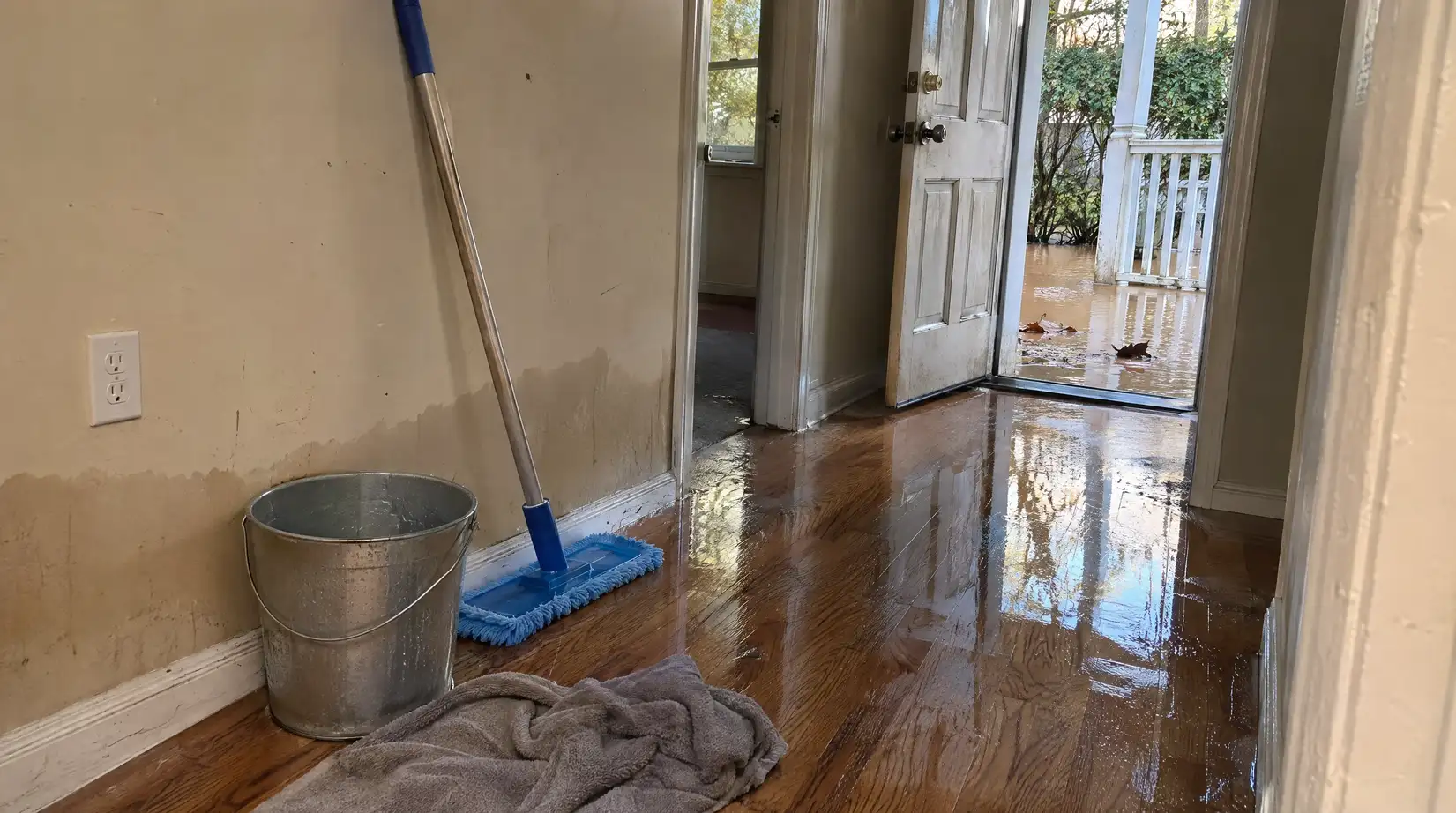
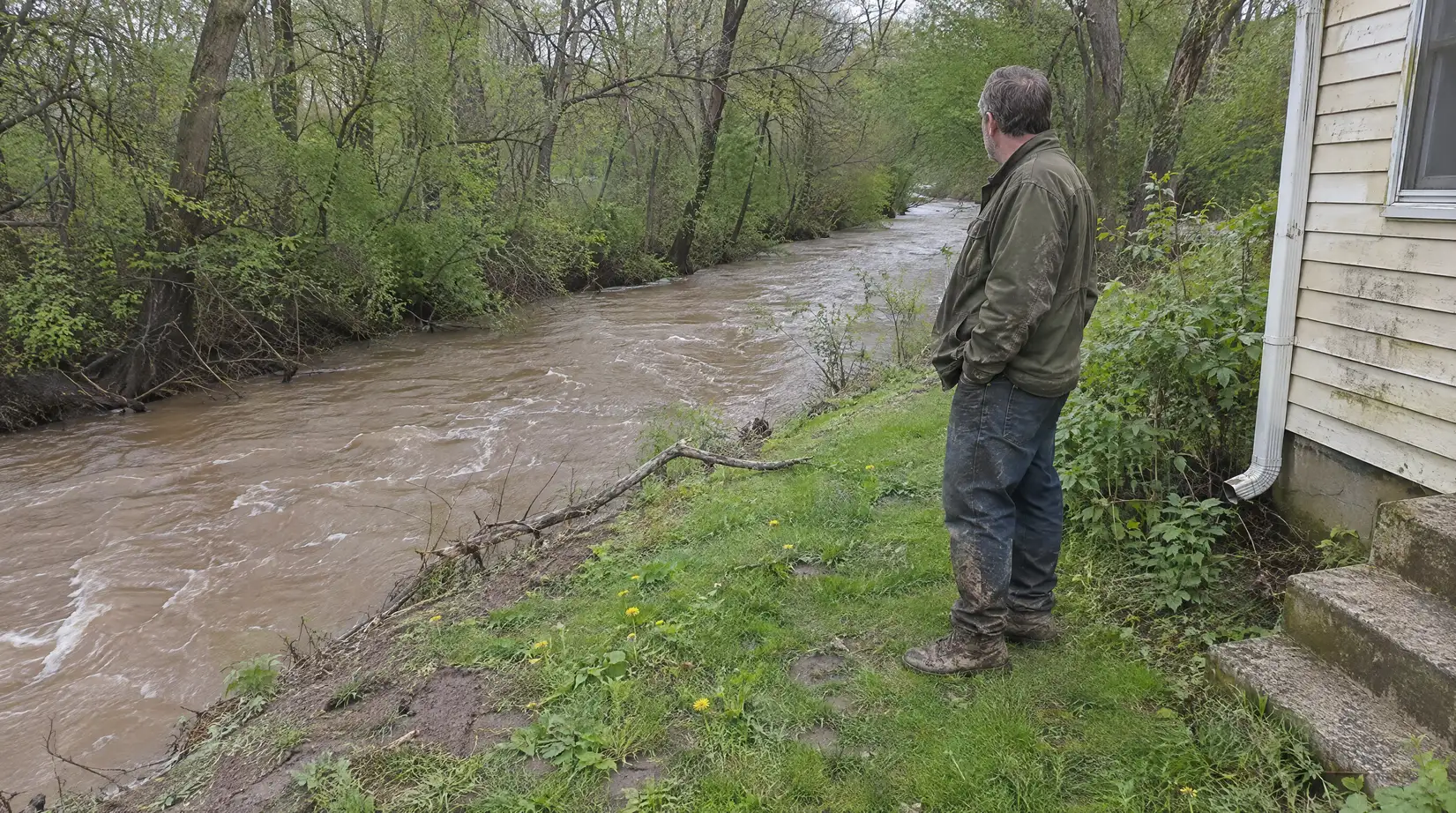
Flood is the clearest example of that first reason. Homeowners policies exclude water damage caused by flood, and flood coverage has to be bought separately through a program such as the National Flood Insurance Program [12]. Washington’s insurance regulator puts it bluntly: your homeowner policy will not cover flooding, and you must buy flood insurance separately [13]. New Hampshire’s insurance department says standard homeowners policies do not cover most flood-related losses [14].
If your denial is about water, the first question is which kind of water caused it, because a standard policy treats a burst pipe and a rising flood very differently. Our guide to a water damage claim denied works through that split before you spend money on an appeal.
Three of these reasons are checkable numbers rather than judgement calls: a deadline, a deductible and a policy limit. The other two turn on evidence and policy language, which is why the next step looks different depending on which one your letter names.
Step 3: Build Evidence That Answers That Reason
Because every denial reason maps to a category, the strongest appeals answer that specific reason with documents instead of general objections. Here is how evidence lines up with common reasons.
Undocumented or “Not Shown” Damage
The Texas Department of Insurance advises photographing or videoing the damage and keeping damaged items until an adjuster has seen them [15]. That is the baseline evidence for answering a denial that says the damage was undocumented or not shown.
Disputed Repair Cost
The California Department of Insurance advises getting at least one repair estimate or bid [16]. You can compare it with the insurer’s estimate to see how the actual repair cost compares with your coverage limits and the insurer’s figure [16]. The same page advises checking a contractor’s licensing status before hiring [16]. The Texas Department of Insurance likewise says that if you think the company should pay more, you should tell it why and send supporting documents, such as a contractor’s estimate [17].
Repairs Made Before Inspection
The Indiana Department of Insurance says an insurer may deny a claim if you make permanent repairs before the damage is inspected [18]. It also advises getting a repair cost estimate before meeting the adjuster and giving the adjuster records of any improvements you made [18]. If your denial raises this issue, those improvement records can help show the condition of the property.
Building Your Evidence Packet
Build one packet and keep a copy of everything. The National Association of Insurance Commissioners advises keeping a file of all the paperwork you completed, received or signed, including the policy, correspondence and any claims submitted [8]. Organize that packet in the order of the denial reasons, so the reviewer can see each answer sitting next to the reason it responds to.
Step 4: Put the Appeal in Writing and Ask for Reinspection
Because a denial turns on the reason in the letter, your appeal should answer that reason point by point. Put it in writing: explain why you disagree, attach the supporting documentation, and ask the company to review the claim again. Texas’s insurance department puts the ask plainly — if you disagree with the adjuster’s final estimate, tell the company why and send the documentation, such as a contractor’s estimate for the repairs [17]. Send it by certified mail so you have proof of the date you mailed it [19].
Ask for a Reinspection
If you dispute how much damage the property has, ask for a second look. The Texas Department of Insurance recommends being there when the adjuster inspects, and bringing your contractor with you [10]. The same agency notes you can ask for a second look when you think a claim was denied or not paid properly [17]. If the number still does not move, escalate to a formal written appeal with contractor estimates, a scope of loss and photographs of the damage.
Keep the Tone Professional
Keep the letter clear, polite and short. United Policyholders advises that letters to an insurer should not be threatening or lengthy — they should be clear, polite and to the point [19]. If the relationship with the assigned adjuster has broken down completely, you can ask the company to assign a different one [20].
Use the Insurer’s Internal Process
New Jersey’s Department of Banking and Insurance tells property owners to ask the company’s Internal Appeals Panel to review a disputed claim, and notes that the company will generally ask for the dispute in writing with documentation supporting your position [12]. Maryland’s Insurance Administration says your first step should be to contact your insurer or insurance producer directly [21]. If the appeal involves roof damage, our guide to a roof insurance claim covers how to document that type of loss.
Step 5: Use Appraisal Only for Amount Disputes
Appraisal is the right tool only when the disagreement is about price, which is why identifying the denial type first matters. The Texas Department of Insurance says appraisal is for disputes about the amount of a claim and is not for disputes about whether the policy covers a loss [10]. Connecticut’s Insurance Department describes appraisal as fitting when both parties agree on the scope of damage but dispute the cost to repair or replace the property, and states that appraisal is not designed to address coverage disputes — its sole purpose is to determine the amount of loss [22].
How the Process Works
In Texas, the policyholder and the insurer each hire an appraiser, the two appraisers choose an umpire, and the umpire’s decision is binding on both you and the insurance company [10]. You pay for your own appraiser and half of the umpire’s expenses [10]. Maine’s Bureau of Insurance says home policies there include an appraisal clause that either party can invoke when the two sides disagree on the amount of the loss, and that each party pays for its own appraiser while the parties share the cost of the umpire [23]. New York’s Department of Financial Services says that where the policy provides coverage and the two sides cannot agree on the amount of the loss, the policy provides an appraisal process, and the two appraisers select an umpire [24]. In Connecticut, either side can start the process with a written request [22].
Read your policy’s appraisal clause before you invoke it, because the result can be binding. Texas codified appraisal for disputed losses in Insurance Code Chapter 1813, which provides that an appraisal does not affect any applicable policy terms and that an appraisal award must be made in substantial compliance with the policy’s appraisal clause [25]. The clause itself, not the statute, is what sets out the appraiser and umpire mechanics — so read yours first. Our guide to the appraisal clause covers how to invoke it.
Step 6: Escalate to a DOI Complaint or a Public Adjuster
If the internal appeal stalls, a state complaint is the next layer of review, and it builds on the written record you already created. State departments of insurance can investigate consumer complaints at no charge, including complaints about unfair claim delays or denials and failure to honor the policy [6]. In New Jersey you can file a complaint with the Department of Banking and Insurance, and if you are dissatisfied with an adverse Internal Appeals Panel decision you can appeal to the Department’s Office of the Insurance Claims Ombudsman [12]. California’s rules require the denial itself to tell you that the Department of Insurance may review a claim you believe was wrongfully denied [3]. Maryland’s guide says you have a right to ask questions and complain if you think an insurer has refused to pay all or part of a valid claim [21]. For the filing mechanics, see our guide to an insurance commission complaint.
Where a Public Adjuster Fits
Some property owners bring in a public adjuster instead of doing this alone. United Policyholders describes a public adjuster as a claim help professional you can hire to represent you in documenting and negotiating your insurance claim [26]. Verify the license and read the agreement before you sign anything; our guide to when to hire a public adjuster covers the timing question. If you would rather hand the file to a firm now, you can hire a licensed public adjuster to work it for you.
Matching the Route to the Dispute
| Situation | Route | Source |
|---|---|---|
| Letter cites no provision | Ask for the provision in writing, then a DOI complaint | [2] [6] |
| The cause of damage isn’t covered | Read the policy language before you spend on an appeal | [8] [12] |
| Documentation gap | Photos, videos, estimates and the full policy | [8] [15] |
| Deadline missed or at risk | Confirm the date in writing; put your position in writing | [10] [7] |
| Disagreement on cost only | Appraisal | [10] [22] |
| Disagreement on scope of damage | Reinspection and written appeal | [10] [17] |
| Internal appeal fails | State DOI complaint | [6] [12] |
Frequently Asked Questions
What should I do first if my home insurance claim is denied?
Read the denial letter and identify the policy provision, exclusion or condition it cites [2]. Then check the letter and the policy for an appeal deadline the same day, because some windows are short [7].
Can I appeal a denial if the letter doesn’t cite a policy provision?
Yes. California requires a written denial to reference the specific provision and explain how it applies to your claim [4], and Missouri requires the denial to refer to a specific policy provision [5]. If your letter leaves that out, ask the insurer to clarify in writing, and a state department of insurance can investigate a complaint about an unfair denial at no charge [6].
Does homeowners insurance cover flood damage?
Standard policies do not cover flooding [13]. Flood coverage has to be bought separately, for example through the National Flood Insurance Program [12]. A flood loss denied on that basis is one of the most recognizable exclusions in a homeowners policy — and one of the hardest to argue around.
When does appraisal make sense?
Appraisal fits when you and the insurer agree the loss is covered but disagree on the dollar amount [10]. It does not resolve whether the policy covers the loss at all [22]. Each side generally hires an appraiser, and an umpire decides if the two cannot agree [10].
Should I threaten legal action in my appeal letter?
No. United Policyholders advises that letters to an insurer should not be threatening or lengthy — clear, polite and to the point [19]. A document-backed letter sent by certified mail, with proof of the mailing date, keeps the record on your side [19].
Is filing a complaint with the department of insurance free?
Yes. State departments of insurance can investigate consumer complaints at no charge [6]. These include complaints about unfair claim delays or denials and failure to honor the policy [6].
How to Move Your Denied Claim Forward
A denial is easier to challenge once you treat the letter as a roadmap. Identify the cited provision, sort the denial into its type, answer it with matching evidence, and put your appeal in writing. Use appraisal only for disputes about amount, and keep a state department of insurance complaint available as the next layer of review. Staying calm, organized and on time with your paperwork matters at every step.
This content is for informational purposes only and does not constitute legal or insurance advice. Coverage decisions depend on the specific terms, conditions, and exclusions of each policy and the laws of the applicable jurisdiction; policyholders and contractors should consult with a qualified professional for advice on their particular situation.
Sources
[1] The Home-Insurance Coin Flip: Nearly Half of Claims Result in Zero Payout — United Policyholders
[2] Sample Letter Requesting Information About Claim Denial — United Policyholders
[3] Residential Property Claims Guide — California Department of Insurance
[5] Insurance Consumer Rights in Missouri — United Policyholders
[7] Appeal a Claim — FEMA National Flood Insurance Program
[8] A Consumer’s Guide to Home Insurance — National Association of Insurance Commissioners
[9] Help with home insurance — Oregon Division of Financial Regulation
[10] Home insurance guide — Texas Department of Insurance
[13] A consumer’s guide to Homeowner Insurance — Washington Office of the Insurance Commissioner
[15] How do I file a homeowners insurance claim? — Texas Department of Insurance
[16] Top Ten Tips for People Affected by Winter Storms — California Department of Insurance
[17] Why would my home insurance claim be denied or not paid? — Texas Department of Insurance
[18] Insurance Claim Tips — Indiana Department of Insurance
[19] Speak UP: How to communicate with your insurance company — United Policyholders
[20] Working with an insurance adjuster — Texas Department of Insurance
[21] A Consumer Guide to Homeowners Insurance — Maryland Insurance Administration
[22] Homeowner’s and Renter’s Insurance — Connecticut Insurance Department
[23] Homeowners Insurance — Making the Claims Process Easier — Maine Bureau of Insurance
[24] Disaster and Flood Recovery — New York State Department of Financial Services
[25] Insurance Code Chapter 1813. Appraisal of Disputed Losses — Texas Legislative Council
[26] Questions to Ask Before Hiring a Public Adjuster — United Policyholders

Collin Corcoran

Experienced Public Adjuster and Property Claims Specialist, Collin is licensed in New York (#1603393), New Jersey (#3003700204), and Connecticut (#19820270). With 20+ years of hands-on construction and property damage experience, he specializes in residential and commercial claims, complex loss inspections, policy review, detailed estimating, and strategic negotiation. Collin’s background in construction, asset management, emergency response, and claims documentation allows him to accurately identify damage, understand repair requirements, and advocate effectively for policyholders. He works with homeowners, business owners, contractors, and insurance professionals to move claims forward with clarity, accuracy, and confidence. Collin is committed to transparency, technical precision, strong communication, and securing fair outcomes for policyholders.