Water Damage Claim Denied? 7 Reasons & Fixes
November 09, 2026
Written by Taylor Bezek
Share


A denied water damage claim is often a classification dispute, not a final answer. In practice, denials come down to a short list of grounds: gradual seepage, a flood exclusion, a missing water backup endorsement, thin documentation, delayed mitigation, a mold limit, or late notice. Each one can be tested against your policy language and your evidence — and a written response can change the outcome.
Key Takeaways
- Core coverage test: Standard water damage coverage generally turns on whether the discharge was sudden and accidental.
- Flood classification: Surface water entering from outside is typically treated as flood, which standard property policies usually exclude.
- Sewer and drain backup: Coverage for water backing up through drains or sump systems usually requires a separate endorsement.
- Mitigation duty: Many policies condition coverage on taking reasonable steps to prevent further damage after a loss.
- Mold: Many policies cap or limit mold coverage, even when the water loss itself is covered.
- First step after a denial: Request the written denial and the exact policy language the insurer relied on.
The 7 Reasons Insurers Deny Water Damage Claims
Denials commonly rest on one of seven grounds. Each one depends on how the insurer characterized the loss, and a characterization can be tested against evidence. Read your denial letter and match its stated reason to the list below before you respond.
1. Gradual Damage and the Maintenance Exclusion
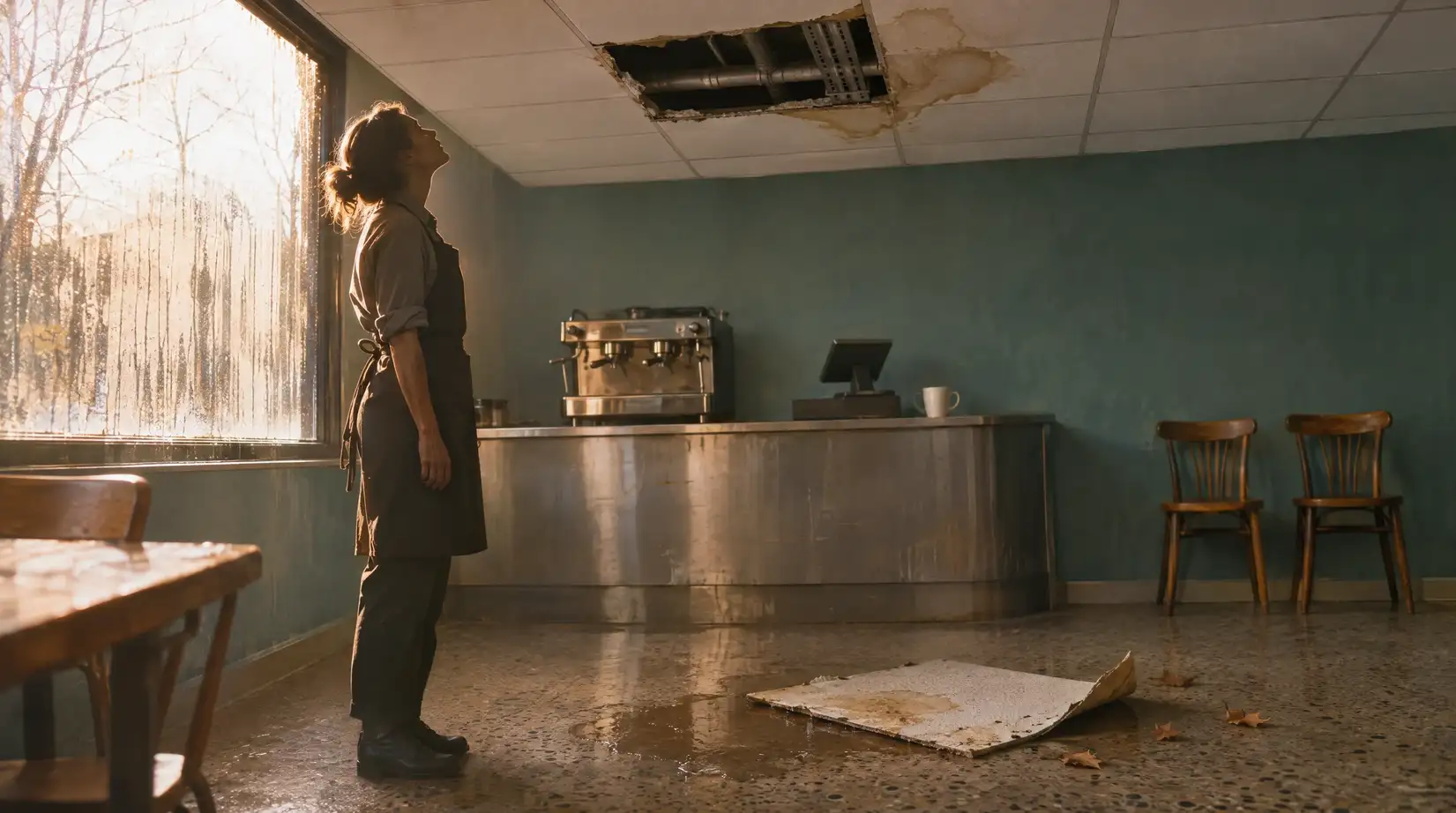
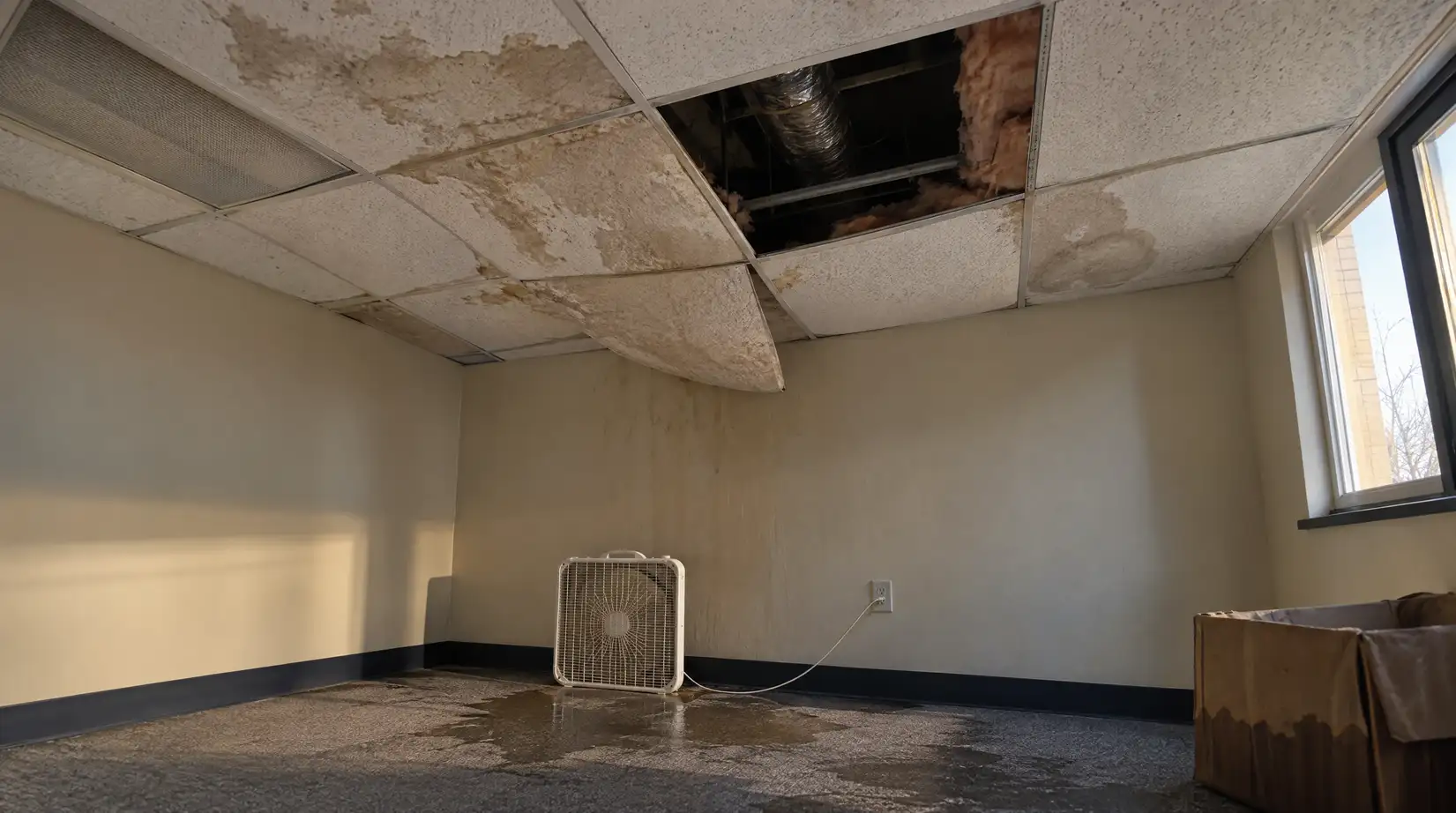
Standard policies generally cover water damage that is sudden and accidental, such as a burst pipe, a toilet overflow, or a broken washer hose [1]. Policies usually won’t cover damage from gradual leaks — the continuous or repeated seepage or leakage wording you may see in a denial — and most exclude wear and tear or deterioration [1][2].
Insurers may point to staining patterns, rust, rot, or long-term moisture as evidence that a loss was gradual. If your loss was sudden, a plumber’s report that documents the failure point, the date, and the mechanism of failure helps support that position. Dated photos showing the area was undamaged before the event also help. A moisture map and an independent cause-and-origin opinion can address the insurer’s timeline directly.
2. A Flood Label on a Plumbing or Roof Loss
Surface water that enters from outside the structure is generally handled as flood, while sudden water from an interior plumbing failure is generally handled as water damage, and sewer or drain backup is treated separately [1][3]. The label the adjuster chooses can decide the claim, so it is worth testing against how your own policy defines each cause. Our explainer on water damage vs. flood damage walks through the distinction.
Do not relabel a true flood as a pipe burst. Misdescribing the cause can create misrepresentation problems that outlast the claim. If your loss was caused by a plumbing failure, a roof opening created by a covered event, or another interior source, document the source clearly. If the cause was flooding, the right path is to review whether you carry a separate flood policy, because a standard policy will not cover overland flow [3]. Our guide to flood damage insurance claim assistance covers that route.
3. A Missing Water Backup Endorsement
When water comes up through a floor drain, a sewer line, or a failed sump pump, standard coverage generally does not apply unless the policy includes a water backup or sump pump endorsement [3].
Check your declarations page and endorsement list before accepting the denial. Confirm whether an endorsement exists, what its limit is, and whether the source of your loss falls within its wording. Disputes often arise over whether the water came from a covered backup or from an excluded source, so the cause of the loss deserves close attention.
4. Documentation Gaps
An insurer may deny or reduce a claim when you cannot show what was damaged, what it was worth, or when the loss happened.[4] Common gaps include missing photos, no inventory, no receipts, and repair estimates that do not match the adjuster’s scope.
Rebuild the record from what you have:
- Dated photos and video, including cell phone metadata
- A room-by-room inventory of damaged contents
- Receipts, bank or card statements, and manufacturer model information
- Written contractor estimates that itemize scope
- Plumber, restoration, or inspection reports
5. Mitigation Failures
Policies generally require you to take reasonable steps to protect the property from further damage once a loss occurs [5]. Insurers may deny part of a claim by arguing that damage grew because water was left standing, the supply was not shut off, or drying did not begin promptly. Washington State’s insurance regulator puts the point bluntly: your insurance won’t cover water damage if you delay repairs [6].
Keep the invoices and drying logs from any mitigation company. Record when you discovered the loss, when you shut off water, and when you called the insurer and a restoration vendor. If a delay was unavoidable, such as an inaccessible area or a vendor scheduling problem, put that explanation in writing. Keep receipts for emergency mitigation so those costs can be documented as part of the claim.
6. Mold Caps and Long-Term Seepage
Even when the water loss is covered, mold is often handled under a separate limit or a specific exclusion [6]. Insurers may also tie mold to long-term moisture and argue the underlying cause was excluded seepage.
Read the mold provision, including any sublimit and any conditions on when mold is covered. Mold testing and a timeline from a qualified inspector can help show whether the growth followed a covered event or developed over a longer period. Prompt drying records matter here because they help show the insurer’s own reasoning about long-term moisture may not fit the facts.
7. Late Notice, Vacancy and Other Policy Conditions
Policies require prompt notice of a loss and cooperation with the insurer’s investigation, and they may require a sworn proof of loss.[2][5][7] Under the NAIC model regulation, an insurer may not deny a claim for failing to give written notice within a time limit unless that notice requirement is a written policy condition, or the delay is so unreasonable that it breaches the duty to cooperate.[7] The rules vary by state and policy, so read the condition your denial cites before you respond.
Do these in this order, because each step depends on the one before it:
- Report the loss in writing. A dated written notice creates a record of exactly when the insurer was told, which matters if the letter later cites late notice.
- Request the claim file and the inspection report. Ask in writing for the adjuster’s report, photos, measurements, and any engineer or cause-and-origin findings.
- Stop the damage, then document it. Emergency mitigation and dated photos taken before repairs protect the condition of the property and the record of what failed.
- Submit a proof of loss if the policy or the denial asks for one. Sign it once the figures match your contractor’s scope and your own inventory.
- Calendar every deadline, including the suit-against-us window. Work backward from the latest date on which you can still act.
Our overview of insurance claim denial explains how these conditions typically operate. Two of them deserve a closer look, because they are the ones that quietly end otherwise strong claims.
Vacancy and Unoccupancy Conditions
If the property sat empty when the loss happened, expect the insurer to raise vacancy or unoccupancy. Under Wisconsin’s consumer guidance, an insurer can cancel a homeowners policy once a home has been vacant for more than 60 days, and even where the policy stays in force, certain coverages may be suspended after that point [8]. Check the vacancy condition in your own form, note the day count it uses, and document when the property was last occupied and who was checking on it.
The Suit-Against-Us Window
Your policy may contain a suit-against-us provision that sets a deadline for legal action after a loss. Find it and calendar it against the date of loss, because missing that window can foreclose the dispute no matter how strong the denial was. If the deadline is close, get advice before you spend more time on the appeal.
How to Read the Wording of a Water Damage Denial
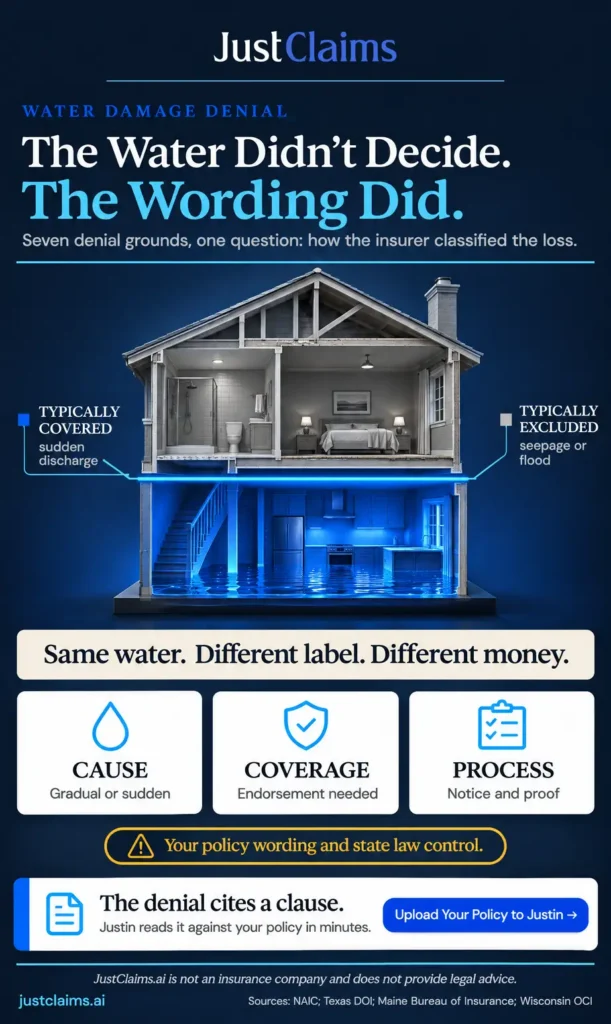
Because every denial turns on a quoted exclusion or condition, it helps to see how denial letters are typically built. Under the NAIC model regulation, an insurer may not deny a claim on the grounds of a specific policy provision, condition, or exclusion unless the denial includes a reference to it, and the denial must be given in writing [7]. The NAIC model is a template that states adopt in their own form, so the exact rule and deadline depend on your state, and the language differs by policy form and edition.
Use that structure to your advantage:
- Identify the exact provision quoted. Compare it word for word with your own policy form, not a sample form found online.
- Check the facts the letter assumes. Look for statements about cause, duration, or timing that your evidence contradicts.
- Note what the letter does not address. Partial denials sometimes leave covered portions, such as ensuing loss or reasonable mitigation costs, unexplained.
- Request the claim file and inspection report. Insurers are expected to tell claimants they may obtain copies of claim-related documents on request, and state rules often set a deadline for providing them [4].
Treat any statement about your claim as something to verify against your own letter and policy, because the wording in your file is what governs your next step [7].
Appeal, Reinspection and Appraisal Steps
Once you know which of the seven grounds the insurer used, the appeal should answer that ground directly. A response that addresses the stated reason with evidence is more useful than a general complaint about the outcome.
Request the File and a Reinspection
Ask in writing for the denial basis, the adjuster’s report, photos, and any engineer or cause-and-origin findings. Then request a reinspection. Bring your plumber, contractor, or an independent inspector so your cause-of-loss evidence is presented in person and recorded.
Appeal Letter Outline
A written appeal usually works best when it is organized and short enough to be read in full:
1. Header: Claim number, policy number, date of loss, adjuster name, and the date of the denial.
2. Statement of dispute: State that you are appealing and identify the specific denial ground you contest.
3. Policy language: Quote the provision the insurer cited, and quote any coverage grant or exception that supports your position.
4. Facts and evidence: Summarize cause, timeline, and mitigation, and list each attachment.
5. Requested action: Ask for reversal, reinspection, or reconsideration of the specific amount in dispute.
6. Response deadline: Ask for a written response within the period your state or policy provides, and keep proof of delivery.
Appraisal
If the dispute is over the amount of loss rather than whether the loss is covered, many policies include an appraisal clause. Under that clause each side names an appraiser, and if they cannot agree, an independent third appraiser decides; you pay your own appraiser and half of the third appraiser’s expenses [9]. You can’t use appraisal to decide whether something is covered, so read the clause before invoking it.
When a Public Adjuster or Regulator Becomes Relevant
If the scope or cause dispute remains after reinspection, a licensed public adjuster can help build the estimate and present the claim. A public adjuster is a licensed person who works on your behalf to appraise and negotiate the claim, so confirm the license in your state before you sign anything [10]. You can also file a complaint with your state insurance department. Regulators investigate complaints for free, and an insurer cannot discriminate against you for filing one [11].
Frequently Asked Questions
Can I appeal a water damage claim denial?
Yes. You can ask the insurer to reconsider in writing, request a reinspection, and submit new evidence such as a plumber’s report or drying logs. You can also use any appraisal clause in your policy for amount disputes and file a complaint with your state insurance department [7][11].
Is a burst pipe covered when a flood is not?
Surface water that enters from outside the structure is generally handled as flood, while sudden water from an interior plumbing failure is generally handled as water damage, and sewer or drain backup is treated separately. A standard policy will not cover overland flow. The source of the water is what decides which category your loss falls into. Document the failure point so the cause is not misclassified [1][3].
Why did my insurer say the leak was gradual?
Carriers may infer long-term leakage from staining, rot, or mold, then cite the seepage or maintenance exclusion. Evidence that the failure was sudden, such as a plumber’s finding of a ruptured line and photos of the area before the event, can rebut that inference. An independent cause-and-origin report adds support [1][2].
Does mold from a covered water loss get paid?
It depends on the mold provisions in your policy, which often include a sublimit or specific conditions, and coverage is usually limited to mold that follows a covered loss [6]. Prompt drying and testing records can help show the mold followed a covered event. Review the endorsement list on your declarations page to see what applies.
When should I involve a public adjuster?
A public adjuster can be useful when the insurer’s scope, pricing, or cause finding conflicts with your contractor’s or plumber’s evidence. Check your state’s licensing rules before signing, and compare the proposed role with what your appeal already covers [10].
How long do I have to dispute a denial?
It depends on your policy and your state. Two separate clocks can apply: the deadline the policy sets for a suit-against-us action, and any deadline in state law or regulation for appealing or filing a complaint. Find both, work backward from the earlier one, and put your response in writing so the date is documented.
Does appraisal work after a denial?
Appraisal can still resolve a disagreement about the amount of a covered loss even after a denial, but it cannot decide whether coverage exists in the first place. If the dispute is about an exclusion or the cause of loss, that is an appeal or complaint question, not an appraisal question [9].
How to Appeal Your Water Damage Denial
A denial is a position the insurer has taken, and it can be tested. Start by matching the letter to one of the seven grounds above, then request the claim file and a reinspection. Answer the stated ground with a plumber’s report, drying records, photos, and the policy language that supports your position. Keep the flood and water damage classifications honest, since accuracy protects the claim.
Before you draft the response, get a free AI policy analysis of your denial letter and policy — it flags the cited exclusions and shows where the reasoning may not match your own forms.
If the denial is holding up real money and you would rather have a licensed adjuster read the file, request a free claim review. There is no upfront cost, and JustClaims is paid only when you recover.
This content is for informational purposes only and does not constitute legal or insurance advice. Coverage decisions depend on the specific terms, conditions, and exclusions of each policy and the laws of the applicable jurisdiction; policyholders and contractors should consult with a qualified professional for advice on their particular situation.
Sources
[1] When are water damage and mold covered by insurance? — Texas Department of Insurance
[2] Homeowners & Renters Insurance FAQs — Maine Bureau of Insurance
[3] Frequently Asked Questions – Flood Damage — Wisconsin Office of the Commissioner of Insurance
[4] Essential Protections in the Claims Process — United Policyholders
[5] Loss Prevention and Aftermath — North Carolina Department of Insurance
[6] Leaks, water damage, and mold — Washington State Office of the Insurance Commissioner
[10] Filing a homeowner insurance claim — Washington State Office of the Insurance Commissioner

Taylor Bezek

As the General Manager at JustClaims, Taylor Bezek brings over a decade of experience managing complex residential, commercial, and large-loss claims. A licensed Public Adjuster in TX (#2125659), FL (#W455048), CO (#769172), and 10 additional states, Taylor founded his own firm before joining JustClaims to scale a tech-forward solution for the insured. He is committed to combining industry expertise with AI to enhance speed, clarity, and outcomes for every policyholder. Taylor's mission is to modernize the public adjusting profession and ensure owners get exactly what they are entitled to.