Hurricane Isaias Insurance Claim: File & Get Paid (2026)
October 08, 2026
Written by Collin Corcoran
Share


Isaias is forecast to reach the northern Gulf Coast in October 2026 as a Category 1 or 2 hurricane, and the claims that go well are usually the ones documented before the first rain band arrives. Property owners in the Florida Panhandle, southern Alabama and southern Mississippi have a short window to record their property, find their policy and check their hurricane deductible. This guide covers what to do before landfall, in the first days after, and when a claim starts to go sideways.
Key Takeaways
- 2020 Isaias landfall: The 2020 storm of the same name came ashore near Ocean Isle Beach, North Carolina, not on the Gulf Coast.
- 2026 forecast: A separate Hurricane Isaias is forecast to reach the northern Gulf Coast late October 9 or early October 10, 2026, as a Category 1 or 2 hurricane.
- Florida deductible options: Insurers must offer hurricane deductibles of $500, 2%, 5% or 10% of the dwelling limit, unless exceptions apply.
- Typical percentage deductible: Percentage hurricane deductibles commonly run 1–5% of insured home value.
- Florida deductible window: The Florida hurricane deductible period begins when a hurricane warning is issued and ends 72 hours after the last hurricane watch or warning ends, and it applies on a calendar-year basis.
- Florida claim deadlines: 1 year to notify a claim or reopened claim, 18 months for a supplemental claim, from the date of loss.
Which Isaias This Is and Why Damage Type Matters
The name Isaias now belongs to two different storms, so confirm which one a source is describing. The 2020 storm (30 July–4 August 2020) made landfall near Ocean Isle Beach, North Carolina [1].
The National Hurricane Center put its total US damage at about $4.8 billion, with nearly $3.5 billion in the northeastern US. That made it the costliest tropical cyclone to affect that region since Sandy in 2012 [1].
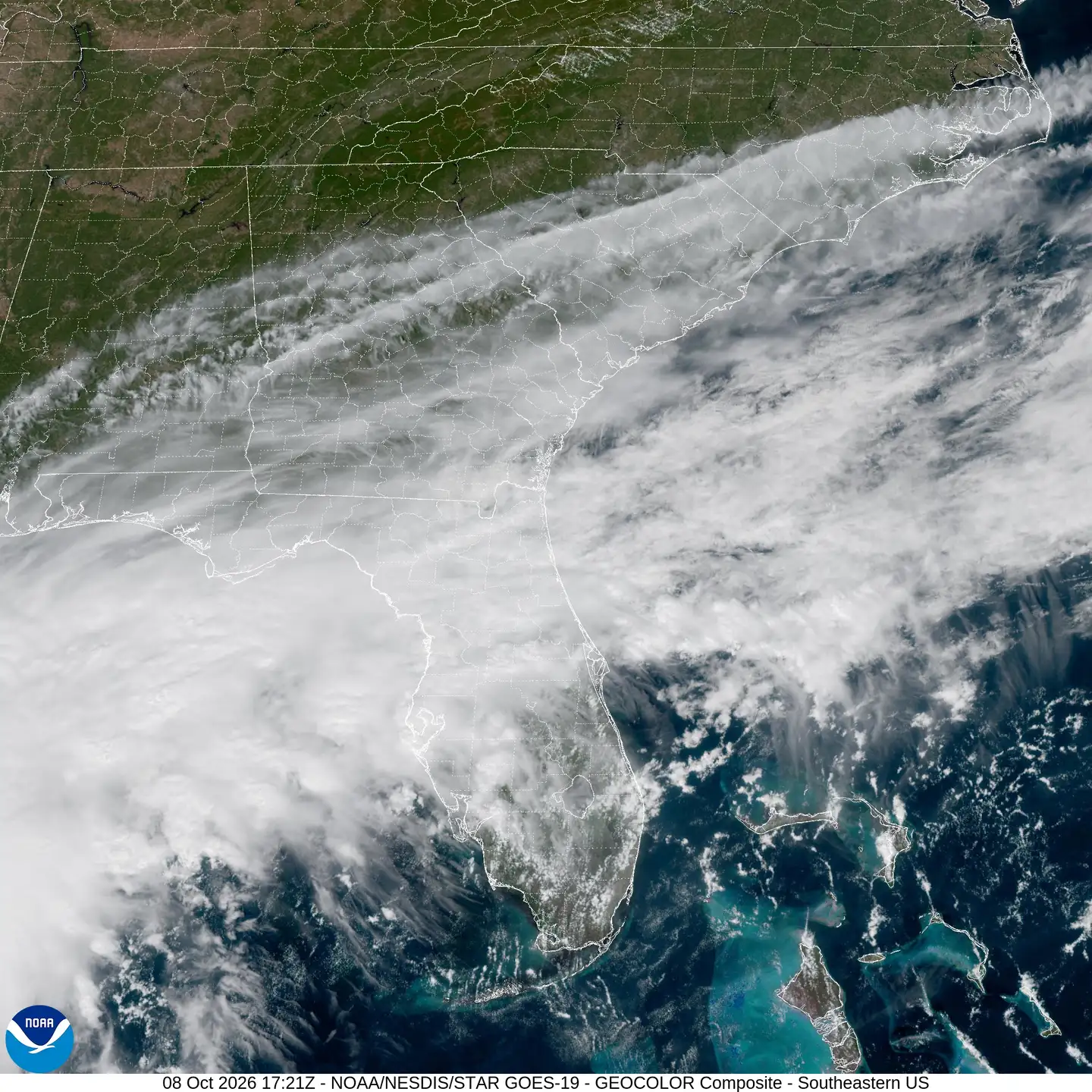
The October 2026 Isaias is a separate system. As of October 8, 2026, the National Hurricane Center reports Isaias as a Category 1 hurricane, forecast to strengthen and make landfall along the northern Gulf Coast late Friday or early Saturday as a Category 1 or 2 [2].
Hurricane and storm-surge warnings cover the Florida Panhandle, southern Alabama and southern Mississippi [2]. Forecasts change, so check current National Hurricane Center advisories [2].
The 2020 storm also shows why damage types need separate records. The NHC reported 13 tornadoes across eastern North Carolina, the strongest of which destroyed several mobile homes and stick-built houses [1].
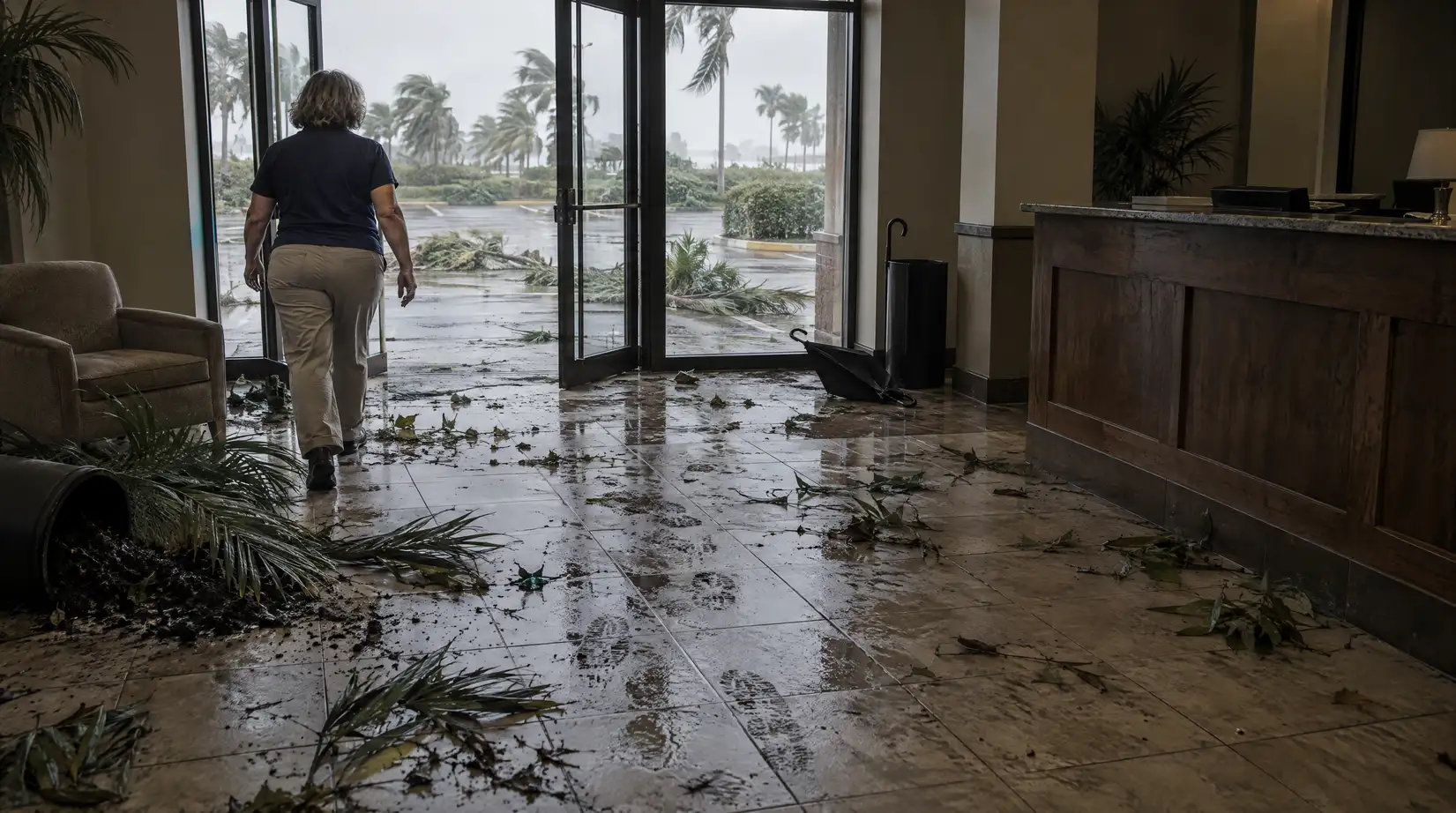
Storm surge flooding in Brunswick County damaged or destroyed an estimated 75–100 vehicles on Oak Island [1]. Wind, tornado and flood damage are often covered differently, so property owners should document each separately.
Before Landfall: Documentation and Policy Checks
Because the strength of a claim often depends on what you can prove about your property’s pre-storm condition, the hours before landfall are the best time to build that record.
Record a Video Walkthrough
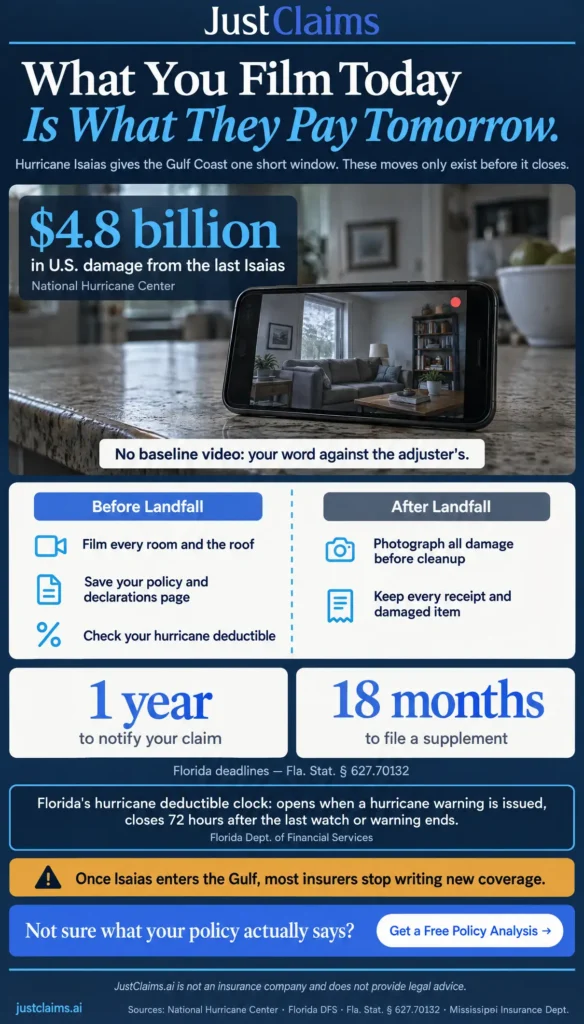
Walk every room slowly with your phone, narrating as you go. Capture the roof, siding, windows, garage, fences and any detached structures. Open closets and cabinets, and record serial numbers on major appliances. A dated video gives you a baseline that helps show what existed before the storm. Back it up to cloud storage before you lose power [5].
Locate Your Policy and Declarations Page
Find your full policy and the declarations page, and save digital copies somewhere you can reach from a phone. The declarations page lists your dwelling limit, additional living expense coverage and deductibles. Confirm whether you also hold a separate flood policy.
Know Your Hurricane Deductible
Many Gulf Coast policies use a percentage deductible instead of a flat dollar amount. United Policyholders reports that insurers in 19 states and DC sell policies with a percentage hurricane deductible, typically 1–5% of insured home value [3].
In Florida, insurers must offer deductible options of $500, 2%, 5% or 10% of the dwelling limit, unless exceptions apply [4]. The Florida hurricane deductible period begins when a hurricane warning is issued and ends 72 hours after the last hurricane watch or warning ends, and it applies on a calendar-year basis [4].
For condo and association situations, see our guide to HOA hurricane deductibles.
Understand Binding Restrictions
Once a designated hurricane enters the Gulf of Mexico, most insurers will not accept new applications [5]. A policy you do not already hold is unlikely to cover this storm. If you are still shopping for coverage, expect it to apply to future storms only.
Right After the Storm: Safety, Mitigation and Evidence
Because a claim is only as strong as its documentation, what you do in the first days after landfall can shape the whole outcome.
Safety and Mitigation First
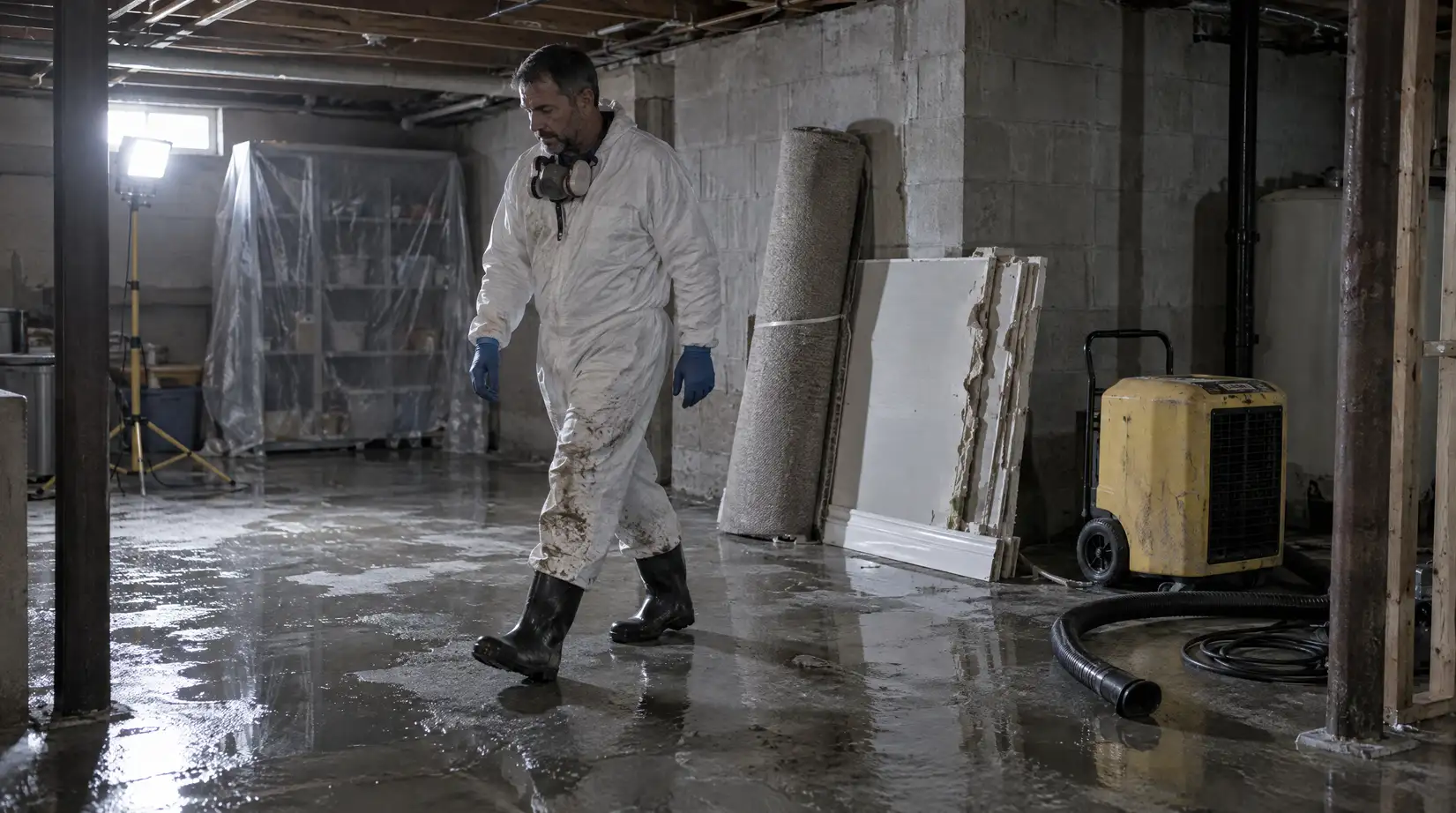
Do not enter flooded areas, stay away from downed lines and leave any structure with visible damage to its frame. Once it is safe, take reasonable steps to prevent further damage, such as tarping a damaged roof or boarding broken windows.
Most policies expect this, and carriers may dispute losses they argue could have been prevented. Keep receipts for tarps, plywood and labor [3].
Photograph Everything Before Cleanup
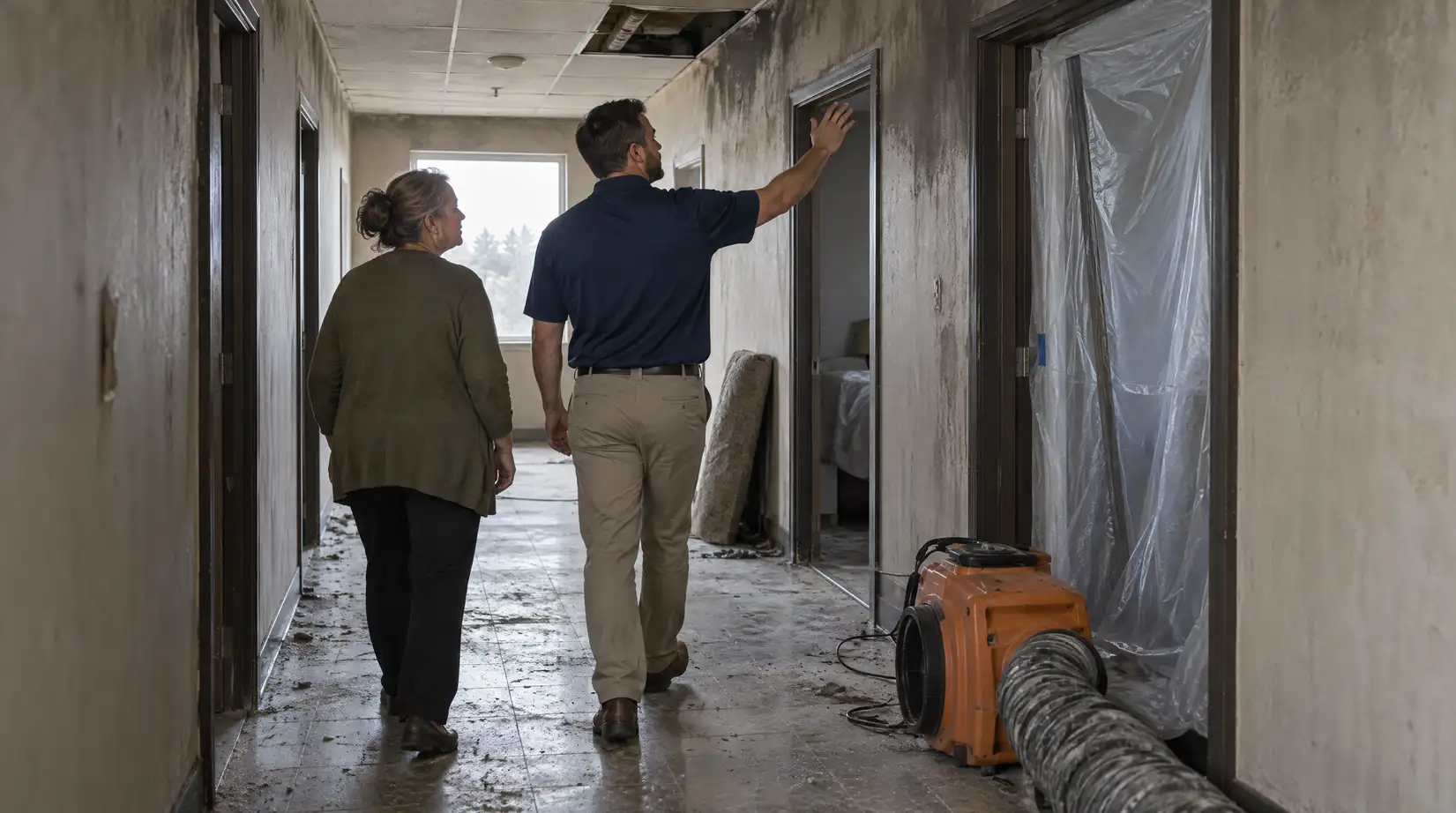
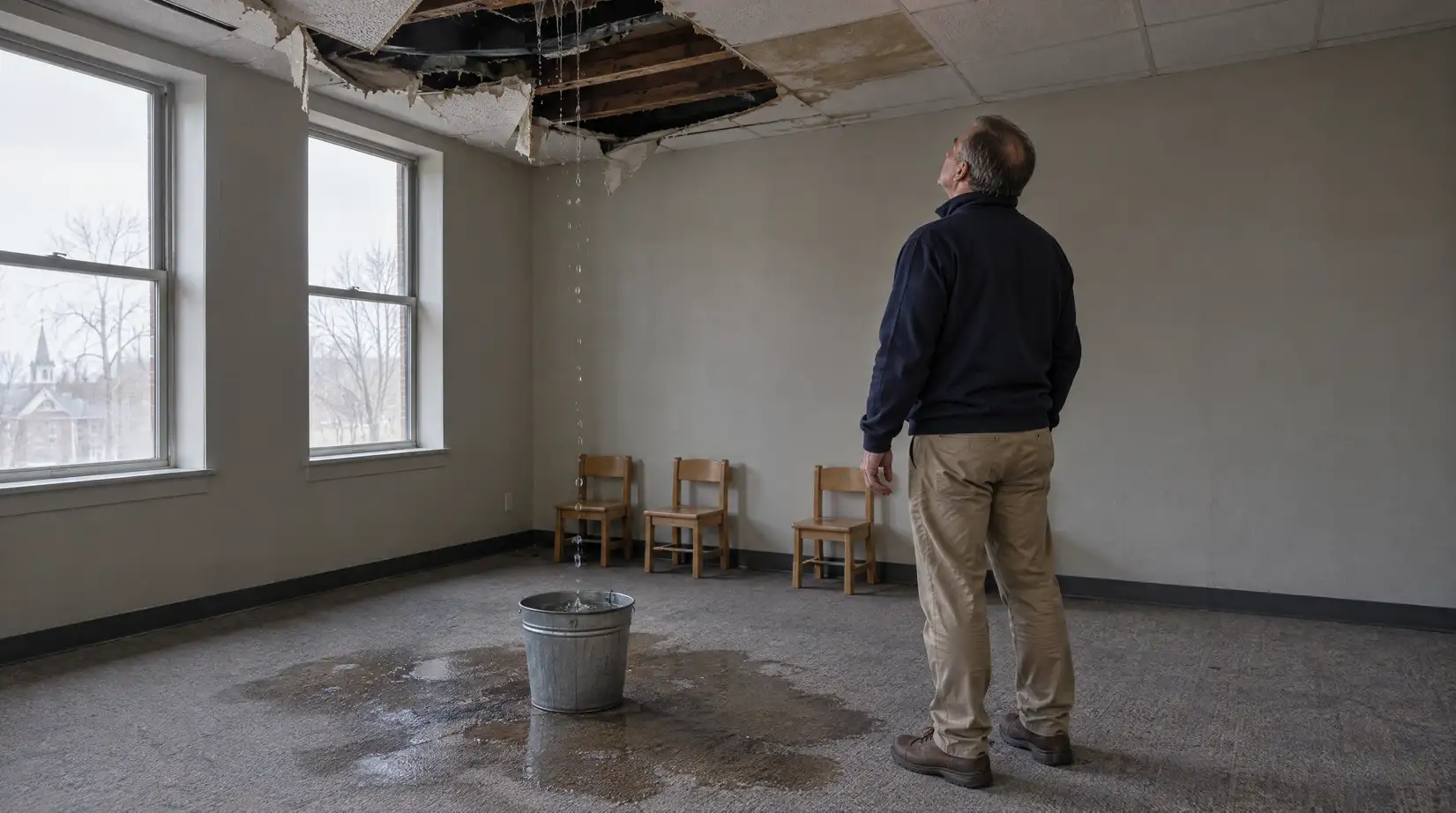
Take wide shots and close-ups of each damaged area before you move or discard anything. Photograph water lines on walls, damaged contents and the exterior from every side. Keep damaged items until the adjuster has seen them, or photograph them thoroughly if health or safety requires disposal [5].
Track Additional Living Expenses
If the home is unlivable, many policies pay additional living expenses such as hotel stays, temporary rent and extra food costs [3]. Keep every receipt and note dates and reasons for each cost. Check your declarations page for the limit before you commit to a long-term rental.
Separate Wind From Flood
Most homeowners policies do not cover flood damage — that takes a separate flood policy through the National Flood Insurance Program (NFIP) [6]. Wind and flood claims run through different channels, so label photos and notes by cause and let each claim stand on its own.
Filing Steps and Deadlines in Florida, Alabama and Mississippi
Since the paper trail you built before and after landfall is what the carrier will review, the filing steps below follow the same logic: report promptly, document thoroughly and keep copies.
- Report the loss promptly. Notify your insurer in writing and by phone, and record the claim number, date and the name of everyone you speak with [5].
- File flood separately. If you have an NFIP policy, open that claim on its own track.
- Submit your evidence. Provide your video, photos, mitigation receipts and a list of damaged items.
- Schedule the inspection. Be present, point out all damage and ask for a copy of the adjuster’s report and estimate.
- Review the estimate against your own records. Compare scope, line items and the deductible calculation before accepting any payment.
- Report additional damage. Hidden damage often surfaces later, so submit supplemental claims as it appears.
Deadlines depend on your state and policy:
- Florida: Under Fla. Stat. § 627.70132, notice of a claim or reopened claim is due within 1 year of the date of loss, and a supplemental claim within 18 months [7]. For hurricane losses, the date of loss is the date the hurricane made landfall [7].
- Alabama and Mississippi: The 1-year/18-month figures are Florida law. Alabama and Mississippi set their own rules, and policies may impose shorter notice or suit-filing windows than state law — check the declarations and conditions sections of your policy. The Alabama Department of Insurance natural-disaster preparedness guide [8] and the Mississippi Insurance Department consumer hurricane checklist [5] walk through state-specific before- and after-storm claim steps.
Whatever the legal outer limit, report as soon as it is safe to do so. Delay gives a carrier room to argue that damage worsened or came from another cause. For more on the process, see our hurricane damage insurance claim guide.
Common Denial Reasons and When to Bring in a Public Adjuster
Because a denial or low estimate usually turns on what your records can and cannot prove, knowing the common reasons helps you prepare a response.
Common Denial and Underpayment Reasons
- Flood versus wind classification: A carrier may attribute water damage to flood, which most standard policies do not cover [6], when wind-driven rain through a storm-created opening is also involved — interior rain damage after wind opens the structure is part of Florida’s hurricane coverage definition [4].
- Pre-existing wear: Carriers may point to age or deferred maintenance as the cause of roof or siding damage.
- Failure to mitigate: Damage that grew after the storm can be disputed if no reasonable protective steps were taken.
- Deductible application: A percentage deductible can absorb a large share of a modest loss — 1–5% of insured value is more costly than a standard $500 or $1,000 deductible [3] — so check the carrier’s math.
- Late or incomplete notice: Missing documentation or delayed reporting can give the carrier grounds to contest scope.
When a Public Adjuster May Help
Consider a licensed public adjuster when the estimate looks well below your own contractor’s scope, when the carrier disputes the cause of loss, or when the damage is extensive and the paperwork is overwhelming.
A public adjuster works for the policyholder, not the carrier. Florida property owners can read more at our public adjuster Florida page. Ask any adjuster about fees and licensing in your state before signing [5].
Frequently Asked Questions
Did Hurricane Isaias hit the Gulf Coast in 2020?
No. The 2020 Isaias came ashore near Ocean Isle Beach, North Carolina, according to the National Hurricane Center [1]. The October 2026 storm is a separate system forecast for the northern Gulf Coast, so make sure any guidance you read refers to the right one.
How long do I have to file a hurricane claim in Florida?
Florida gives you 1 year from the date of loss to notify a claim or reopened claim, and 18 months for a supplemental claim, under Fla. Stat. § 627.70132 [7]. For hurricanes, the clock starts on the landfall date [7]. Report well before that — delay makes causation harder to prove.
Does my homeowners policy cover storm surge flooding?
Typically not. FEMA’s FloodSmart program is blunt: most homeowners and renters insurance does not cover flood damage [6]. Wind losses go to your homeowners carrier; surge and rising-water losses go to your flood policy — so document each one separately.
How does a hurricane deductible work in Florida?
It is usually a percentage of your dwelling limit rather than a flat amount, and Florida insurers must offer $500, 2%, 5% or 10% options unless exceptions apply [4]. The deductible applies on a calendar-year basis, and if the first hurricane does not use it up, the leftover balance applies to later hurricanes that year [4]. Review your declarations page to see which option you hold.
Can I buy new coverage now that Isaias has a name?
In most cases, no. Once a designated hurricane enters the Gulf of Mexico, most insurers will not accept new applications [5]. Any coverage you add after that point is likely to apply to future storms only.
How to Protect Your Hurricane Claim Rights
Keep every receipt, photo and conversation log, and compare the carrier’s estimate with your own records before accepting payment. If the numbers do not match, ask for the carrier’s reasoning in writing.
Before you respond to the carrier’s estimate, upload your policy for a free coverage review with Justin — it reads the deductible and exclusion language in your policy and shows exactly what coverage you have, in minutes.
This content is for informational purposes only and does not constitute legal or insurance advice. Coverage decisions depend on the specific terms, conditions, and exclusions of each policy and the laws of the applicable jurisdiction; policyholders and contractors should consult with a qualified professional for advice on their particular situation.
Sources
[1] Hurricane Isaias (AL092020) Tropical Cyclone Report — National Hurricane Center
[2] Hurricane Isaias (AL092026) Advisory Archive — National Hurricane Center
[3] How to File an Insurance Claim After a Hurricane — United Policyholders
[4] Florida’s Hurricane Deductible — Florida Department of Financial Services
[5] Consumer Hurricane Checklist — Mississippi Insurance Department
[6] What You Need to Know About Buying Flood Insurance — FEMA / National Flood Insurance Program
[7] Section 627.70132, Notice of Property Insurance Claim — Florida Statutes (Online Sunshine)
[8] An Insurance Preparedness Guide for Natural Disasters — Alabama Department of Insurance

Collin Corcoran

Experienced Public Adjuster and Property Claims Specialist, Collin is licensed in New York (#1603393), New Jersey (#3003700204), and Connecticut (#19820270). With 20+ years of hands-on construction and property damage experience, he specializes in residential and commercial claims, complex loss inspections, policy review, detailed estimating, and strategic negotiation. Collin’s background in construction, asset management, emergency response, and claims documentation allows him to accurately identify damage, understand repair requirements, and advocate effectively for policyholders. He works with homeowners, business owners, contractors, and insurance professionals to move claims forward with clarity, accuracy, and confidence. Collin is committed to transparency, technical precision, strong communication, and securing fair outcomes for policyholders.