Commercial Tornado Insurance Claim: How to Document & Recover the Right Way (2026)
June 05, 2026
Written by Taylor Bezek
Share


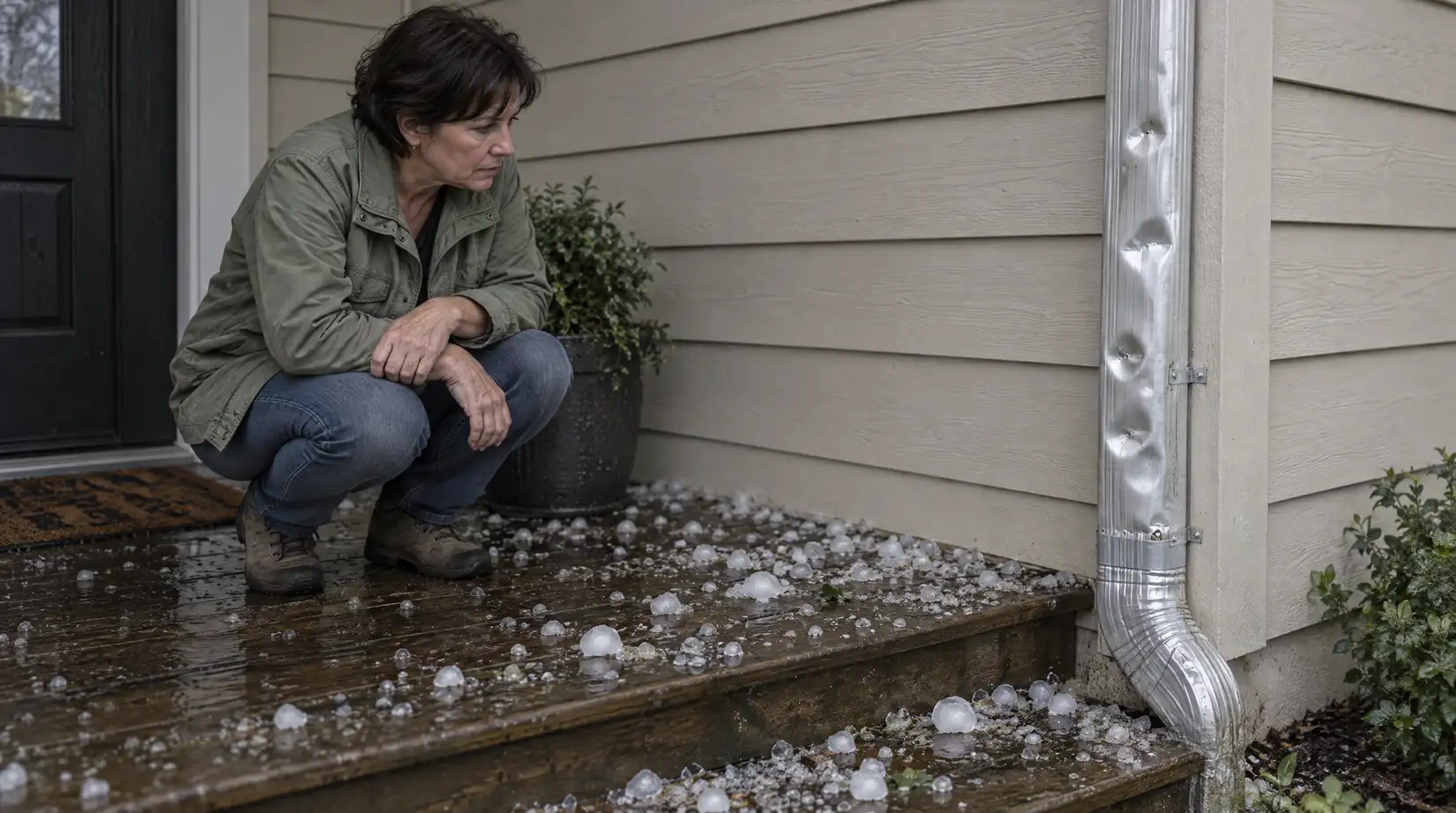
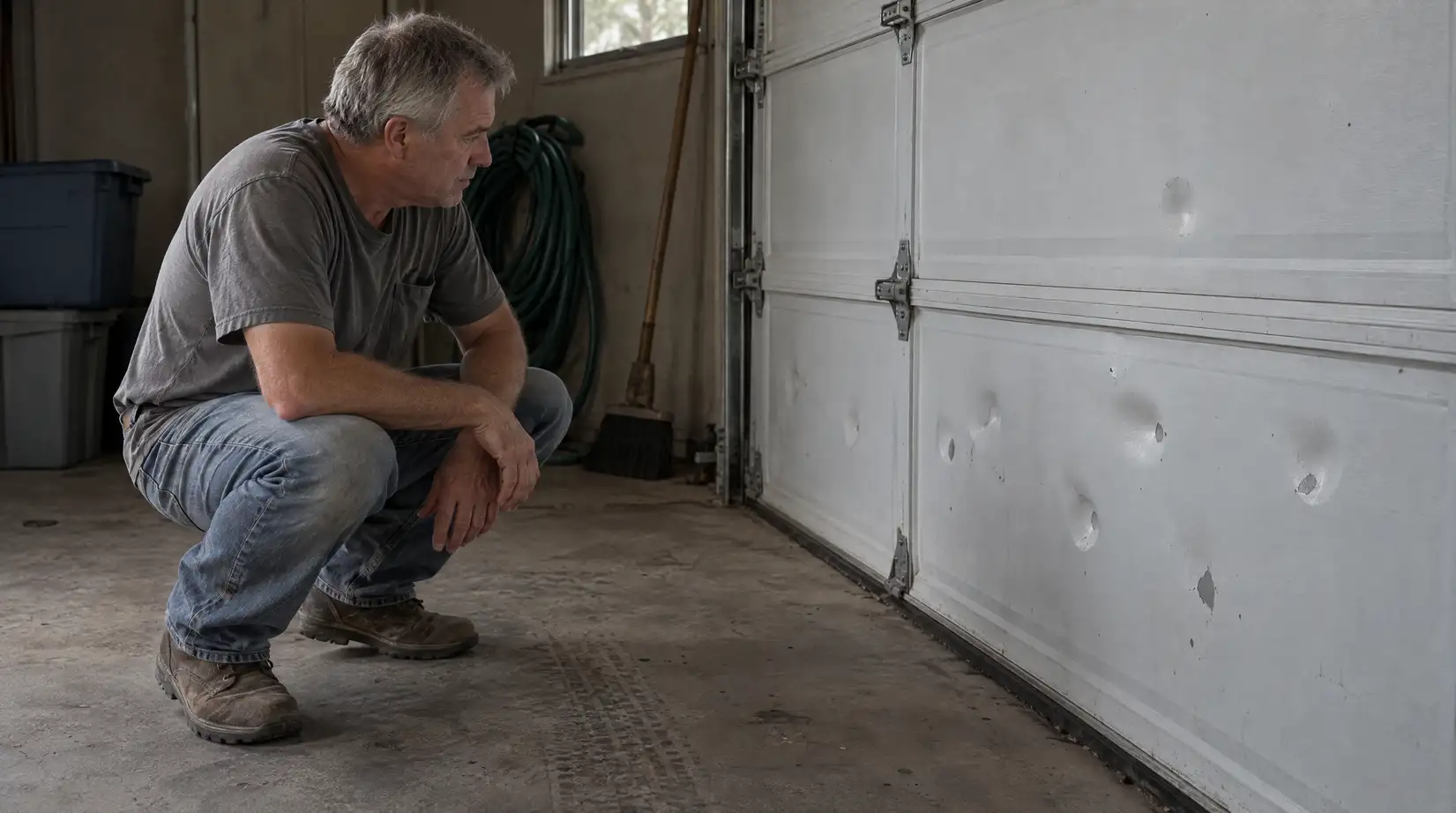
Documenting storm or tornado damage — including timestamped photos, videos, and written records — can help reduce insurance delays and support a stronger case for recovering out-of-pocket expenses such as emergency repair costs. Minor valuation errors can cost millions, making a strategic approach to documentation the foundation of any successful commercial recovery.
Key Takeaways
- Visual Evidence: To maximize a commercial property insurance claim after a storm, policyholders should photograph and video the damage from every angle, ensuring they document the building’s exterior and interior, as well as damaged equipment, inventory, and signage.
- Financial Impact: Properly documenting storm or tornado damage is essential because it can significantly reduce insurance delays and help commercial property owners build a strong case for recovering out-of-pocket expenses.
- Strategic Approach: A successful recovery for commercial property storm damage requires a strategic approach that includes professional inspections, thorough documentation, and knowledgeable representation.
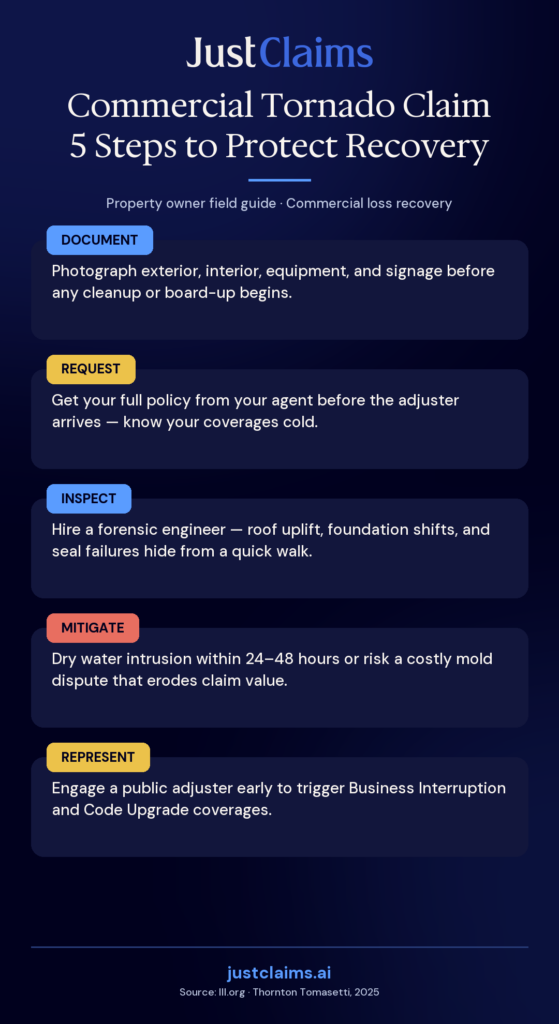
- Pre-Filing Action: Before officially filing a tornado damage claim, commercial property owners should photograph and video all damages and request a complete copy of their property policy from their insurance agent to understand their coverage.
- Carrier Pressure: Severe thunderstorms caused about $45 billion in economic losses in the U.S. in the first half of 2024, with more than $34 billion insured [6] — one reason tornado claims face heightened scrutiny from carriers.
The 3 Structural Impacts That Threaten Commercial Properties
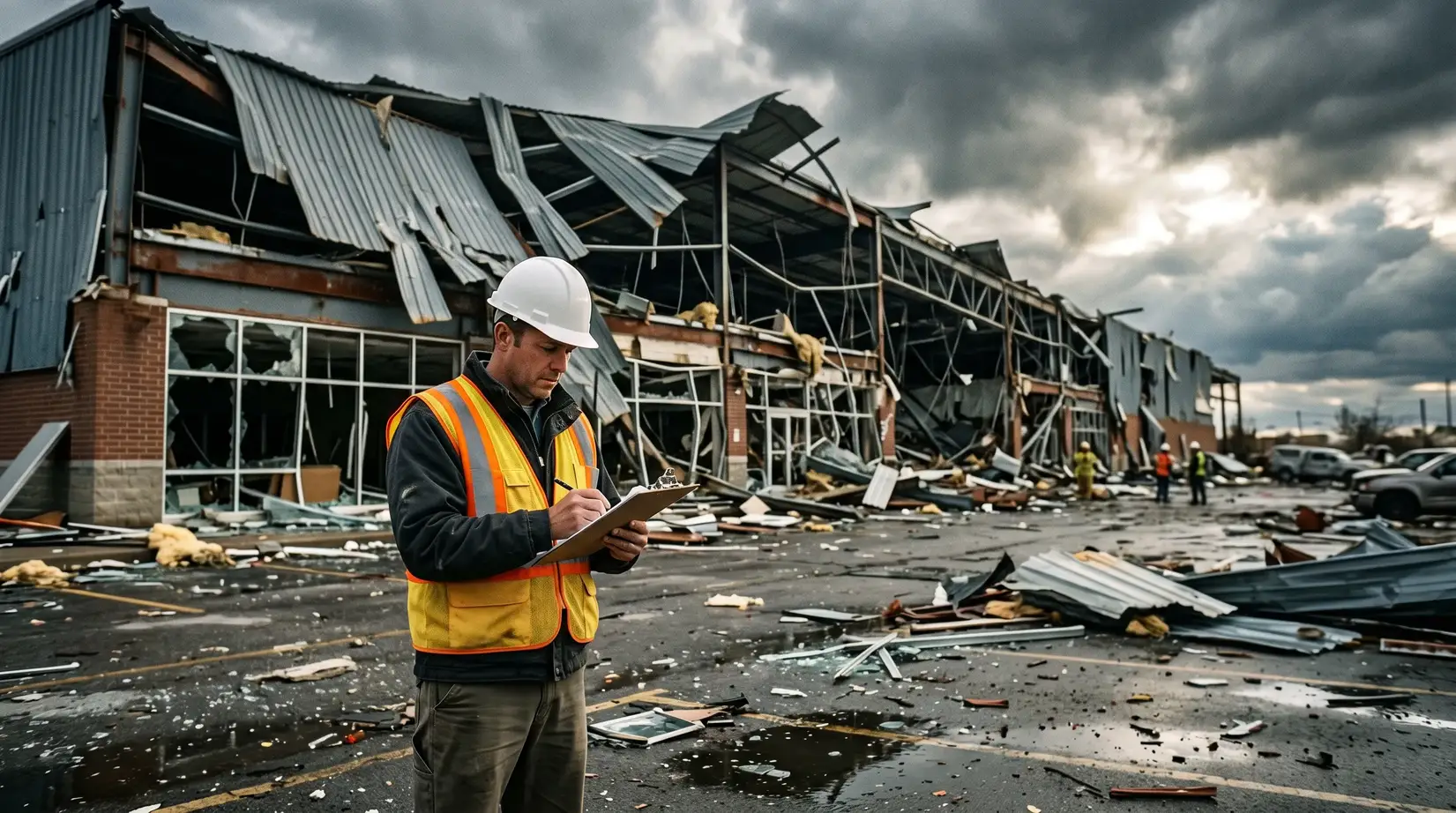
Because undocumented structural damage can result in significant financial losses — sometimes exceeding the cost of the original repair — distinguishing between superficial debris and structural compromise is the first step in protecting a commercial property claim. Tornado damage extends far beyond visible debris scattered across a parking lot. High winds exert immense pressure on commercial structures, testing the limits of engineering and material strength. To maximize a commercial property insurance claim after a storm, policyholders should photograph and video the damage from every angle, ensuring they document the building’s exterior and interior, as well as damaged equipment, inventory, and signage — consistent with standard commercial claim guidance on preserving visual evidence before debris is cleared. Capturing these structural impacts early is vital for a complete recovery.
1. Roof Uplift and Membrane Stress
Commercial flat roofs, including TPO, EPDM, and built-up systems, are highly susceptible to wind uplift during a tornado. As high-velocity winds pass over the building, they create negative pressure that pulls upward on the roofing assembly. This force can tear membranes, pull fasteners through insulation boards, and compromise the flashing around parapet walls. Even if the roof does not completely detach, the stretching and stress placed on the materials can lead to premature failure. Documenting the condition of the roof membrane, seams, and mechanical attachments immediately after the event helps demonstrate the true extent of the wind forces.
2. Foundation Shifts and Load-Bearing Walls
The lateral forces generated by tornadic winds can cause severe racking in commercial buildings. This occurs when the structural frame is pushed out of plumb, placing extreme stress on load-bearing walls, steel framing, and tilt-up concrete panels. In severe cases, these forces transfer down to the foundation, causing cracking, shifting, or anchor bolt failure. Foundation and framing damage is often subtle, presenting as sticking doors, cracked drywall, or misaligned drop ceilings. Identifying these shifts requires a forensic approach to ensure the structural integrity of the facility has not been permanently compromised.
3. Window Seals and Envelope Integrity
Commercial curtain walls and storefront glass systems are designed to withstand standard weather, but the extreme pressure differentials of a tornado can cause catastrophic failure. Even if the glass does not shatter from flying debris, the pressure can blow out the rubber gaskets and seals that hold the panes in place. Once the window seals are broken, the building envelope is compromised, leading to a massive loss of HVAC efficiency and allowing moisture to penetrate the interior. Property owners must inspect all fenestrations for signs of seal failure, condensation between panes, or warped aluminum framing.
The 3 Hidden Hazards That Complicate Recovery
Beyond the immediate structural shifts that threaten commercial valuations, hidden hazards often complicate the recovery process and expand the scope of loss. A successful recovery for commercial property storm damage requires a strategic approach that includes professional inspections, thorough documentation, and knowledgeable representation [3]. Professional inspections are necessary to uncover secondary hazards that are not immediately visible to the untrained eye but pose significant risks to life safety and business continuity.
1. Gas Leaks and HVAC Disruption
Commercial rooftop units (RTUs) are heavy, but tornadic winds can easily dislodge them from their curbs. When an RTU shifts, it can sever the connected gas lines, creating an immediate and severe fire hazard. Additionally, the internal components of the HVAC system, including ductwork and condenser coils, can be crushed or contaminated by debris. Inspecting the mechanical connections and gas lines on the roof is a priority, as undetected leaks can lead to catastrophic secondary explosions or prolonged facility shutdowns.
2. Electrical System Compromise
Tornadoes can cause severe damage to a commercial property’s electrical infrastructure, including downed power lines, compromised wiring, and damaged panels. Structural shifting can tear wiring hidden within walls, while breached conduits can allow water to flood three-phase power systems, switchgear, and server rooms. Energizing a compromised electrical system can result in electrical fires or the destruction of expensive manufacturing equipment. Thorough documentation of all electrical panels, exposed wiring, and submerged conduits is necessary before any power is restored to the facility.
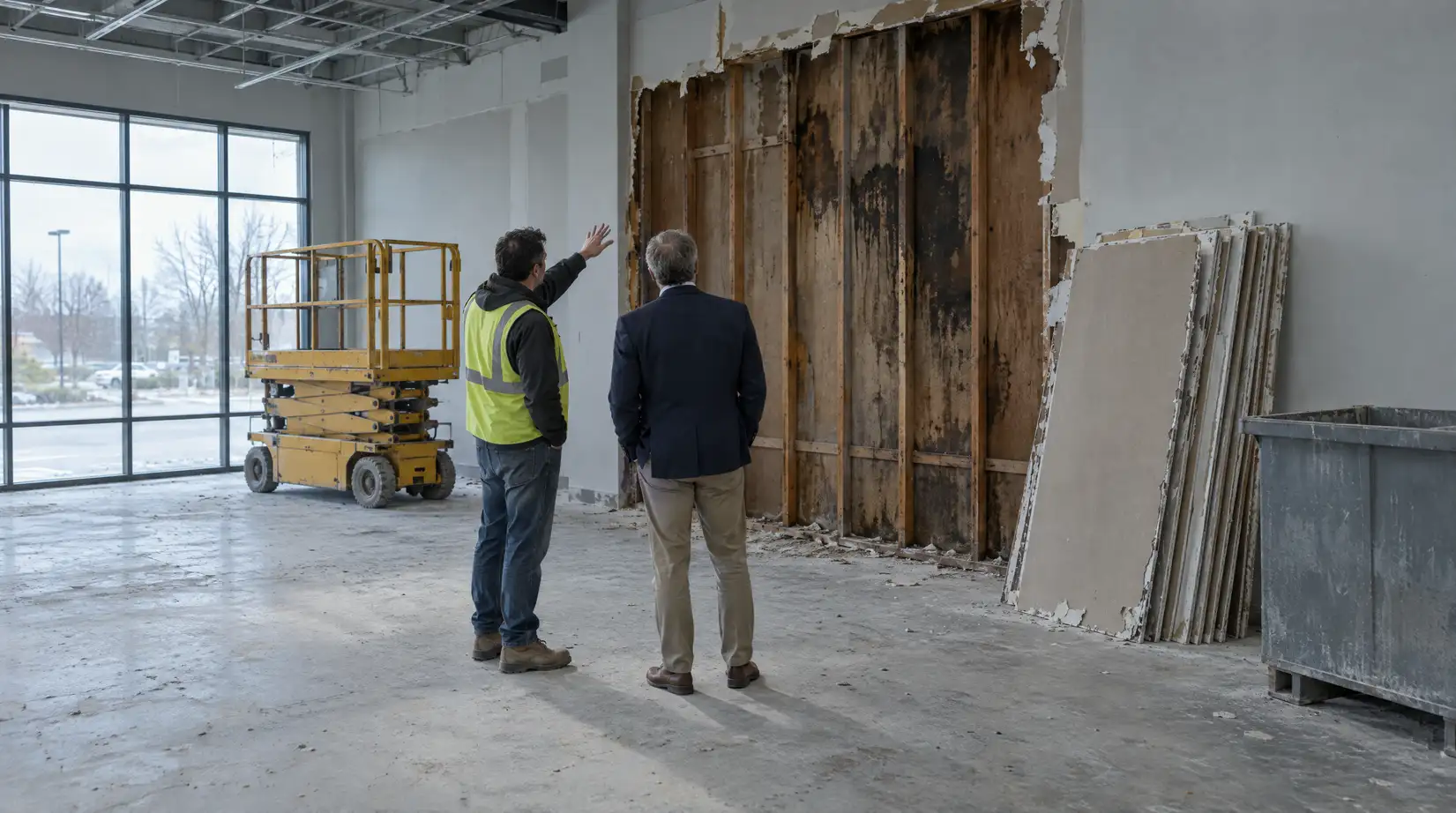
3. Water Intrusion and Mold Risk
When a tornado compromises the building envelope—whether through roof tears, broken windows, or cracked masonry—water intrusion is the immediate consequence. Commercial properties often feature large open floor plans and drop ceilings that can conceal pooling water for days. If left unaddressed, this moisture saturates drywall, insulation, and inventory, creating conditions where mold growth can begin within 24 to 48 hours if wet materials are not dried promptly — a window the EPA[4] identifies as the critical threshold for preventing growth in most cases. Documenting the path of water intrusion and initiating immediate mitigation efforts can help prevent a wind claim from evolving into a complex and costly mold remediation dispute.
The Insurance Gap in Commercial Claims
Even when hidden hazards are identified, commercial property owners frequently face an insurance gap where adjusters miss underlying structural stress. Standard adjuster inspections often focus on cosmetic repairs, such as replacing a few ceiling tiles or patching a section of the roof membrane, rather than conducting a forensic structural analysis. This oversight can leave policyholders severely underfunded for the true cost of restoration, especially when dealing with large-scale commercial facilities.
Documenting storm or tornado damage — including timestamped photos, videos, and written records — can help reduce insurance delays and support a stronger case for recovering out-of-pocket expenses such as emergency repair costs. When property owners rely solely on the carrier’s assessment, they risk absorbing the cost of missed structural damage. Before officially filing a tornado damage claim, commercial property owners should photograph and video all damages and request a complete copy of their property policy from their insurance agent to understand their coverage [2]. Without the full policy in hand, owners cannot accurately assess their limits, deductibles, or specific exclusions that the adjuster may attempt to enforce. The declarations page also identifies every party with an interest in the policy, including any additional insured—such as a lender or property manager—whose rights can affect how the loss payment is issued.
Windstorm Deductibles: The Coverage Math That Decides Your Payout
Standard commercial and residential property policies generally cover wind and tornado damage, but the deductible structure can drastically alter the funds available for restoration. In certain states, windstorm deductibles are calculated as a percentage of total insured value rather than a flat dollar amount — a 2% windstorm deductible on a $500,000 property means the owner absorbs the first $10,000 before coverage applies. For condo and HOA communities, the same percentage math applies to the association’s master policy, and whatever it does not cover reaches individual owners as special assessments. Verify on the declarations page which deductible applies to the specific loss date and cause of loss before accepting the carrier’s math [5].
The 3 Underpayment Tactics to Expect on a Tornado Claim
Carriers under severe loss pressure scrutinize tornado claims hard. U.S. tornado activity consistently ranks among the highest-cost catastrophe drivers [7], and insurers commonly reduce or deny tornado payouts for a small set of recurring reasons [5]. Expect these three:
1. The Pre-Existing Damage Argument
Adjusters frequently attribute roof, siding, or structural damage to age, wear and tear, or previous storms rather than the recent tornado. Counter with date-stamped photographic evidence of the property’s pre-storm condition, alongside weather reports confirming the tornado’s path and wind speeds at the exact property location [5].
2. The Evidence-and-Repairs Trap
Policies require mitigation, so failing to make temporary repairs can reduce coverage for preventable secondary damage — but making repairs before documenting the original damage invites a “lack of evidence” dispute. Document everything first, then mitigate [5] [1].
3. The Deductible Shell Game
Unmet deductibles are a primary stated reason for underpayment. Adjusters may apply a percentage-based windstorm deductible where a flat deductible should apply, or split one event into multiple claims with multiple deductibles. Check the declarations page and challenge the structure in writing [5].
For restoration contractors: secure a complete copy of the property owner’s policy — including all endorsements and exclusions — before submitting an estimate, so the scope of work aligns with covered perils and avoids common denial triggers [2] [5].
Leveraging Forensic Analysis for Complex Claims
Because complex claims require forensic-level analysis, relying solely on standard adjuster reports often leaves significant coverage gaps undiscovered. Commercial policies contain intricate clauses regarding Business Interruption, Extra Expense, and Law & Ordinance coverage. Large commercial losses also implicate debris removal coverage, which pays to clear collapsed structural material and wreckage but is frequently capped at a sublimit that may not reflect the true cost of demolition and hauling. When a tornado strikes, the resulting downtime and the requirement to rebuild to modern, stricter building codes can cost millions. If these coverages are not properly triggered and documented, the financial burden for those uncovered losses may fall on the business. For a plain-English ordinance law definition and a breakdown of what parts A, B, and C each pay, see our companion guide.
Advanced analysis of policy language, compared against the documented damage, helps demonstrate the full extent of the carrier’s liability. Ensuring every piece of damaged equipment, inventory, and signage is documented and included in the claim submission helps establish the full scope of the loss for the insurer’s review. This level of detail transforms a subjective negotiation into a fact-based presentation of the policy’s obligations.
Frequently Asked Questions
What should I do before officially filing a tornado damage claim?
Before submitting formal paperwork to your carrier, commercial property owners need to secure visual evidence by photographing and videoing all affected areas. Additionally, it is highly recommended to request a complete copy of the property policy from your insurance agent so you fully understand your coverage limits, endorsements, and exclusions prior to the adjuster’s arrival. [1].
Why is thorough documentation so important for commercial properties?
Capturing detailed evidence of the destruction is vital because it helps minimize processing delays from the insurance company. Comprehensive records can support a claim for reimbursement of out-of-pocket costs such as emergency mitigation and temporary repairs, subject to the specific terms and conditions of the policy.
What specific items need to be photographed after a storm?
To get the most out of a commercial claim, policyholders must capture footage from multiple angles, covering both the inside and outside of the facility. This documentation must explicitly include any impacted inventory, business equipment, machinery, and exterior signage to ensure all assets are accounted for in the valuation.
What components make up a successful commercial recovery strategy?
Achieving a favorable financial outcome after severe weather requires more than just filing a standard claim form. It demands a coordinated effort involving expert property inspections to find hidden damage, meticulous record-keeping of all losses, and experienced professionals advocating on your behalf to navigate complex policy language [3].
How to Protect Your Commercial Claim
Recovering from a tornado requires immediate, precise action to document structural damage and hidden hazards before evidence is cleared or repaired. Securing your full policy and engaging professional representation early in the process supports the position that your facility requires comprehensive restoration, not just cosmetic patching. Complex claims require forensic-level analysis to ensure Business Interruption and Law & Ordinance coverages are fully utilized to protect your bottom line. Run your business interruption denial through JustClaims‘ expert team — accelerated by our bespoke AI — to identify the coverage gaps your insurer used against you.
This content is for general informational purposes only and does not constitute legal, financial, or insurance advice. It is not a substitute for consultation with a licensed public adjuster, attorney, or insurance professional familiar with the laws of your jurisdiction and the specific terms of your policy. Coverage decisions depend on the specific terms, conditions, and exclusions of each policy and the laws of the applicable jurisdiction; policyholders and contractors should consult with a qualified professional for advice on their particular situation.
Sources
[1] National Association of Insurance Commissioners — Navigating the Claims Process: Recover & Rebuild: https://content.naic.org/article/consumer-insight-navigating-claims-process-recover-rebuild
[2] United Policyholders — 10 Tips for Settling the Contents (Personal Property) Portion of Your Claim: https://uphelp.org/claim-guidance-publications/10-tips-for-settling-the-contents-portion-of-your-claim/
[3] Thornton Tomasetti — Navigating Commercial Property Insurance Before a Hurricane: Key Risks, Coverage & Claims: https://www.thorntontomasetti.com/news/navigating-commercial-property-insurance-hurricane-key-risks-coverage-claims
[4] U.S. Environmental Protection Agency — A Brief Guide to Mold, Moisture and Your Home: https://www.epa.gov/mold/brief-guide-mold-moisture-and-your-home
[5] Carrigan & Anderson — What to Do if Your Tornado Damage Claim Is Underpaid: https://carrigananderson.com/faqs/what-to-do-if-your-tornado-damage-claim-is-underpaid/
[6] Munich Re — Severe Thunderstorms and Flooding Drive Natural Disaster Losses in the First Half of 2024: https://www.munichre.com/en/company/media-relations/media-information-and-corporate-news/media-information/2024/natural-disaster-figures-first-half-2024.html
[7] Insurance Information Institute — Facts + Statistics: Tornadoes and Thunderstorms: https://www.iii.org/fact-statistic/facts-statistics-tornadoes-and-thunderstorms

Taylor Bezek

As the General Manager at JustClaims, Taylor Bezek brings over a decade of experience managing complex residential, commercial, and large-loss claims. A licensed Public Adjuster in TX (#2125659), FL (#W455048), CO (#769172), and 10 additional states, Taylor founded his own firm before joining JustClaims to scale a tech-forward solution for the insured. He is committed to combining industry expertise with AI to enhance speed, clarity, and outcomes for every policyholder. Taylor's mission is to modernize the public adjusting profession and ensure owners get exactly what they are entitled to.