Category 3 Water Damage: Expert Cleanup & Remediation Guide 2026
October 08, 2026
Written by Taylor Bezek
Share


Category 3 water carries a mix of contaminants that can make a structure unsafe to occupy, and the EPA advises drying water-damaged areas and items within 24-48 hours to limit mold growth. Property owners who understand the cleanup standard before work begins are better placed to protect both their health and their property value.
Key Takeaways
- Industry standard: ANSI/IICRC S500 is the standard that defines Category 3 (“black water”) work.
- EPA drying window: The EPA recommends drying water-damaged areas and items within 24-48 hours to prevent mold growth.
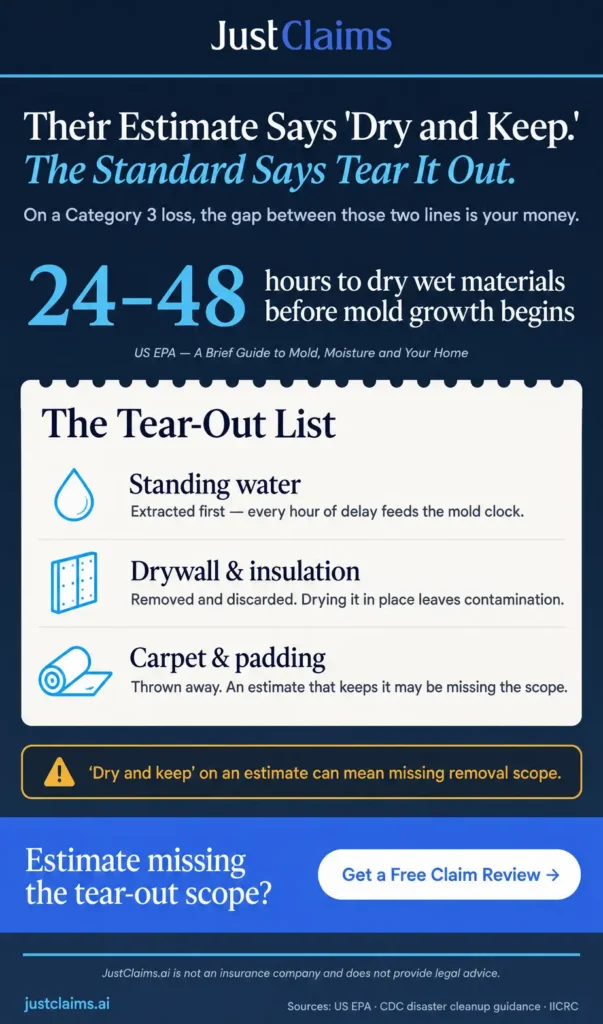
- Porous materials: Federal guidance directs that drywall and insulation contaminated by sewage or floodwater be removed and discarded, and that porous items such as carpeting and carpet padding that cannot be cleaned or dried quickly be thrown away.
- Professional scope: Professional cleanup follows the sequence federal guidance describes: remove standing water, remove materials that cannot be saved, and decontaminate the remaining structure.
- Mold risk: Porous materials such as ceiling tiles and carpet may have to be thrown away if they become moldy.
What Category 3 Water Is and Why It Is Hazardous
Category 3 water, commonly called “black water,” is the most contaminated classification in the restoration industry. The ANSI/IICRC S500 standard describes the procedures to follow and the precautions to take when performing water damage restoration in residential, commercial and other buildings, and it is the benchmark that defines Category 3 work [1].
Black water is considered grossly contaminated. It can carry disease-causing organisms, waste and other harmful material, so skin contact, ingestion, or breathing in airborne droplets can create real health risks. Anyone who has been exposed, especially children, older adults, and people with weakened immune systems, should consider speaking with a medical professional.
Contamination does not stay on the surface. Water of this type soaks into building materials, travels through wall cavities and under flooring, and leaves residue in places that are difficult to see. That is why the classification matters. It tells a property owner, a contractor, and an insurance carrier that the cleanup is a decontamination project rather than a routine drying job. When that residue reaches a neighboring unit or a shared wall, who pays for water damage in a condo turns into its own dispute.
Common Sources of Category 3 Water Losses
Because the property damage from black water depends heavily on how the contamination entered the building, identifying the source is the first step in protecting your property’s value.
Sewage Backups
Sewage backups are a common cause. A blocked main line, a failed sewer lateral, or an overwhelmed municipal system can push wastewater up through floor drains, toilets, and tubs. The water is contaminated the moment it enters the home.
Rising Floodwaters
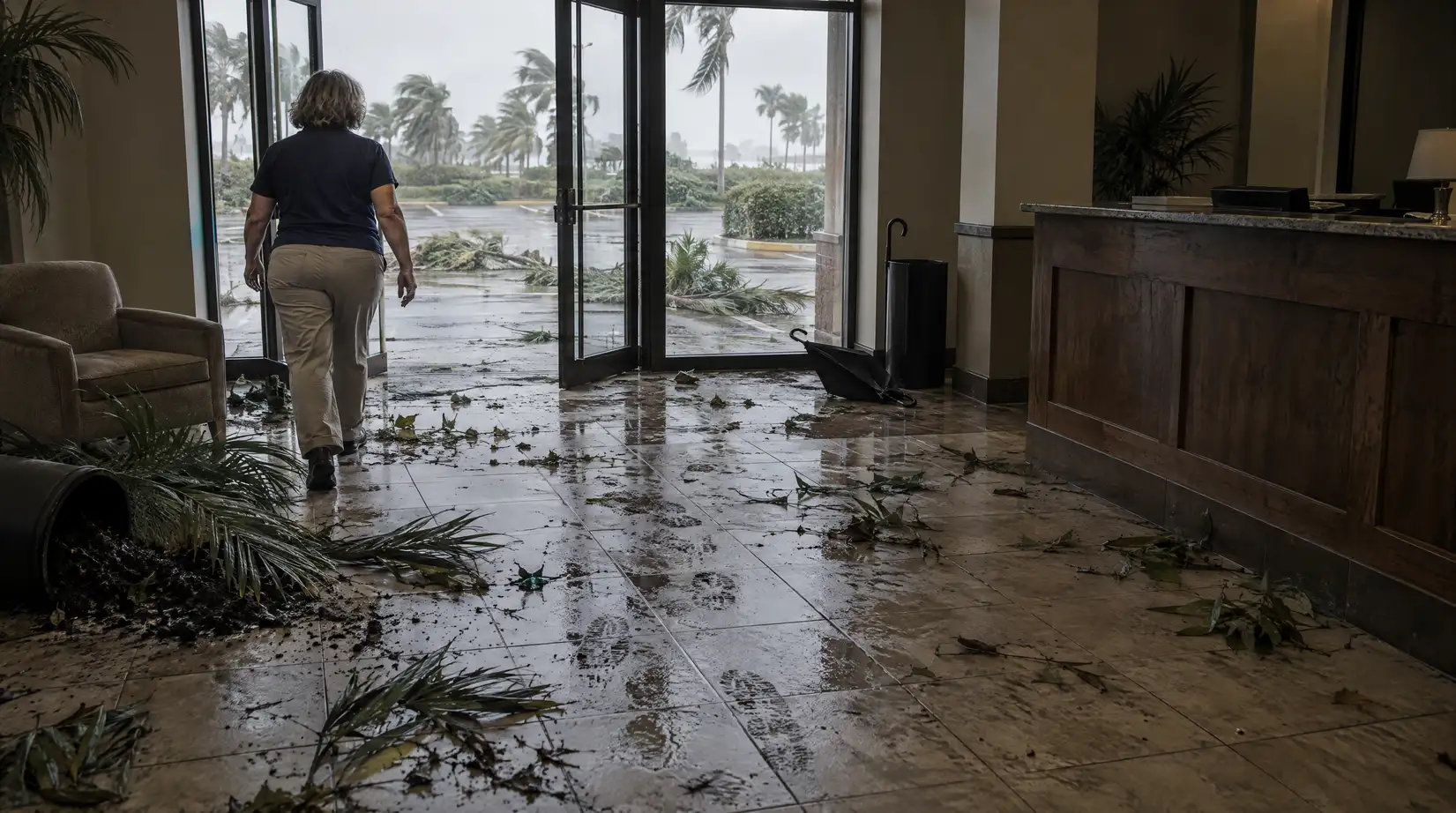
Floodwater from rivers, storm surge, and heavy runoff is also treated as black water, because it picks up sewage, chemicals, and debris as it moves across the ground. Standing water that has sat for an extended period can also deteriorate into this category, which makes prompt action important. The S500 framework guides how professionals classify these situations [1]. Coverage is a separate question: most property policies exclude rising water, so these losses usually fall under a flood policy with its own NFIP coverage limits.
Documenting the source early gives you a clearer record. Photographs, dates, and written notes taken before cleanup begins help show the carrier what happened and how far the contamination spread.
The Category 3 Remediation Process Step by Step
Since slow or incomplete cleanup is what turns a contained loss into a long-term property value problem, it helps to know what a proper remediation sequence looks like. Professional Category 3 cleanup follows the sequence federal guidance describes: remove standing water as quickly as possible, remove wet materials and discard those that cannot be thoroughly cleaned and dried, and decontaminate the remaining structure [2].
Protective Equipment and Containment
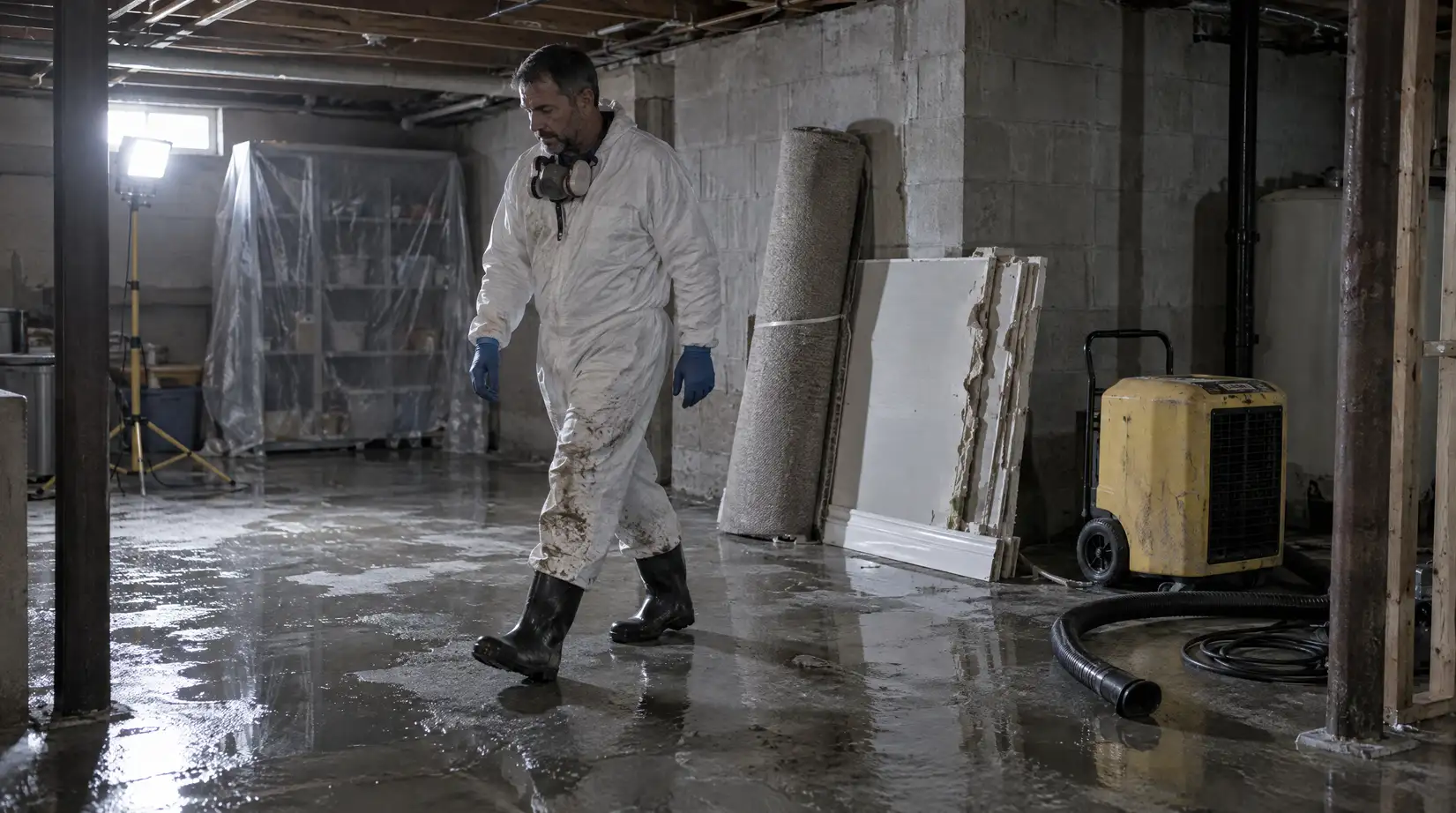
Crews working in black water use protective equipment suited to biological contamination, such as respirators, gloves, eye protection, and protective clothing. Containment measures, such as isolating the affected zone, help keep contaminants from spreading to clean areas of the building. Property owners should avoid entering the affected area until the work area has been secured.
Extraction and Removal of Porous Materials
Standing water is removed first, followed by the removal of materials that cannot be safely cleaned. Federal guidance is direct about what happens to porous materials after this kind of loss: the CDC instructs property owners to remove and discard drywall and insulation contaminated with sewage or floodwater, and to throw away items such as carpeting and carpet padding that cannot be cleaned or dried quickly [3].
The EPA adds that wet materials that cannot be thoroughly cleaned and dried should be discarded, ideally within 48 hours, and that a building immersed in contaminated floodwater can require extensive removal of ceiling, wall, insulation and flooring materials [2].
This step often affects the insurance claim. A line-item estimate that assumes carpet or drywall can simply be dried and kept may not match the removal scope the standard describes. Policyholders can ask the carrier to explain in writing why any porous material was left out of the removal scope.
Antimicrobial Treatment and Structural Drying
After removal, the remaining surfaces are cleaned and decontaminated — the EPA describes using clean water and detergent to physically remove contaminants, followed by an EPA-registered disinfectant on non-absorbent surfaces to kill microorganisms [5].
Drying equipment then brings moisture levels in framing and subfloors back to acceptable ranges. The EPA recommends drying water-damaged areas and items within 24-48 hours to prevent mold growth [4].
Why DIY Cleanup Puts Property Owners at Risk
Because the entire value-protection argument depends on removing contamination completely, partial or improvised cleanup tends to work against the property owner.
Black water exposes anyone doing the work to pathogens, and household cleaning products are not designed to decontaminate porous building materials. A certified crew works to the S500 standard instead, and restoration company insurance claims come with the moisture readings and disposal records that carriers look for.
Mold can grow on or fill the empty spaces of porous materials, so it may be difficult or impossible to remove completely once it has taken hold [4]. A wet vacuum and a bleach solution may make a room look clean while leaving contaminated material behind the walls and under the floors.
Professional certification matters here. The IICRC publishes the S500 standard that defines how this work is done [1], and firms certified in water damage restoration are trained to follow it. Property owners can ask a prospective contractor:
- Whether its technicians hold current IICRC certification
- Whether it follows the ANSI/IICRC S500 standard on this job
- How it documents contamination, removal, and drying for the claim file
- How it disposes of materials that cannot be salvaged
Written scope, moisture readings, and photographs from a certified firm give you stronger support if the carrier disputes the scope or cost of the work.
Long-Term Property Impacts of Untreated Black Water
Because the goal is to protect property value, it is worth understanding what happens when contamination is left in place.
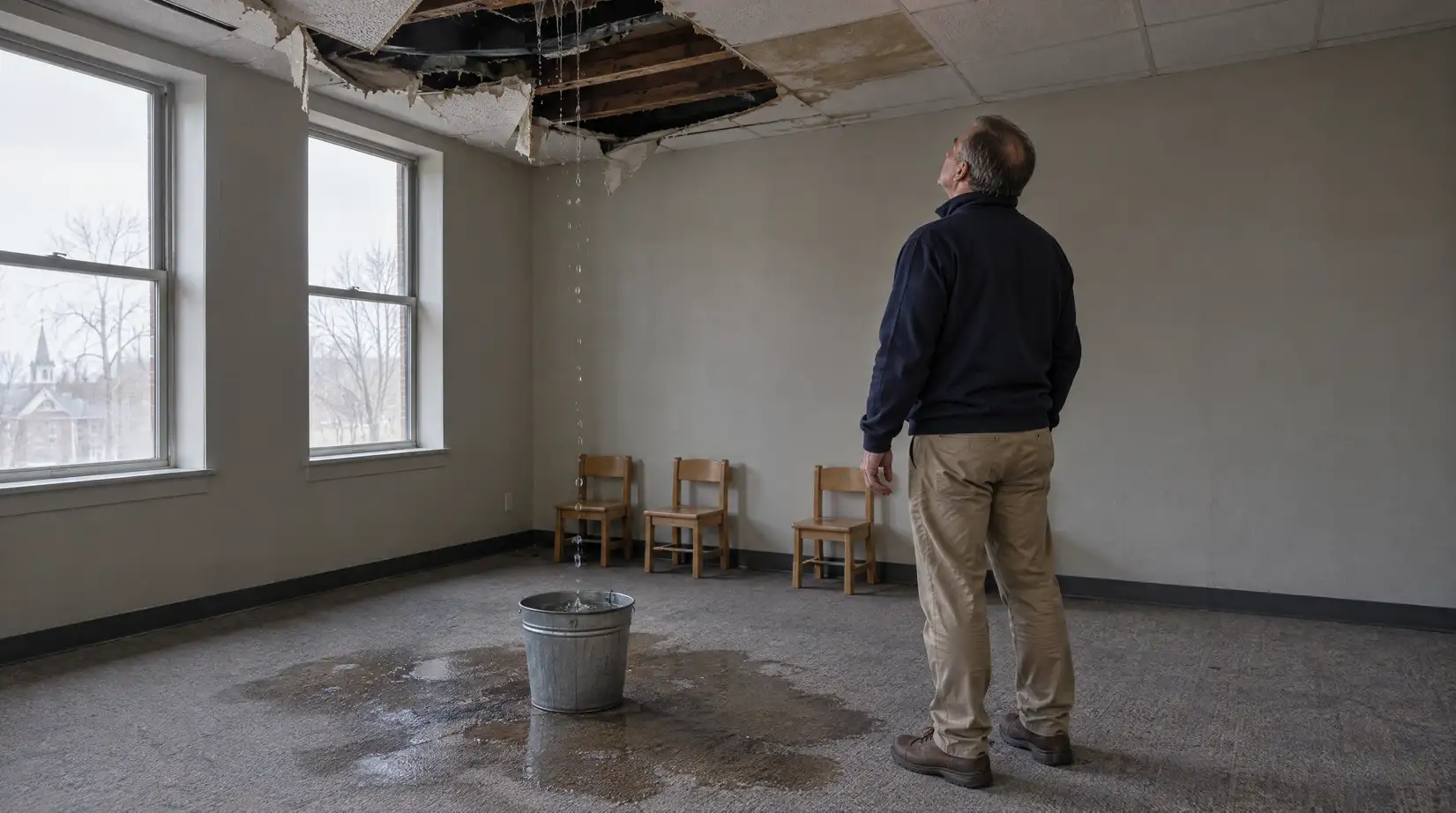
Moisture that stays in a structure supports mold growth, and porous materials such as ceiling tiles and carpet may have to be thrown away if they become moldy [4].
Mold in framing and cavities can lead to repeated repairs, lingering odors, and ongoing indoor air quality problems. Hidden contamination can also complicate resale, since disclosure obligations and inspection findings may affect buyers’ willingness to proceed.
Delays can also affect the claim itself. If a carrier argues that damage worsened because mitigation was slow, the policyholder may face disputes over what the policy covers. Prompt professional mitigation, thorough documentation, and a written record of every communication with the carrier can reduce that risk.
Frequently Asked Questions
What makes water Category 3 instead of a lower category?
Category 3 describes water that is grossly contaminated, such as sewage or floodwater that has picked up waste and debris. The IICRC S500 standard is the industry reference that defines this classification and the procedures that go with it [1].
How fast does cleanup need to start?
The EPA recommends drying water-damaged areas and items within 24-48 hours to prevent mold growth [4]. Waiting past that window raises the chance that moisture will turn a contamination problem into a mold problem as well.
Can carpet and drywall be saved after black water contact?
In most cases, no. The CDC instructs property owners to remove and discard drywall and insulation contaminated with sewage or floodwater, and to throw away porous items such as carpeting and carpet padding that cannot be cleaned or dried quickly [3]. The EPA’s guidance matches: wet materials that cannot be thoroughly cleaned and dried should be discarded, ideally within 48 hours [2].
Should a property owner clean up black water without professional help?
It is generally not advisable. Mold can grow on or fill the empty spaces of porous materials, and once established it may be difficult or impossible to remove completely [4]. A contractor trained in the ANSI/IICRC S500 standard can carry out the extraction, removal, and decontamination sequence federal guidance describes while documenting the work for the insurance claim [2].
How to Protect Your Property Value
Category 3 losses reward quick decisions and careful records. Photograph the damage before anything is moved, contact a contractor who follows the IICRC S500 standard, and keep written proof of every removal and drying step. Review any carrier estimate against the restoration contractor’s removal scope for porous materials, and ask the carrier to explain in writing why any items are left out.
Upload your claim documents to Justin, our free AI insurance policy analyzer, to review your carrier’s estimate against the scope of work and flag likely gaps in coverage for removal, decontamination, and drying.
This content is for informational purposes only and does not constitute legal or insurance advice. Coverage decisions depend on the specific terms, conditions, and exclusions of each policy and the laws of the applicable jurisdiction; policyholders and contractors should consult with a qualified professional for advice on their particular situation.
Sources
[1] ANSI/IICRC S500 Standard for Professional Water Damage Restoration — IICRC
[2] Dealing with Debris and Damaged Buildings — US EPA
[3] Guidelines for Cleaning Safely After a Disaster — CDC
[4] A Brief Guide to Mold, Moisture and Your Home — US EPA
[5] Flood Cleanup to Protect Indoor Air and Your Health — US EPA

Taylor Bezek

As the General Manager at JustClaims, Taylor Bezek brings over a decade of experience managing complex residential, commercial, and large-loss claims. A licensed Public Adjuster in TX (#2125659), FL (#W455048), CO (#769172), and 10 additional states, Taylor founded his own firm before joining JustClaims to scale a tech-forward solution for the insured. He is committed to combining industry expertise with AI to enhance speed, clarity, and outcomes for every policyholder. Taylor's mission is to modernize the public adjusting profession and ensure owners get exactly what they are entitled to.